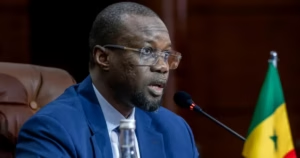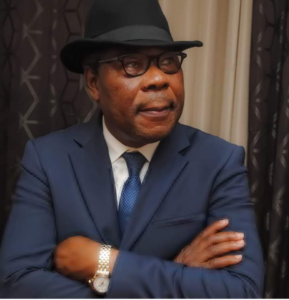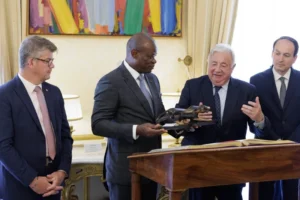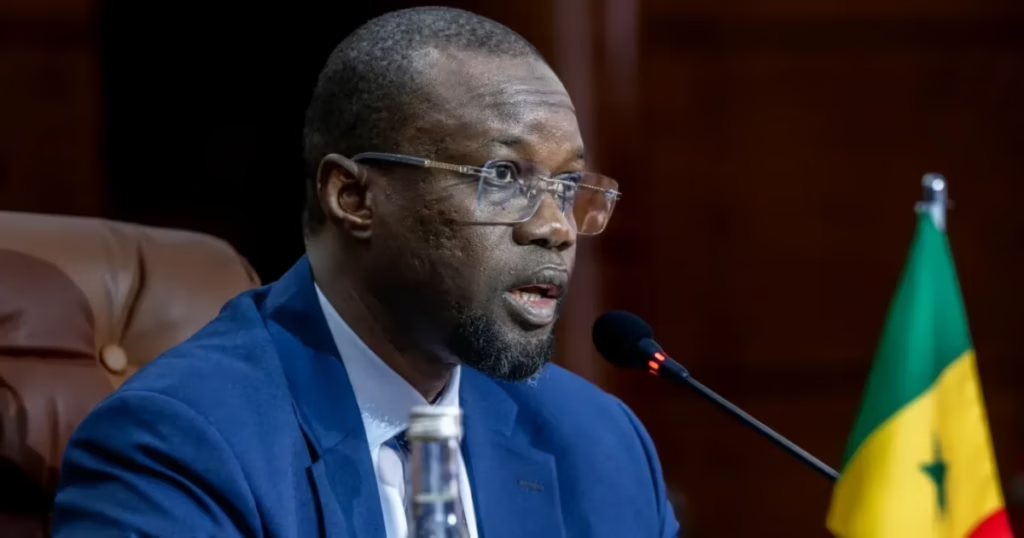
The resignation of several high-profile members from Pastef, including former allies of Ousmane Sonko, has sent shockwaves through Senegal’s political landscape. What began as isolated departures has rapidly escalated into a mass exodus of cadres, directors, and young activists, reshaping the party’s future.
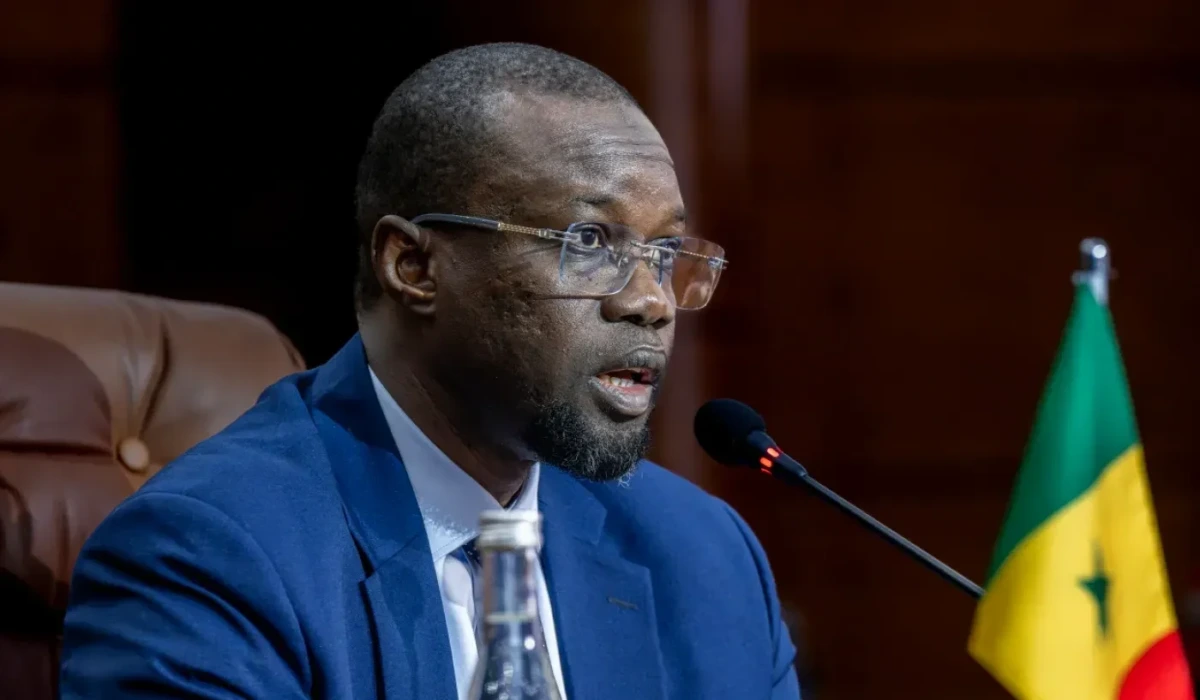
From united front to deep divide: the unraveling alliance
Once seen as the backbone of Senegal’s political transition after the 2024 elections, the partnership between President Bassirou Diomaye Faye and Ousmane Sonko—leader of Pastef—has reached a breaking point. Their collaboration, celebrated as a symbol of democratic renewal, has crumbled following Sonko’s removal from the Prime Minister’s office in May 2026.
While Sonko transitioned to the role of National Assembly President, retaining control of the party, Faye moved swiftly to consolidate power within the state apparatus. The growing rift became undeniable when Minister Moussa Bala Fofana resigned in early June, despite being reappointed for a third term. Sonko had publicly criticized ministers for failing to align with party directives, but Fofana denied acting on presidential orders, instead expressing respect for his former mentor.
A constitutional shift that ignited the crisis
On July 3, President Faye took a decisive step by announcing the formation of a new presidential party aimed at unifying supporters. This move confirmed the irreparable split between the presidency and Pastef, prompting the coalition ‘Diomaye Président’ to mobilize for new memberships.
The wave of resignations—spanning historical figures, young leaders, and public agency directors—reflects the deepening divide. As the political landscape in Senegal evolves, the future of Pastef hangs in the balance, with its traditional base questioning the party’s direction under mounting internal pressures.