photography and local flours in Mali and Cameroon
In Mali, 6.4 million people rely on humanitarian aid and protection, with over 400,000 displaced, mostly women and children. Another 1.5 million face severe food shortages, and 1.5 million children under five suffer from acute malnutrition. Behind these statistics stand real lives—families, aid workers, and communities grappling with an often overlooked crisis.
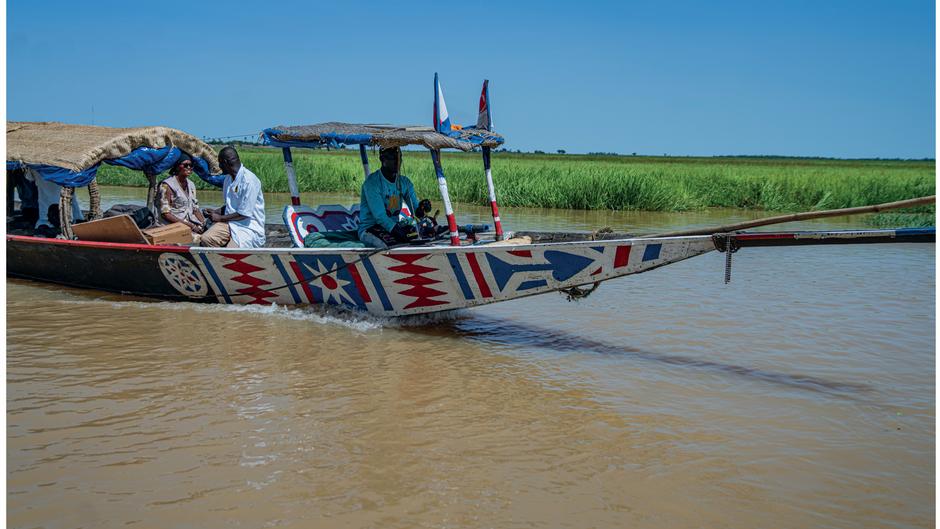
To shine a spotlight on this humanitarian emergency, seven aid organizations—including Action contre la Faim—collaborated to showcase the work of Malian photographer and researcher Tiécoura N’Daou. His exhibition, “Mali: Personal Gazes on the Humanitarian Crisis”, recently concluded in Berlin. The show reflects the raw realities of displacement, hunger, and resilience through N’Daou’s lens.
N’Daou, who balances photography with teaching and research, offers a deeply personal perspective on Mali’s struggles. His images capture the human toll of conflict and climate change, making the invisible visible for global audiences.
Yaoundé’s flour-forward baking revolution
Meanwhile, in Yaoundé, the scent of freshly baked bread fills the air—but this time, it carries a vision for sustainable change. The city recently hosted the Best Artisan Baker Competition, organized by the Service d’Appui aux Initiatives Locales de Développement (SAILD) and the Association Citoyenne de Défense des Intérêts Collectifs (ACDIC).
The event had a clear mission: to promote the use of local flours—like cassava, corn, and sorghum—in traditional baking. By highlighting these ingredients, the competition encourages innovation while supporting local farmers and reducing reliance on imported wheat.
For bakers in Yaoundé, the challenge was to create high-quality bread using locally sourced alternatives. The result? A showcase of creativity, flavor, and community-driven solutions to food security challenges. Such initiatives demonstrate how local ingenuity can transform everyday traditions into tools for economic and nutritional resilience.