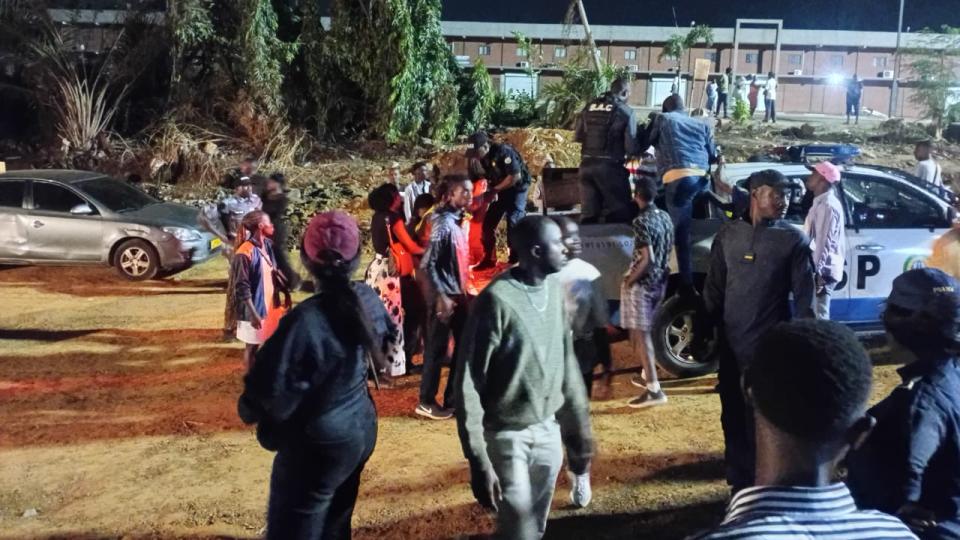
A sweeping security operation in the early hours of June 28, 2026, in Owendo has primarily targeted bars, maquis, and small shops—the backbone of the informal night economy in this working-class suburb of greater Libreville. For hundreds of vulnerable households, these establishments represent a crucial source of income.
Behind the official need for public safety lies a silent economic toll: temporary closures, lost revenue, and the arrest of informal workers.
When will the night sector get proper regulation?
With youth unemployment still high and the informal economy absorbing a large share of the active population, a purely repressive approach risks further impoverishing actors who, for the most part, have no safety net.
Securing without impoverishing: the challenge Gabon’s authorities can no longer avoid
The real question is not choosing between security and the economy, but thinking about them together.
This requires regulated oversight of the night sector, dialogue with those involved, and support mechanisms—fiscal, administrative, social—to bring these activities out of the gray zone where they thrive due to a lack of alternatives.