only 25% of government commitments from april to december 2025 turned into action in DRC
- Economy
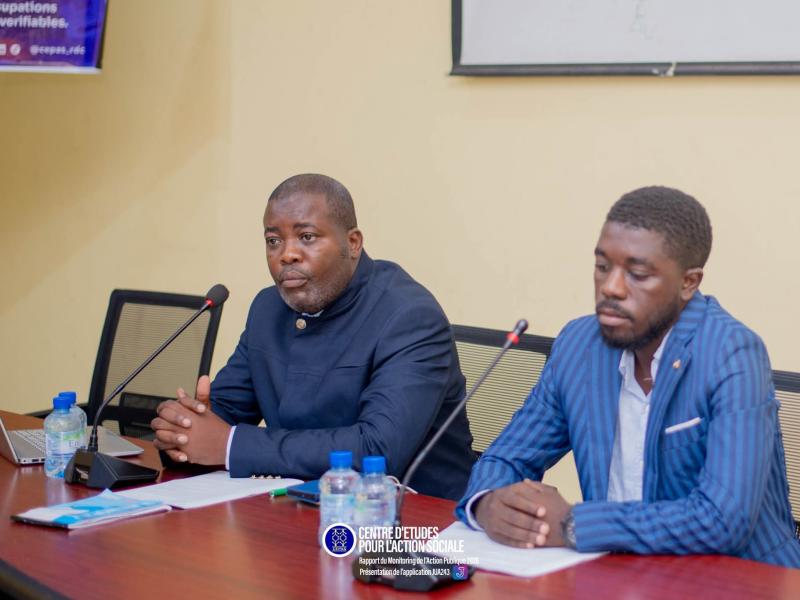
A monitoring report on public action in the Democratic Republic of Congo (DRC) reveals that only 25% of government commitments made during council of ministers meetings between April and December 2025 were fully implemented.
While the broad execution index reached 47 out of 100, the report highlights both a clear political will and a significant gap between policy decisions and actual implementation capacity.
Analysts reviewed about 70 major decisions over the nine-month period, according to Christian Moleka, a member of the civil society monitoring team. Of these, 25% were fully executed, 45% partially implemented, and 30% could not be tracked due to missing documentation.
The decisions spanned key sectors including security and institutional stability, economic governance, natural resource management, institutional reforms, strategic diplomacy, and social policies.
The study points to a persistent challenge in translating policy decisions into tangible, sustainable outcomes.
“The analysis shows that the most transformative decisions—especially those tied to institutional, economic, or social reforms—tend to face the greatest execution challenges, while security measures or short-term policies see faster progress,” Moleka explained.
A new digital platform, Jua 243, was introduced to enable real-time tracking of government actions. Father Alain Nzadi, Director of Cepas, emphasized the study’s aim is not to judge or criticize but to foster continuous governance improvement.
“This effort seeks to provide decision-makers, partners, and citizens with insights to better understand policy implementation dynamics,” he said.
Nzadi added: “These steps support a culture of constructive accountability, recognizing that public decisions gain real value when they can be monitored, evaluated, and judged by their concrete results.”