The International Monetary Fund (IMF) has delivered a stark warning about the economic fallout from Niger’s border closures, with a staggering 117 billion FCFA in public revenue lost. As trade routes grind to a halt and essential goods become scarce, the financial strain on the nation’s coffers exposes the fragility of political posturing in the Sahel region.
Financial hemorrhage: 117 billion FCFA vanish amid geopolitical tensions
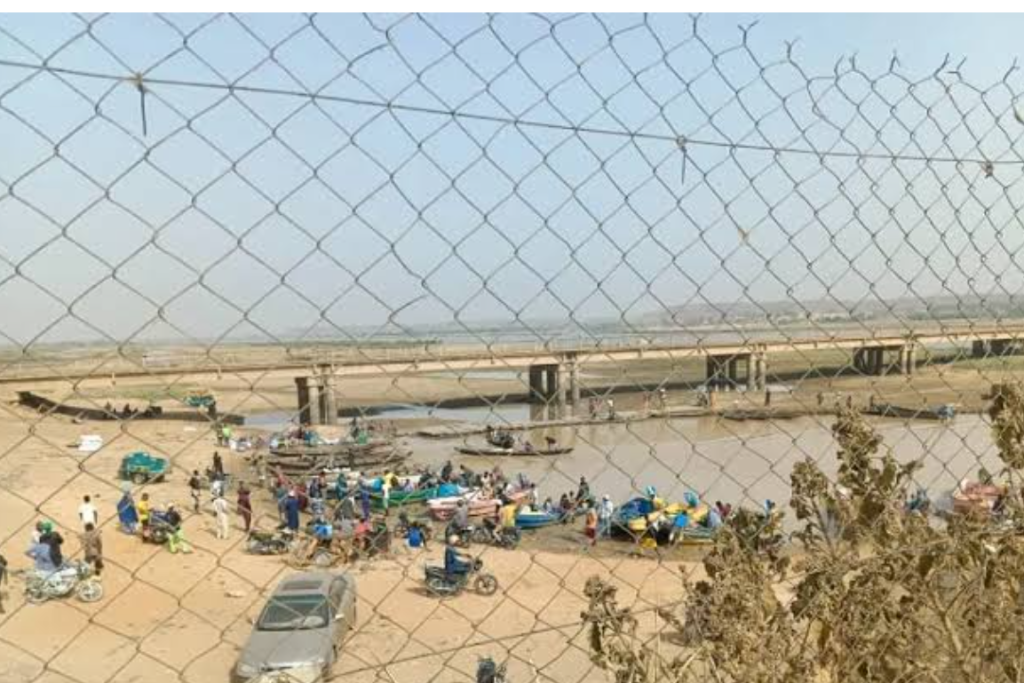
The IMF’s assessment leaves no room for doubt: the paralysis of cross-border trade has created a budgetary black hole of 117 billion FCFA. This staggering figure underscores the severity of the economic crisis gripping West Africa following recent political upheavals. Customs and tax revenues, the lifeblood of regional states, have plummeted. By severing trade links that connect coastal ports to landlocked Sahelian markets, military regimes have sought to wield geopolitical leverage over neighbors and regional institutions. Yet the hard numbers reveal a different truth: public coffers are draining at an alarming rate. This colossal loss of financial infrastructure directly undermines governments’ ability to fund essential public services. Education, healthcare, and critical infrastructure projects now hang in the balance as budgets are slashed to unsustainable levels. In cutting off the flow of goods, authorities have undermined the very foundation of the financial sovereignty they claim to uphold.
From kitchen tables to local markets: inflation cripples daily life
Behind the cold IMF statistics lies a human crisis unfolding in real time. The impact of border closures is felt every morning in local markets, where the cost of living has become a daily struggle. The halt in goods transit has triggered severe shortages of staple items. Rice, cooking oil, sugar, and even cement have seen prices skyrocket due to supply chain disruptions and blocked truck routes. The surge in costs is compounded by soaring transport expenses as goods are rerouted, pushing small traders to the brink of collapse and triggering a domino effect of bankruptcies in the informal economy. This runaway inflation spares no one, but it strikes hardest at the most vulnerable households. By disrupting cross-border trade networks, regional governments have shattered the microeconomic dynamics that sustained entire cities.
The security narrative as a smokescreen: a strategy of distraction
As economic indicators worsen, the communication strategy of the Alliance of Sahel States (AES) remains rigidly on message. Every hardship is routinely blamed on external security threats or infrastructural failures, with strategic closures of bridges and roads justified as territorial defense measures. Yet the security argument and staged infrastructure blockades increasingly appear as convenient excuses. This rhetoric serves to divert attention from the glaring failures in economic management and the transitional authorities’ inability to stabilize public finances. By framing border closures as acts of patriotic resistance, military leaders obscure their own economic misjudgments. The rupture of ties with traditional partners and the militarization of international trade choices have not delivered the promised prosperity. Instead, they have fostered an anxiety-ridden business environment, stifled private investment, and forced states to limp along on precarious financial crutches.
Political deadlock demands a return to pragmatism
The ideological blind pursuit has reached its limits in the face of hard financial realities. A deficit of 117 billion FCFA cannot be resolved with martial rhetoric or repeated accusations against the international community. Economics follows its own unyielding logic: the movement of goods and people is the indispensable engine of Sahelian growth. By transforming borders into political trenches, military regimes have weakened the region just where it needed strength. To avert a catastrophic social collapse, the urgent reopening of transit routes, pragmatic dialogue with regional economic bodies, and the removal of trade barriers must once again take center stage. The economic salvation of the people depends on it—no longer can they bear the cost of their leaders’ political maneuvers.