Niger vaccination against meningitis and measles outbreaks: current situation
Miriam Alía, vaccination and outbreak response coordinator at Médecins Sans Frontières, discusses the meningitis C and measles outbreaks that have affected Niger since early 2018.
Why did the meningitis C and measles outbreaks occur?
Niger faced multiple outbreaks of meningitis C and measles in 2018—both deadly and highly contagious diseases. While vaccination should have prevented these epidemics, each case presented unique challenges.
Meningitis C outbreaks remain a persistent threat due to vaccine shortages.
No affordable and effective vaccine covers all meningitis serogroups. Global production constraints—driven by pharmaceutical companies’ limited interest in these markets—force reactive vaccination campaigns only after outbreaks are declared. These delays hinder timely and effective immunization drives.
Meanwhile, despite the measles vaccine being part of routine immunization programs since 1974, vaccination coverage remains insufficient to halt transmission. The country struggles to achieve the 95% coverage needed to prevent outbreaks.
Has the meningitis C situation improved in the region?
The meningitis belt in Africa experienced a relatively calm year, but vaccine shortages persist. The International Coordinating Group on Vaccine Provision, which manages low-production vaccines for equitable distribution, aimed to stockpile five million doses of the meningitis C vaccine in 2018. This target was not met, forcing health authorities to vaccinate only after epidemic thresholds were crossed rather than implementing preventive measures at early warning signs.
What causes the meningitis vaccine shortage?
Meningitis manifests in multiple serogroups (A, B, C, W135, X), and no single vaccine provides universal protection. The most widely available vaccine, a tetravalent conjugate, covers the four most common serogroups but at a high cost. The Serum Institute of India is developing a pentavalent conjugate vaccine (A, C, Y, W-135, X) expected by 2020, but until then, affordable options remain limited. Other manufacturers hesitate to invest in new vaccines due to uncertain demand, perpetuating the shortage.
How did Niger respond to the meningitis C outbreak?
In partnership with the Ministry of Health, over 30,000 people in the Tahoua region were vaccinated against meningitis C. A concerning discovery was the high incidence of serogroup X cases, for which no vaccine currently exists—highlighting a critical gap in future prevention strategies.
Are there alternative prevention strategies for meningitis C?
A 2017 trial in Niger tested ciprofloxacin, an antibiotic administered to entire rural communities. A 2018 study in PLOS Medicine found it significantly reduced transmission. Further research is underway to assess its effectiveness in urban settings, potentially offering an additional tool for localized outbreaks.
95%
To prevent measles outbreaks, at least 95% of the population must be vaccinated—a target difficult to achieve in Niger due to logistical and access challenges.
Why does the routine measles vaccination schedule fail to stop outbreaks?
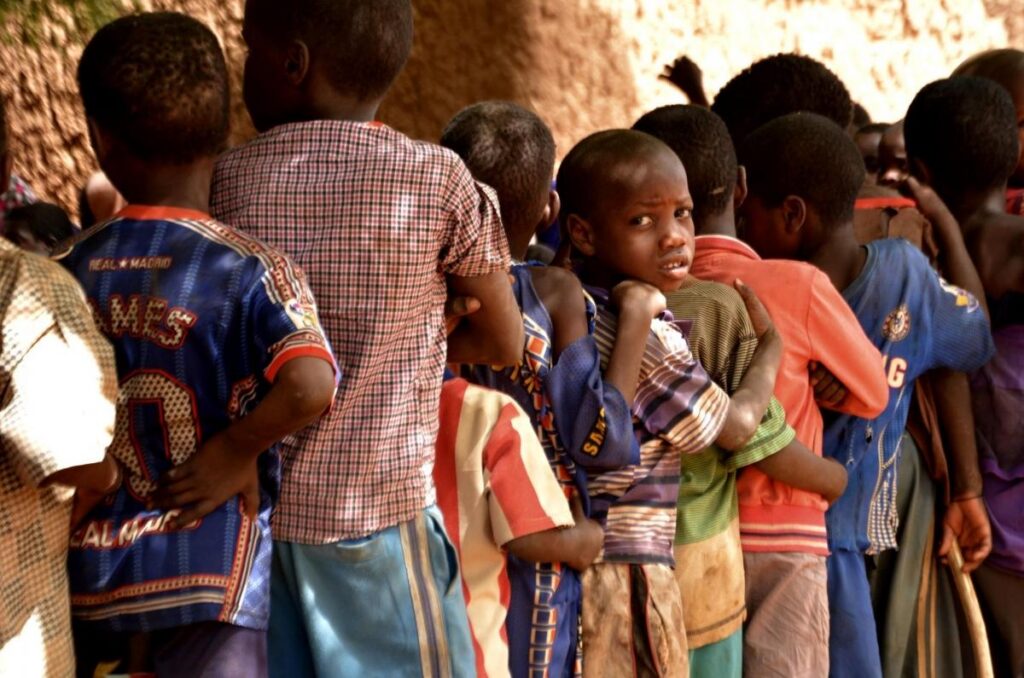
Niger’s national protocol mandates measles vaccination up to 23 months, but GAVI-funded vaccines only cover children under 12 months. The 15-month booster dose is excluded, and older children without prior vaccination are missed. Additionally, nomadic populations and conflict-affected regions face limited access to health centers. Achieving 95% coverage is nearly impossible under these conditions.
How can vaccination coverage be improved?
Extending the vaccination schedule to age 5 and updating immunization records during every health contact could boost coverage. Multi-antigen campaigns, such as the ongoing measles response in Arlit (Agadez), also maximize protection by combining vaccines—including the pentavalent and pneumococcal vaccines—for broader disease prevention.
Where possible, tetanus vaccines are also administered to pregnant women or women of childbearing age. Since full vaccination requires five doses, many women in Niger miss out. Integrating tetanus shots into outbreak response ensures both maternal and neonatal protection. Every health encounter should be leveraged to vaccinate against preventable diseases.
Since early 2018, MSF and Niger’s Ministry of Health have vaccinated 179,460 people: 145,843 children aged 6 months to 15 years against measles in Tahoua and Agadez regions, and 33,620 people aged 2 to 29 against meningitis C in Tahoua. A current campaign in Arlit (Agadez) targets over 50,000 children under 5, with infants under one also receiving the pentavalent and pneumococcal vaccines.