In the wake of the 2003 Casablanca bombings, Moroccan authorities took a decisive step beyond mere security measures. They launched a sweeping religious overhaul designed to strengthen the country’s stability by addressing radicalization risks head-on. Two decades later, this innovative approach has become a benchmark for countering violent extremism in the region.
The Commander of the Faithful: Morocco’s unique religious authority
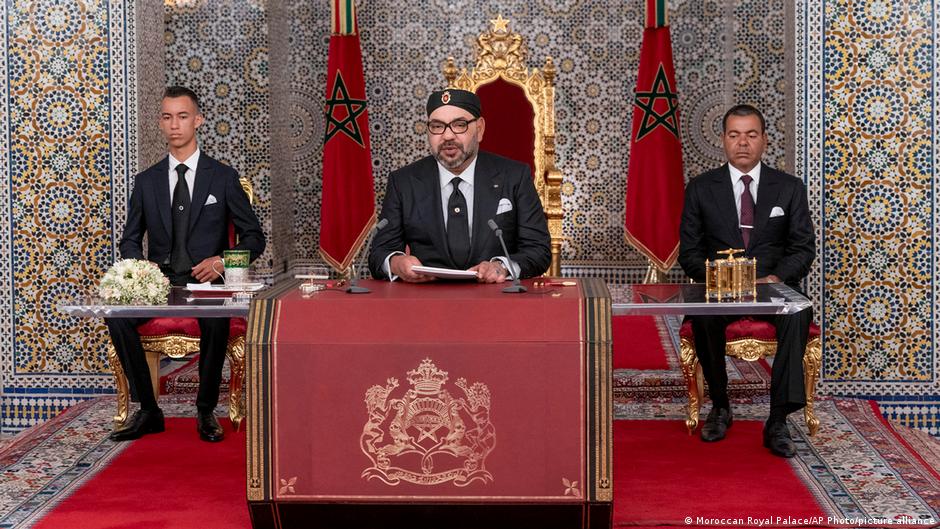
At the heart of this strategy lies the Commandery of the Faithful (Imarat al-Mouminine), an institution enshrined in the Moroccan Constitution and directly overseen by King Mohammed VI. This framework grants the monarch both religious legitimacy and the authority to guide doctrinal matters, promoting a moderate interpretation of Islam.
According to Alexandre Negrus, President of the Institute of Applied Geopolitical Studies (IEGA) and co-author of the latest study, this model stands apart from other attempts to regulate religious discourse. He notes, “What sets Morocco apart is its ability to regulate religious life from within the religious sphere itself. The King is not seen as a political overseer but as a genuine religious authority.”
The system relies on three foundational pillars:
- Malikism: A longstanding legal tradition across the Maghreb and Sahel, emphasizing social cohesion and historical continuity.
- Acharism: A theological approach that harmonizes faith with reason, countering rigid interpretations.
- Sufism: A spiritual movement fostering communal bonds and addressing grievances that extremist groups often exploit.
Regional influence: a blueprint for Sahel nations?
Morocco’s approach has drawn international recognition, particularly from countries in the Sahel grappling with jihadist threats. Experts like Driss Aït Youssef, a security analyst, argue that elements of this model could serve as valuable lessons for neighboring nations. However, he cautions that replication faces significant hurdles.
Aït Youssef highlights that Morocco’s stability is deeply tied to the King’s dual role as both monarch and Commander of the Faithful—a legitimacy rooted in centuries of tradition. “This unique authority structure cannot simply be transplanted elsewhere,” he explains. “Its effectiveness depends on Morocco’s specific historical and political context.”
The study also underscores Morocco’s proactive measures in deradicalization and prevention. The Moussalaha program, for instance, focuses on the religious and social reintegration of individuals convicted of terrorism-related offenses. Meanwhile, the Mohammed VI Institute trains hundreds of African imams annually, equipping them with tools to promote moderation across the continent.
Challenges: from digital radicalization to adaptability
Despite its successes, Morocco’s model is not without limitations. Negrus points out that while standardized sermons in official mosques prevent radicalization, they risk creating an institutionalized Islam that feels disconnected from everyday worshippers’ concerns.
The rapid spread of online extremist content poses another formidable challenge. “Radical narratives now thrive beyond traditional religious institutions,” Negrus warns. “This digital shift undermines the effectiveness of institutional controls.”
Additionally, the report notes the difficulty of exporting this model wholesale. Its foundations—particularly the Commandery of the Faithful and the monarchy’s historical legitimacy—are deeply entrenched in Morocco’s unique political landscape. For most Sahelian countries, replicating such a system would require profound institutional reforms with no guarantee of success.
The authors conclude that while Morocco’s experience cannot be directly replicated, it offers critical insights for societies battling radicalization and identity-based fractures. In an era of persistent security threats across the Sahel, its lessons in resilience and prevention remain invaluable.