Measles cases in Niger see an exponential surge
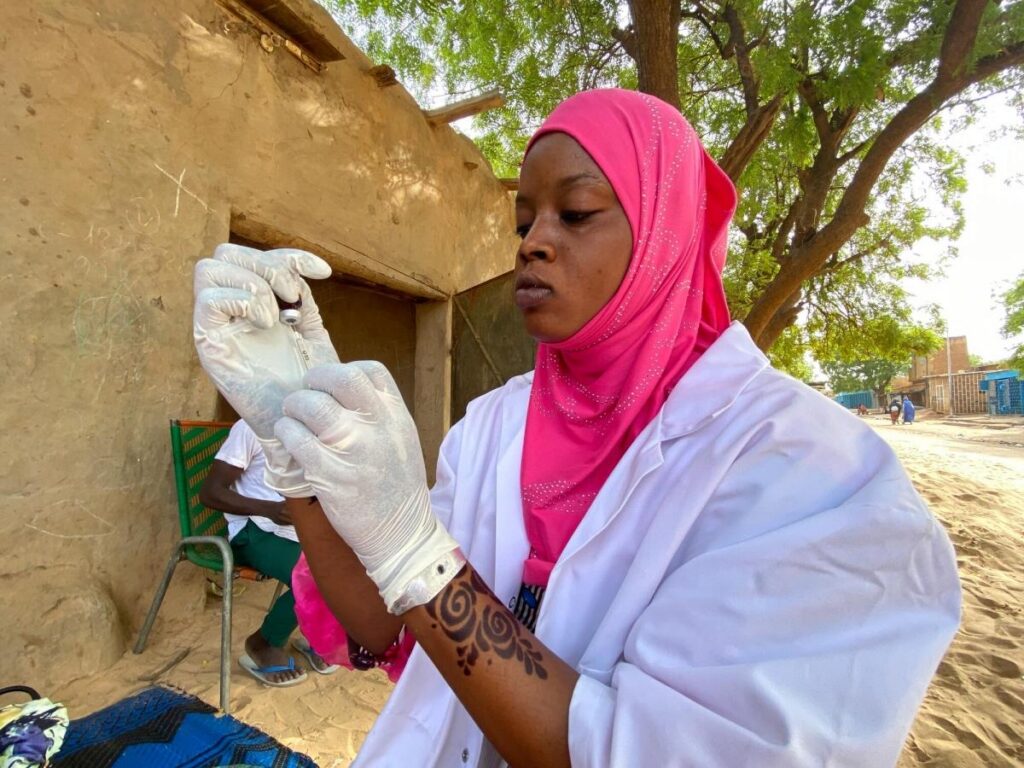
Dr. François Rubona, the medical coordinator for Médecins Sans Frontières in Niger, provides an overview of the current health crisis. Since February, MSF teams have deployed vaccination initiatives across several regions to combat an unusually early and aggressive rise in measles clusters.
The current state of the measles epidemic in Niger
This year has seen a dramatic spike in measles infections compared to the previous period. Statistics from the Ministry of Public Health in Niger reveal that during the first quarter of 2021, the nation recorded 3,213 confirmed cases—nearly triple the 1,081 cases reported during the same window in 2020. By April, the tally of suspected cases had climbed past 6,000. This outbreak has already claimed 15 lives, with 27 out of 73 health districts officially in an epidemic state. The regions of Agadez, Dosso, and Tahoua are currently the most severely impacted.
As the most contagious viral disease globally, measles remains a leading cause of child mortality. Effectively controlling it requires a 95% vaccination coverage rate, as advised by the World Health Organization (WHO). However, in many Nigerien health centers, coverage levels are struggling to reach 50%. In areas like Diffa, Tillabéry, and Tahoua, escalating insecurity and subsequent population displacements have restricted access to primary healthcare, contributing to these low rates. Furthermore, the ongoing COVID-19 pandemic has placed additional strain on routine and catch-up immunization efforts.
Obstacles hindering medical interventions
The arrival of COVID-19 in Niger in March 2020 sparked widespread fear of the unknown virus, leading to a noticeable drop in clinic attendance. Consequently, fewer parents brought their children in for standard immunizations.
The pandemic also impacted human resources, with medical staff falling ill or being forced into quarantine. Healthcare priorities shifted heavily toward the pandemic response, often at the expense of preventive care. Logistical hurdles, including border closures and transport restrictions, complicated the import of essential medical supplies. To address the shortage, MSF has successfully brought approximately 700,000 vaccine doses into the country to bolster emergency reserves and respond to the current spike.
Recent weeks have also highlighted a low turnout for vaccinations due to public confusion between the measles vaccine and the COVID-19 shot. In Niamey and the Tillabéry region, some communities have shown resistance to the campaign. In response, MSF has intensified community outreach and awareness programs. These efforts aim to educate families on the dangers of measles and the vital importance of vaccination in protecting children and halting the spread of the virus.
Future outlook and seasonal health risks
The health situation in Niger remains critical, reflecting the long-term consequences of declining routine immunization. This trend is also evident in the rise of meningitis, with over 1,100 cases reported. Without consistent routine or catch-up vaccination programs, the impact of this coverage gap could persist for years.
As the country approaches the seasonal peaks for malaria and malnutrition, health teams are on high alert. Last year’s malaria peak was exceptionally severe in both duration and intensity, only subsiding in January 2021.
Given the worrying forecasts for food security and malnutrition this year, increased vigilance is essential. This includes monitoring regions like Maradi and Zinder, which, despite being further from active conflict zones, often receive less attention from international donors while facing significant health risks.