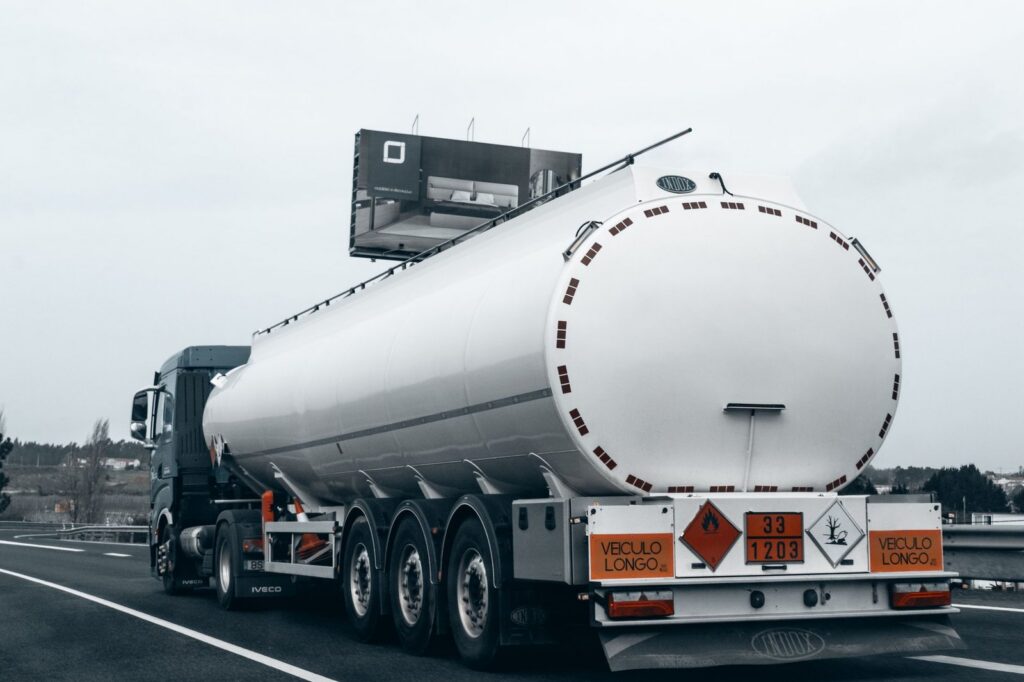
A historic convoy of 950 fuel tankers rolled into Bamako, delivering a critical lifeline to a Malian capital choked by severe fuel shortages. The massive procession, escorted by Malian Armed Forces (FAMa), arrives at a time when capital city gas stations face relentless queues and economic activity has ground to a near halt. The transitional government aims to showcase its ability to safeguard import corridors despite relentless pressure from armed groups controlling key routes to coastal ports.
Fuel scarcity paralyses Mali’s economy
Since late September, Mali has endured one of the most severe supply disruptions in recent memory. Repeated attacks on fuel convoys—particularly along the Kayes-Bamako corridor and the Ivorian border road—have crippled delivery networks. Gas station lines snake for kilometers across the capital, where black-market fuel prices have surged to double the official rate. Schools, public transit, light industries, and small businesses bear the brunt of this scarcity.
Landlocked Mali relies entirely on ports in Dakar, Abidjan, Lomé, and Conakry for petroleum imports. This logistical challenge, already costly under normal conditions, becomes catastrophic when corridors fall under attack. Groups linked to Jama’at Nusrat al-Islam wal-Muslimin (JNIM) have claimed responsibility for multiple assaults on tanker convoys in recent weeks, elevating energy supply to a matter of national security.
Military escalation secures fuel delivery
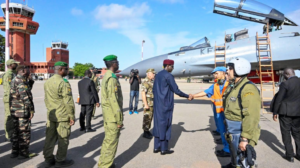
To escort the 950-tanker convoy to Bamako, Malian authorities deployed an unprecedented security operation. The FAMa, supported by aerial assets, secured the route from the country’s southern border. This approach—now standard for fuel shipments—represents a dramatic shift: the state now directly protects supply chains, a role traditionally handled by private transporters and their own security details.
This militarised strategy carries significant costs. It diverts military resources, extends delivery timelines, and inflates pump prices. It also underscores the transitional government’s struggle to restore free movement nationwide, despite ongoing counterinsurgency operations in central and northern regions. Enhanced military cooperation with Moscow through the Africa Corps has yet to deliver sustainable security for major trade arteries.
Regional ripple effects of Mali’s fuel crisis
Beyond immediate relief, Mali’s fuel shortage exposes structural vulnerabilities across Sahelian economies. Burkina Faso and Niger, partners in the Alliance of Sahel States (AES), face similar threats. Prolonged disruptions along West African corridors risk destabilising the entire region, driving up food prices, straining diesel-dependent electricity grids, and undermining mining operations—the financial backbone of these nations.
The convoy’s arrival should temporarily ease domestic shortages and replenish gas station inventories. Yet this reprieve addresses none of the underlying challenges: persistent insecurity on major routes, total dependence on foreign ports, and insufficient strategic reserves. Authorities cite plans to build buffer stocks and accelerate local refining projects, but such initiatives lie years in the future. Until then, every fuel convoy becomes both an economic milestone and a political statement.