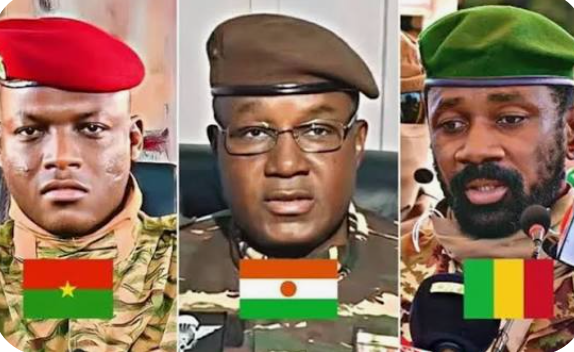
The Alliance of Sahel States (AES), formed to unite Mali, Burkina Faso, and Niger against external threats, is facing an unprecedented crisis. While official statements emphasize unity, a leaked intelligence report from Burkina Faso has exposed deep concerns about Russian influence infiltrating Mali’s government at the highest levels.
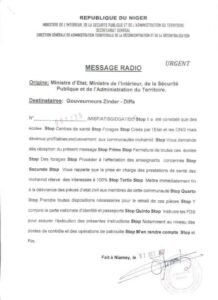
This confidential document reveals a troubling network of individuals—ranging from presidential advisors to military leaders and media figures—who appear to be operating under Moscow’s shadow. Names like Yamoussa Camara, Modibo Maïga, Moussa Diakité, Bakari Koré, Harouna Haidara, Sékou Bolly, and Issa Cissé are cited as key players allegedly swayed by Russian interests.
when sovereignty becomes a mirage
The irony of the AES’s mission—rejecting Western dominance—has given way to a new dependency. Critics argue that Mali’s shift toward Russian influence may be trading one form of external control for another. Neighbors like Niger and Burkina Faso now question whether Bamako’s military and political choices still align with regional priorities—or if they serve Moscow’s broader geopolitical agenda.
This growing skepticism is straining trust within the alliance. The fear? That Moscow’s hidden hand could destabilize the entire Sahel region, turning what was meant to be a united front into a fractured bloc vulnerable to outside manipulation.
can the sahel alliance survive its own shadow?
The leaked report has forced Burkina Faso to reconsider its alliance with Mali, raising doubts about the AES’s long-term viability. If one member’s decisions are no longer its own, how can the group maintain cohesion? The bigger question looms: Is the alliance built on shared strength—or just another casualty of foreign interference?
For many analysts, the survival of the AES depends on one critical factor: whether Mali can reclaim its sovereignty before Russian influence reshapes its future—and the Sahel’s.