Bamako – “I felt ashamed discussing contraception, as it remains a sensitive topic in many local communities. I feared judgment and gossip from my neighbors,” shares Kadidia, a 19-year-old student residing in Bamako.
Like Kadidia, countless young women across Mali encounter significant social, cultural, and systemic hurdles when trying to access vital sexual and reproductive health services. In 2024, Mali documented 583 maternal fatalities, with 89 occurring among adolescents aged 15 to 19. The dangers associated with early and unplanned pregnancies persist at high levels. While these figures indicate some progress, they also highlight the extensive work still required: in 2024, Mali had approximately 4.8 million women of reproductive age, and 559,493 young women and adolescents utilized modern contraceptive methods, an increase from 480,682 in 2023.
Providing young women with appropriate and readily available reproductive health services is crucial for safeguarding their well-being and future prospects. By empowering them to make informed decisions about their bodies and health, these services play a key role in decreasing unintended pregnancies through contraception, preventing sexually transmitted infections, and boosting their overall physical and mental health. In a society where deeply ingrained taboos and significant risks prevail, upholding these rights is an urgent public health imperative.
Confronted by this critical situation, the World Health Organization (WHO), supported by a major donor, is partnering with the Malian government to implement a comprehensive program. This initiative aims to enhance rights and access to sexual and reproductive healthcare. WHO’s assistance encompasses strengthening the legal framework, upgrading the skills of health providers, supplying essential medical equipment, establishing youth-friendly clinics, and generating accurate data to guide public policy decisions.
“This program is a core component of our strategic plan, designed to secure healthcare rights, especially for young people and adolescents,” states Dr. N’Tji Keita, Head of the Maternal and Child Health Department at the National Office for Reproductive Health. “We have successfully trained magistrates on the latest WHO guidelines, launched a national health observatory, and fortified the maternal mortality surveillance system.”
WHO’s involvement extends beyond mere technical assistance; it acts as a crucial catalyst in coordinating and overseeing these vital activities. Through its unwavering support, Mali now possesses its inaugural national bulletin detailing sexual and reproductive health indicators, alongside the 2022 National Health Accounts. These instruments are instrumental for more precise performance analysis and for informing strategic decisions.
“We have facilitated the establishment of a Mother-Child-Adolescent clinic in Sikasso, which will provide integrated family planning services and support for gender-based violence,” explains Dr. Sylla Ousmane, who leads the Sexual and Reproductive Health Program at the WHO Mali office. “Furthermore, a mobile team is prepared to deploy in the humanitarian zone of Macina. These initiatives are designed to bring essential services closer to the most vulnerable populations.”
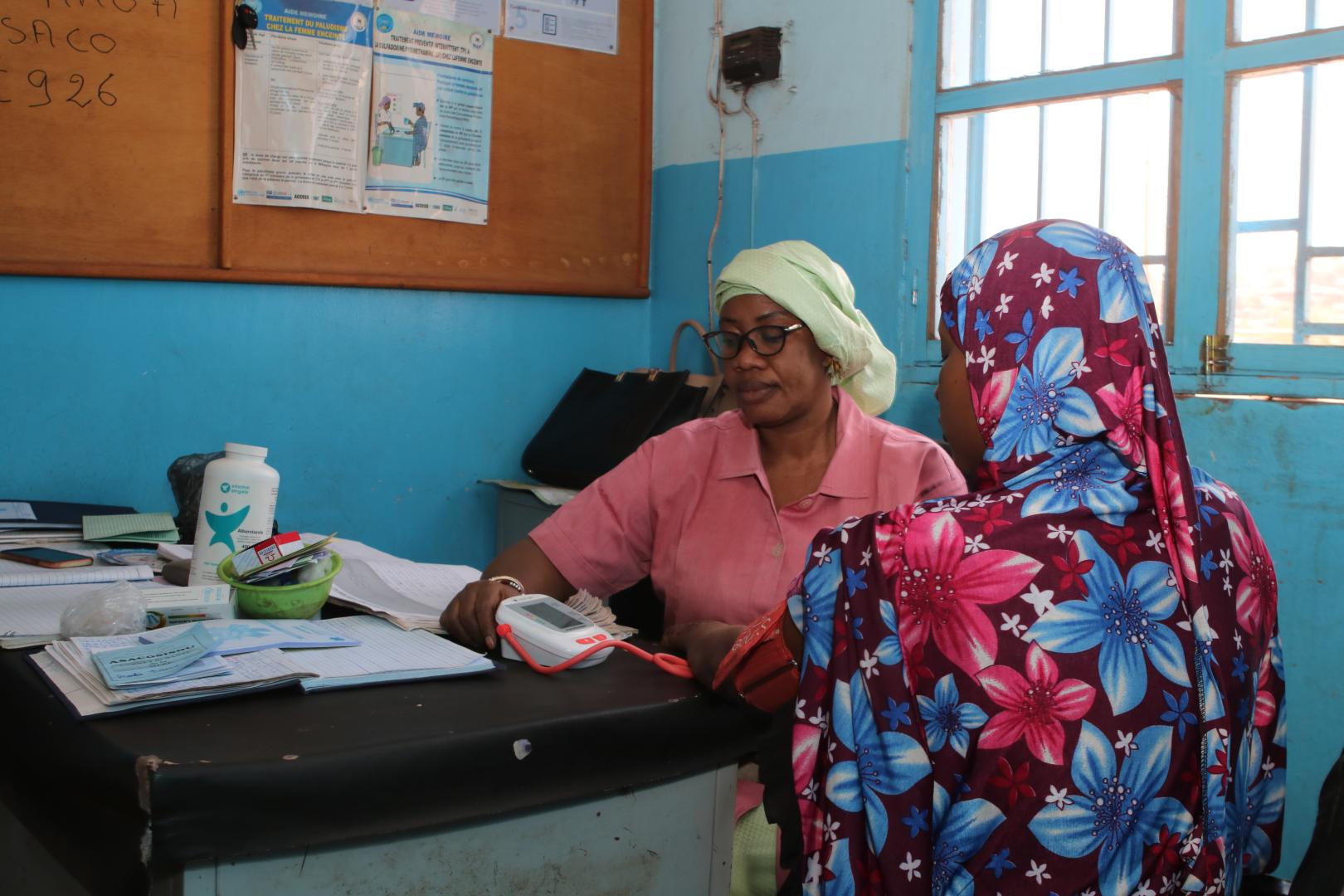
Trained and dedicated midwives stand at the core of the system transforming the health outcomes for young women. Their ongoing professional development has substantially enhanced the quality of care provided to this demographic. Aïssata, a midwife at the Kebila community health center, attests, “I underwent several training courses covering client-centered antenatal care, family planning, management of STIs/HIV/AIDS, and medical prescription. This has significantly improved my service delivery and enabled me to welcome young women without judgment,” she proudly states.
Assetou, a mentor midwife in Yanfolila, situated approximately 160 kilometers south of Bamako, corroborates this impact: “These training sessions have profoundly altered my approach to work, particularly in areas of active listening, availability, and respecting consent.” From 2019 to 2025, the number of young people and adolescents receiving sexual and reproductive health services at her center has more than doubled, surging from 2,330 to 5,121.
These advancements are evident not only in statistical improvements but also in evolving attitudes and behaviors. Through awareness campaigns in schools, radio programs on sexuality, and training healthcare providers in empathetic listening and respecting consent, young women are now more confident in seeking assistance at health centers. Open dialogue is flourishing, taboos are diminishing, and trust is gradually building.
For Kadidia, this transformation is deeply personal and real. Recalling her initial visit to the health center, she states, “The woman who attended to me made me feel at ease; she listened without judgment and offered excellent advice. I can truly say this service enhances our well-being. I want to tell other young girls: don’t be afraid, seek out the advice; they are there to help us,” she concludes with conviction.