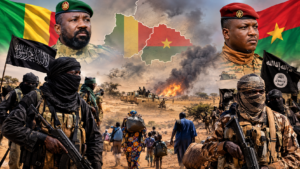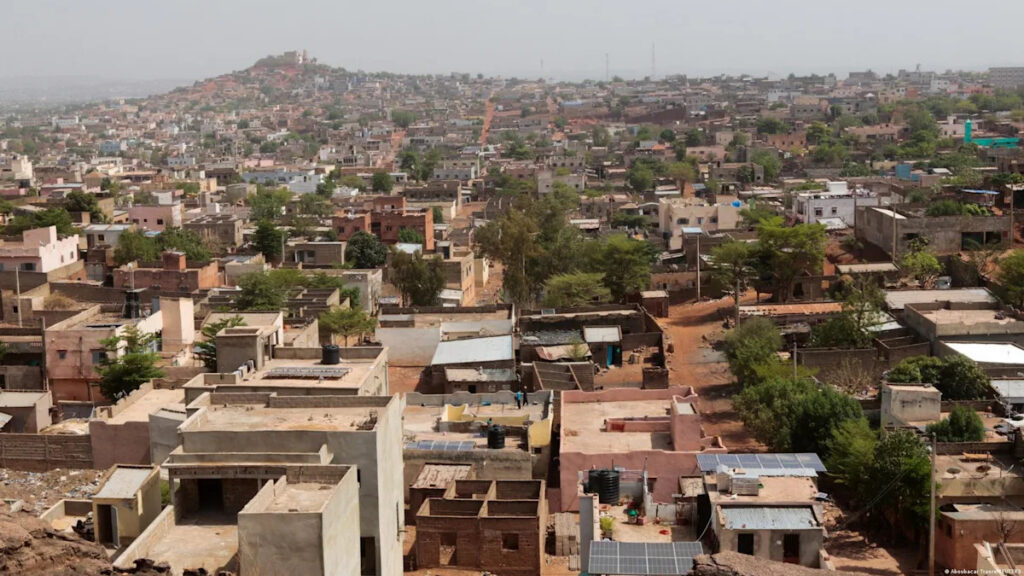
Travelers in Mali are facing severe disruptions as key highways leading to the capital city of Bamako remain under blockade. The restrictions, imposed by militant groups following recent attacks across the country, have left commuters and commercial vehicles stranded, with many routes becoming increasingly hazardous for passage.
Impact on daily travel and commerce
The blockade has forced commercial transport companies to suspend operations to and from Bamako, as several vehicles have been set ablaze by militants over the past week. While some transport services continue to operate within safer zones, the overall reliability of road travel has plummeted, leaving passengers with limited options.
Extended delays and route cancellations
A traveler named Mody, who requested anonymity for safety reasons, shared his experience traveling from Nouakchott to Bamako. His journey, which normally takes four days, was extended due to security concerns. After waiting for a military escort that never materialized, he and fellow passengers were forced to navigate the route without protection, only to learn that earlier buses had been turned back by militants.
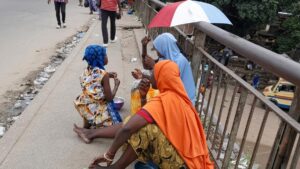
The situation has left many passengers stranded for days. Seyba, a 60-year-old from Ségou, explained that he has been waiting nearly a week for a ticket to return home. Despite visiting multiple transport companies, no buses are available due to the ongoing blockade. His story reflects the broader challenges faced by residents and travelers alike, as they struggle to find safe passage.
Transport companies bear the brunt
Transport operators have reported significant losses, with at least two buses set on fire over the weekend. One company confirmed that ten of its vehicles remain stranded in neighboring countries, while another has temporarily halted all services to and from Bamako until conditions improve. The decision underscores the severity of the situation and the growing reluctance among drivers to risk the journey.
The blockade, enforced by the Group for the Support of Islam and Muslims (JNIM), has plunged Mali into a transport crisis, with ripple effects on trade, tourism, and daily commutes. As travelers adapt to the new reality, the future of road travel to the capital remains uncertain.