Lake Chad: dozens of nigerian fishermen missing after chadian military strikes
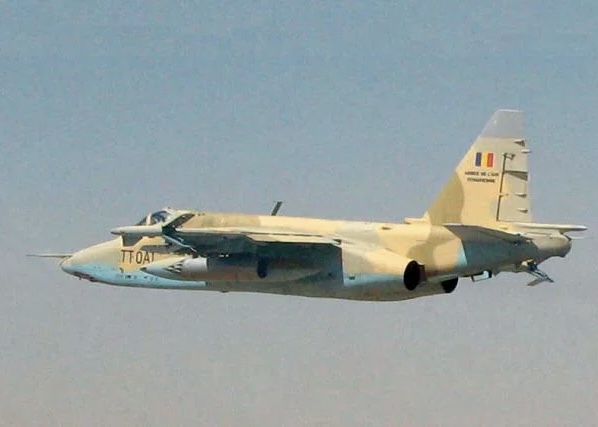
Since Friday, the Chadian armed forces have been conducting aerial bombardments on several islands in Lake Chad situated within Nigerian territory, identified as strongholds of Boko Haram. These operations follow a recent armed assault by the militant group on Chadian military positions.
The strikes targeted remote islands, including Shuwa, where the borders of Nigeria, Niger, and Chad converge. This area, known for its rich fishing grounds, has become a hotspot for both Boko Haram and the Islamic State’s West Africa Province (ISWAP).
humanitarian toll and local accounts
Witnesses, including members of an anti-jihadist vigilante group, report that dozens of Nigerian fishermen are feared dead after the strikes. The exact death toll remains uncertain due to the ongoing operation. «It’s difficult to determine the number of casualties as the military action is still underway,» stated an anonymous member of the vigilante group.
The fishermen, who had paid taxes to Boko Haram for access to these fishing zones, were caught in the crossfire. Adamu Haladu, a fisherman from Baga, a town on the Nigerian shore of Lake Chad, confirmed that many victims hailed from Doron Baga and Taraba State. Local reports suggest that at least 40 fishermen are missing and presumed drowned.
historical context and regional tensions
This is not the first incident where the Chadian military has been accused of unintentionally targeting civilians. In October 2024, a retaliatory strike on Tilma Island resulted in the deaths of dozens of Nigerian fishermen, despite the Chadian army’s denial of civilian casualties.
The insurgency, which has claimed over 40,000 lives and displaced two million people in Nigeria alone, has spread across border regions, including Niger, Cameroon, and Chad. In 2015, the four countries revived the Multinational Joint Task Force to combat jihadist groups around Lake Chad, though Niger withdrew in 2025 due to strained regional relations.
The ongoing conflict underscores the complex challenges of balancing military operations against insurgents while protecting vulnerable civilian populations.