A severe lack of fuel, triggered by jihadist blockades on several vital transport routes, is intensifying the humanitarian emergency in Mali. This shortage is disrupting the daily existence of citizens and halting United Nations operations in a nation already struggling with widespread hunger and persistent violence.
The United Nations Office for the Coordination of Humanitarian Affairs (OCHA) reports that supply chain disruptions have significantly slowed aid efforts in central and southern regions, specifically around Ségou, San, Koutiala, Mopti, and Bandiagara. These areas serve as essential links between the capital, Bamako, and the volatile northern territories.
Due to these constraints, several humanitarian partners have been forced to scale back field missions. Mobile health clinics are now restricted to a ten-kilometre radius from their operational bases. Frequent movement restrictions, robberies, and unofficial checkpoints have led to the temporary cessation of various relief activities.
Since September, the Group for the Support of Islam and Muslims (GSIM), an Al-Qaeda affiliate, has been obstructing fuel imports coming from Sénégal and Côte d’Ivoire. These countries are the primary transit points for goods entering landlocked Mali. The blockade now impacts Bamako and most other regions, triggering a combined energy and food crisis for the population.
Léré isolated from external support
In the Tombouctou region of the northwest, the town of Léré, located near the border with Mauritanie, has faced strict access limitations imposed by armed groups since late October.
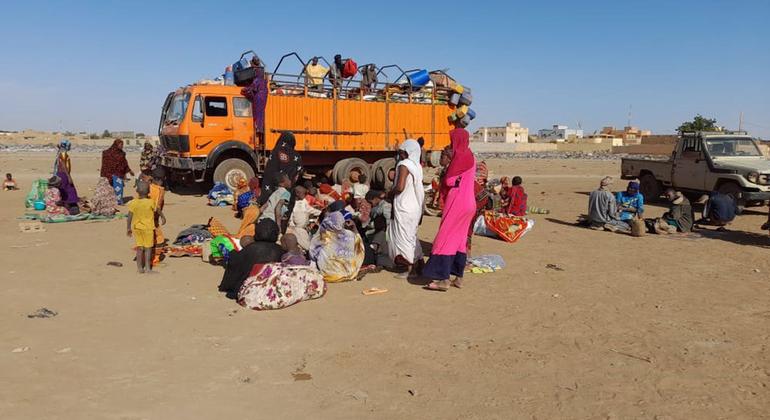
According to an OCHA report on humanitarian access, this isolation has forced residents to flee toward safer zones. The document notes that beyond the aid workers already stationed in the town, no external humanitarian organizations are currently able to reach the community.
The report identified approximately fifty access-related incidents across the country in October, representing a 13% increase from the previous month. Explosive devices remain the primary threat, with 28 reported cases. Additionally, three direct attacks on humanitarian staff and nine kidnappings were recorded, mostly in the Ségou and Gao regions.
Tragedy also struck in Douentza, where two aid workers died after a boat capsized on the Niger River near the village of Kagnimé. OCHA emphasized that such violence compromises staff safety and slows ground operations, noting that the logistical challenges regarding fuel and physical access make reaching vulnerable populations increasingly difficult.
A climate of political repression
This humanitarian decline is occurring alongside a tightening political environment. Since taking power in 2020, General Assimi Goïta has strengthened his control over the state, indefinitely postponing presidential elections and dissolving all political parties in May 2025. A law passed in July allows for the extension of his mandate as many times as deemed necessary for national pacification.
The UN Human Rights Chief, Volker Türk, has criticized the lack of democratic prospects in Mali and the use of legal systems to silence dissent. Arrests of political figures and citizens have risen, including the detention and sentencing of former Prime Minister Moussa Mara for allegedly undermining state credibility.
This political shift coincides with a surge in armed conflict. Attacks by GSIM and the local branch of Daech continue to plague the center and north, particularly near the borders with Burkina Faso and Niger. Reports indicate hundreds of extrajudicial killings, arbitrary arrests, and forced disappearances involving all parties in the conflict since April.
The scale of the crisis is staggering: 6.4 million people require assistance, including 3.5 million children. Mali currently hosts over 400,000 internally displaced persons and 335,000 refugees in neighboring countries. A recent UN report on global food insecurity ranks Mali among the six most severe food crises on Earth, alongside Haïti, Palestine, South Sudan, Sudan, and Yemen.
Pressure from Burkinabé refugee arrivals
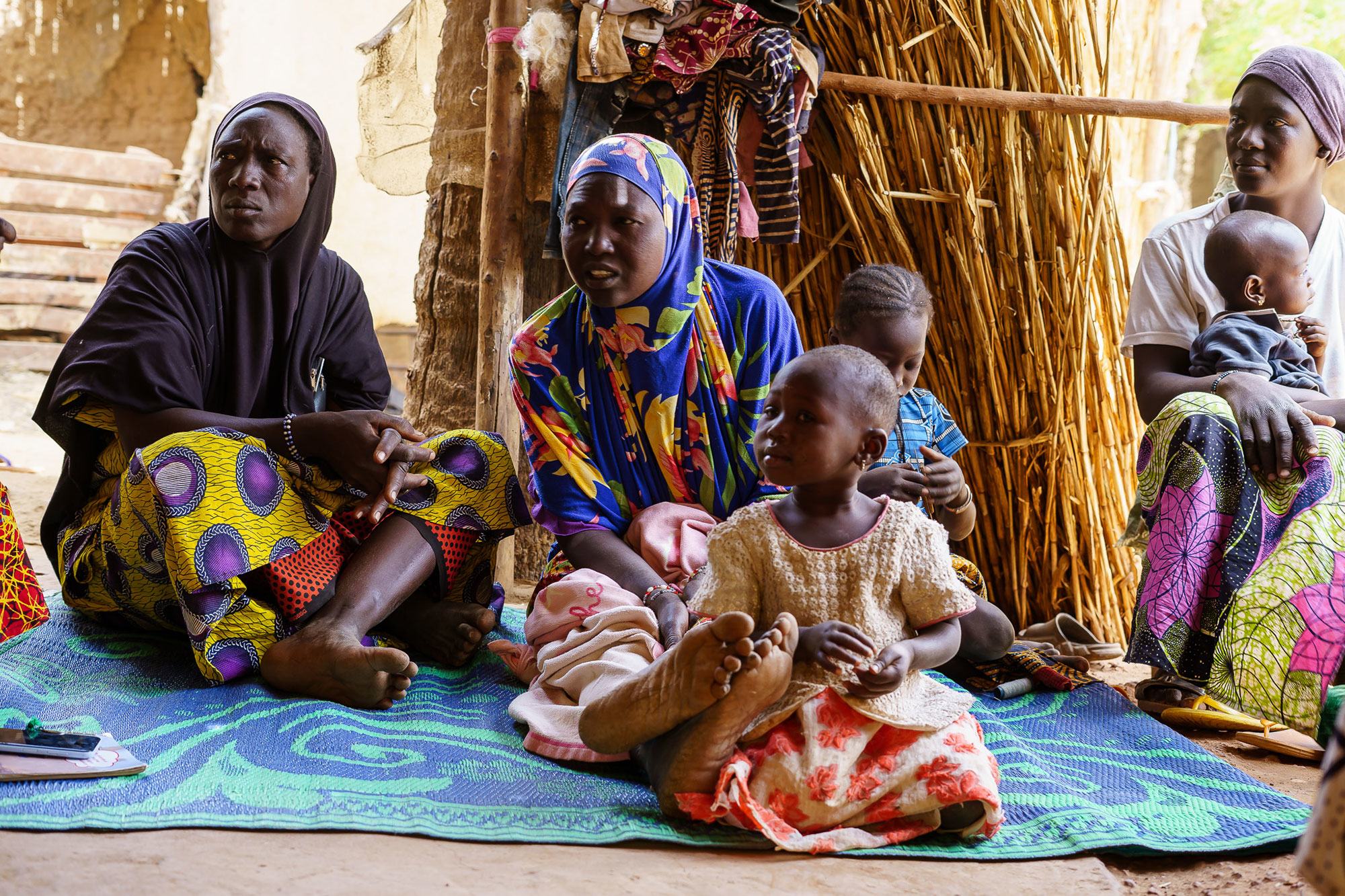
In the Koro district, near the Burkina Faso border, a massive influx of refugees is adding to the local strain. Since April, nearly 50,000 people from Burkina Faso have arrived, doubling the local refugee population.
The UN High Commissioner for Refugees (UNHCR) stated that this surge is overwhelming local resources. To manage the situation, the agency opened a new field office in Koro in mid-October to improve coordination and speed up the humanitarian response.
Currently, Mali provides refuge to more than 150,000 people from Burkina Faso and Niger, all of whom are escaping jihadist violence and military operations against armed groups.