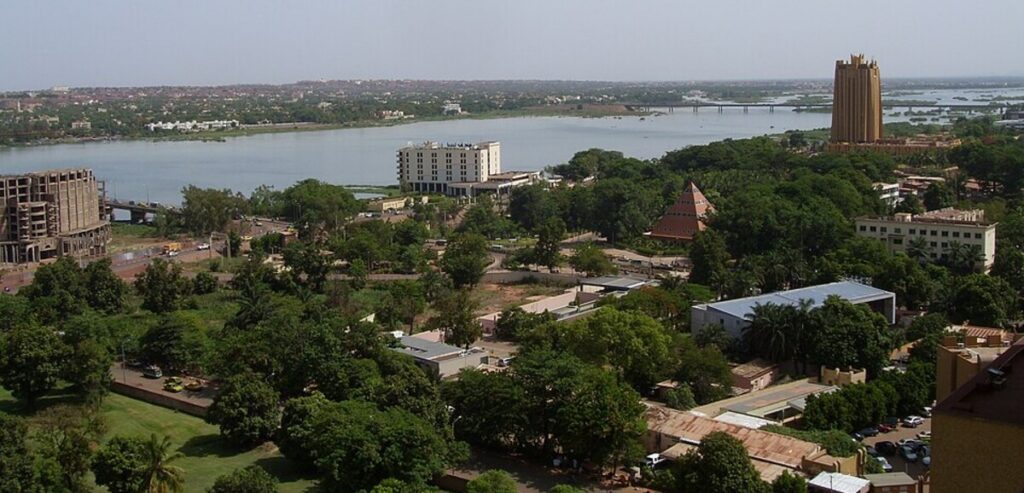
Mali blocus in Bamako: Amnesty International warns of severe civilian impact
Amnesty International has urgently called on armed groups in Mali to halt their blockade of Bamako, warning that civilians are facing unacceptable restrictions on their freedom of movement. The capital has been under siege since April 30, when fighters from the Group for the Support of Islam and Muslims (JNIM) initiated the blockade, which has since paralyzed essential civilian activities.
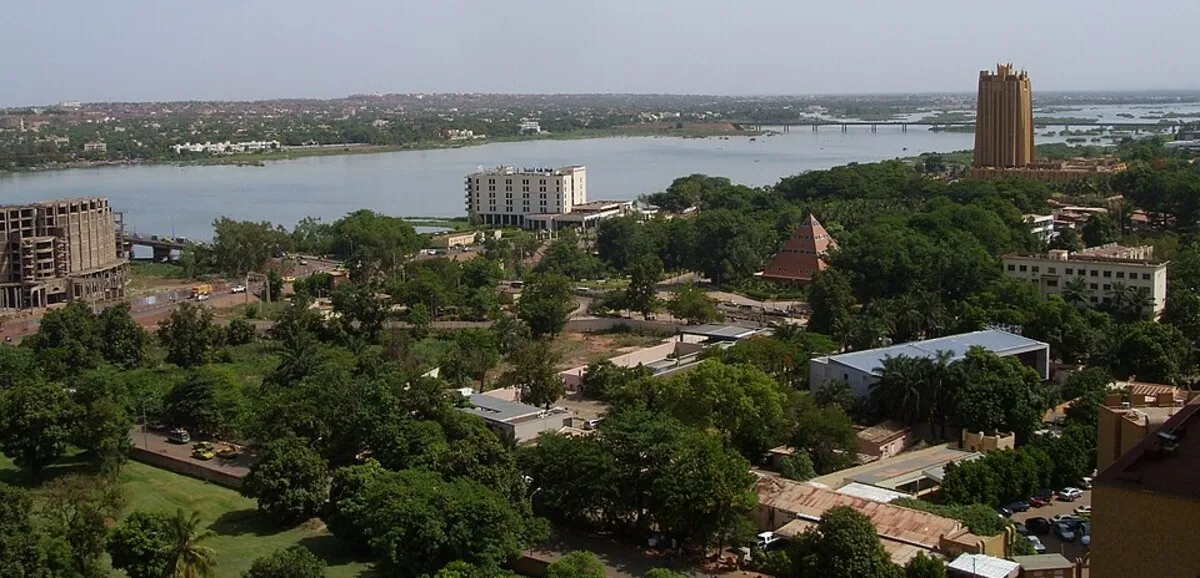
Bamako, the vibrant capital of Mali, has been under a stringent blockade enforced by JNIM since April 30. The militant group’s actions have severely disrupted civilian life, prompting Amnesty International to issue a strong appeal for the immediate restoration of safe mobility. This follows coordinated attacks on April 25 and 26 by JNIM, in alliance with Al-Qaeda, and the Azawad Liberation Front (FLA), targeting key military positions held by the transitional government.
Blockade imposes “unacceptable consequences” on civilians
In a scathing statement, Amnesty International condemned the blockade’s “devastating impact on civilians’ freedom of movement,” emphasizing that it could lead to severe violations of their fundamental rights to food security, health, and life itself. “Targeting civilian vehicles used for legitimate purposes is a clear violation of international humanitarian law,” stated Marceau Sivieude, Amnesty’s regional director. “All parties involved in the conflict must distinguish at all times between civilians and combatants.”
The organization highlighted a recent incident on May 6, when militants attacked a convoy of trucks carrying civilian goods—including fruits—between Bamako and Bougouni. “The vehicles were not escorted by military personnel and contained no military equipment or personnel,” the statement noted. As a direct result of the blockade, several transport companies have suspended services to and from the capital, exacerbating the humanitarian crisis.