Amnesty International condemns civilian impact of JNIM blockade in Bamako
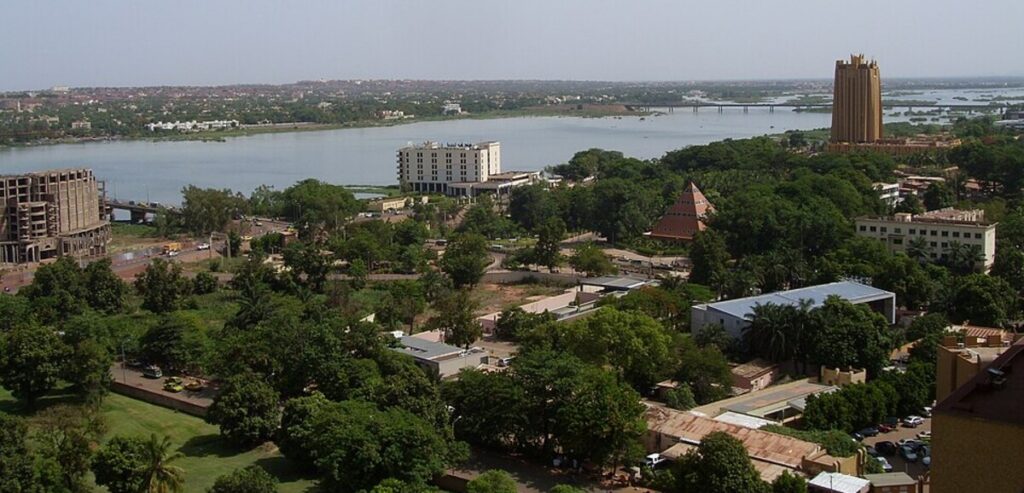
News. Amnesty International has issued a strong condemnation, urging the jihadist Group to Support Islam and Muslims (JNIM) to uphold the safety and unrestricted movement of civilians in Bamako. The Malian capital has been under a blockade imposed by the group since Thursday, April 30, with the human rights organization labeling the impact on civilian freedom of movement as “unacceptable.”
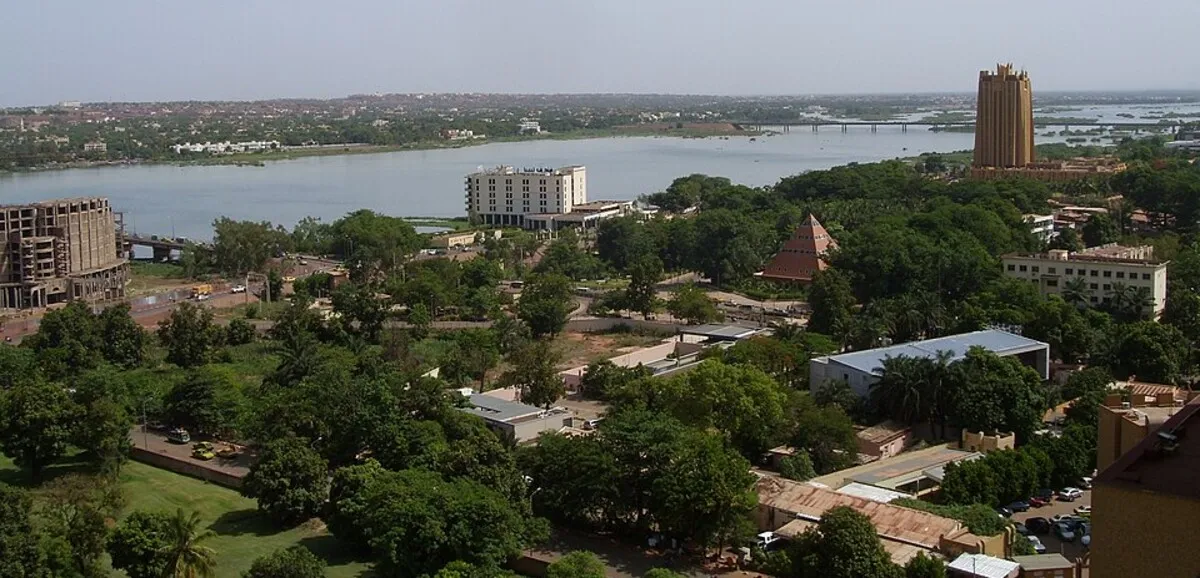
The city of Bamako, Mali’s vibrant capital, has been under a severe blockade since Thursday, April 30, orchestrated by jihadist elements of the Group to Support Islam and Muslims (JNIM). In response, Amnesty International made an urgent appeal on Friday, May 15, emphasizing the critical need to safeguard civilian security and their fundamental right to move freely. This development follows a series of coordinated assaults on Saturday, April 25, and Sunday, April 26, when the JNIM, an Al-Qaeda affiliate, alongside the Front for the Liberation of Azawad (FLA) rebellion, targeted key strategic positions held by the ruling military regime.
Blockade creates “unacceptable consequences” for civilians
In a recently released statement, the human rights watchdog expressed deep concern over what it described as “unacceptable consequences for the freedom of movement of civilians,” warning that the ongoing blockade “could lead to severe infringements on their rights to food security, health, and even life itself.” Marceau Sivieude, Amnesty’s regional director, underscored the illegality of such actions, stating, “Attacks against civilian vehicles used for civilian purposes are unlawful. Under international humanitarian law, all parties involved in an armed conflict must consistently differentiate” between civilians and combatants.
The organization’s communiqué specifically highlighted an incident on Wednesday, May 6, involving an attack on “a convoy of trucks transporting goods belonging to civilian enterprises, including fruits, between Bamako and Bougouni.” Amnesty International stressed that these vehicles “were not escorted by the army and were not carrying military personnel or equipment.” As a direct result of the blockade, several major transportation companies had earlier in the week announced the suspension of their routes originating from and destined for Bamako, further isolating the capital.