Luanda summit: Félix Tshisekedi brands DRC eastern crisis a ‘test for Africa and the world’
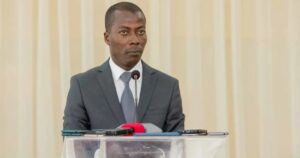
The peace summit in Luanda has become a pivotal platform where global leaders confront the harsh realities of modern conflicts. Among the most urgent topics discussed is the ongoing crisis in eastern Democratic Republic of Congo (DRC), a situation Félix Tshisekedi, President of the DRC, described as a critical test for Africa and the international community.
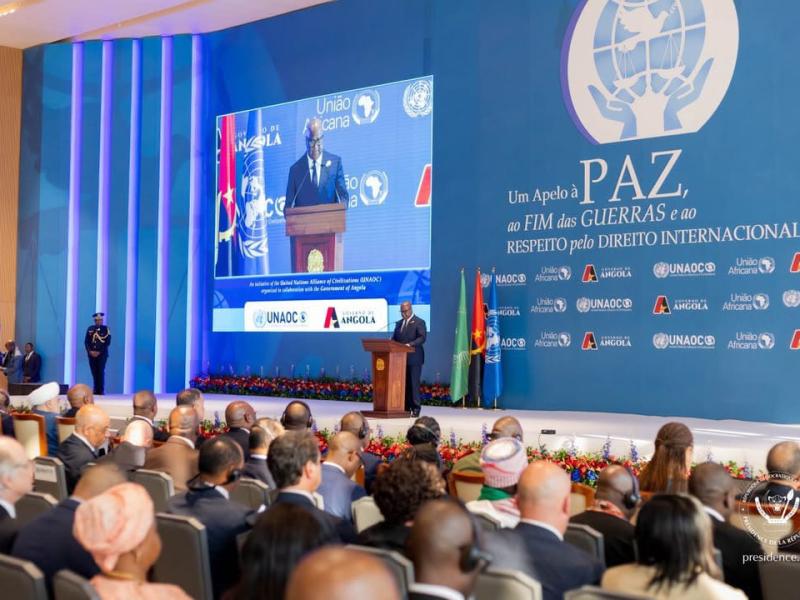
The two-day international peace initiative, held on July 16-17, 2026, and organized by the United Nations Alliance of Civilizations (UNAOC) in partnership with the Angolan government, brought together diplomats, peace advocates, and heads of state. This gathering follows previous editions in Gernika, Spain, and Sarajevo, Bosnia-Herzegovina, reinforcing the global commitment to conflict resolution and adherence to international law.
DRC’s eastern crisis: a humanitarian and security emergency
President Tshisekedi did not mince words in describing the human cost of the conflict plaguing eastern DRC. His address painted a grim picture of displaced families, widespread human rights abuses, and systematic exploitation of natural resources that fuels war economies rather than national development.
« My country knows the price of war, » Tshisekedi declared. « It knows the pain of displaced families, the anxiety of populations trapped in violence, the suffering of women subjected to grave dignity violations, the mourning of communities struck by massacres, and the trauma of children deprived of education, security, and a future. It also knows the consequences of illicit exploitation of natural resources when a nation’s wealth, instead of funding development, becomes the fuel of war economies. »
An appeal for verifiable peace
The DRC President emphasized that the crisis in eastern DRC is not merely a national tragedy but a continental and global challenge. He highlighted the mass displacement of civilians, territorial integrity violations, and external interference as key drivers of instability.
« This reality is not just a national trial, » he stated. « It is a test for our region, for Africa, and for the international community. »
Tshisekedi reaffirmed the DRC’s commitment to diplomatic solutions, including the Washington and Doha peace processes, supported by the African Union and international partners. However, he stressed that peace must be tangible and verifiable on the ground—not just a promise.
« Peace cannot remain a suspended promise. It must translate into concrete actions. It must restore state authority, protect civilians, enable the dignified, voluntary, and secure return of displaced persons and refugees, and pave the way for justice, reparations, and reconciliation, » he insisted.
Restoring the primacy of international law
The Luanda summit took place against a backdrop of persistent insecurity in eastern DRC, despite ongoing negotiations. Tshisekedi called for a renewed global commitment to uphold international law consistently, without selectivity or leniency.
« If we truly want to end wars, we must begin by restoring the strength of law, » he said. « If we want to defend international law, we must apply it with consistency, without double standards or complacency. »
He urged leaders to prioritize human dignity in peace efforts, warning that people demand action, not just rhetoric. « They expect leaders to uphold responsibility over indifference, law over force, truth over propaganda, justice over impunity, and peace over resignation, » he concluded.
As the international community marks the 80th anniversary of the United Nations Charter, Tshisekedi’s message resonates: the promise of peace must be honored today—not deferred to future generations.