Sénégal: manifestation contre le projet de «ville verte» au Lac Rose près de Dakar
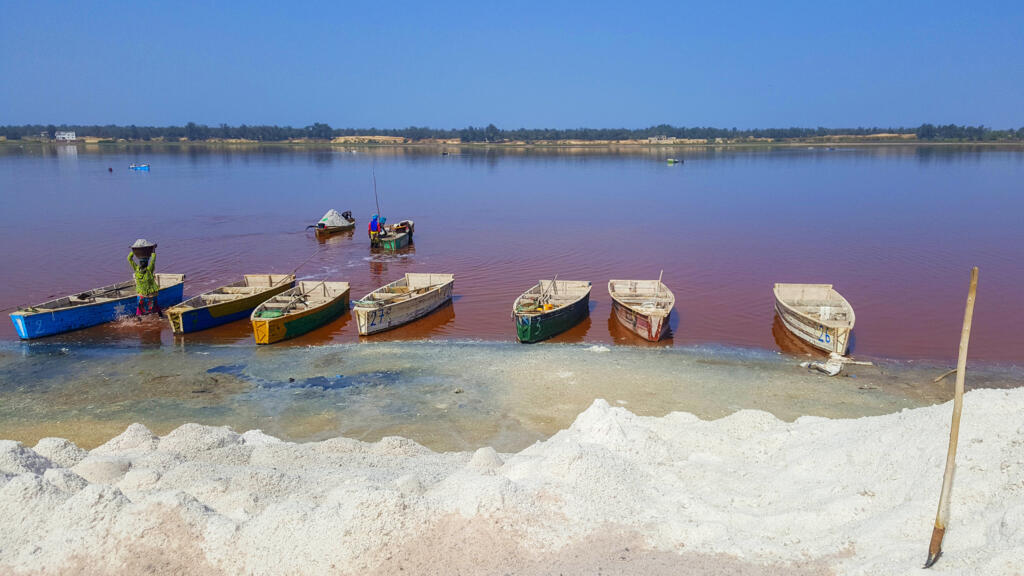
At Sénégal’s iconic Lac Rose, a controversial urban development is forging ahead. The recent groundbreaking ceremony signaled a clear message: high-end studios and villas, available off-plan, are now on offer, despite significant resistance from the local community.
The impending launch of this new “green city” project has ignited fierce opposition. Ibrahima Mbaye, who leads the Arr Lac Rose collective—a group dedicated to protecting the Lac Rose—has been tirelessly campaigning through social media, grassroots gatherings, and direct appeals to authorities. He holds onto hope that the government will reconsider its plans.
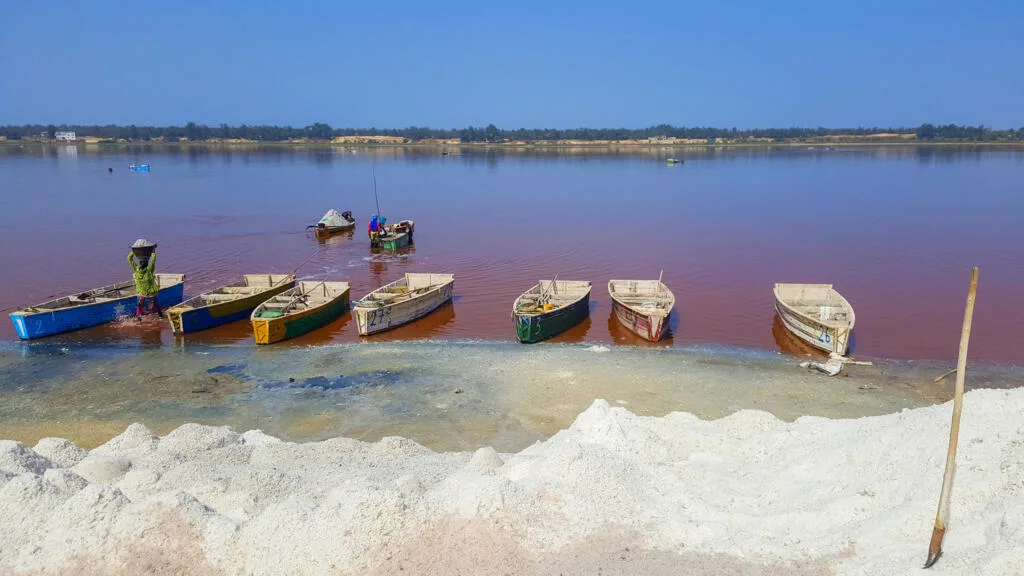
Mbaye argues that this large-scale construction poses a grave threat to the delicate ecosystem of Lac Rose, which serves as a vital natural barrier against the encroaching ocean. Furthermore, he emphasizes the potential devastation to the livelihoods of approximately 6,000 individuals whose existence is intertwined with the lake’s preservation. This includes salt harvesters, local restaurateurs, and tourism operators, all of whom depend on the site’s natural state.
“The very term ‘green city’ is a deceptive phrase, an attempt to mislead the public into believing this will be an intelligent, ecological urban space,” Mbaye stated. “As residents, we know this is impossible on this site. We have the sand dunes, the protective vegetation band planted specifically to combat coastal erosion and sea advancement. People visit Lac Rose to experience its unique natural beauty, not to see imposing buildings that completely disfigure it. Such a development would mean the end of tourism here.”
In response to these concerns, the Egyptian multinational firm Casa Orascom confirmed that the project is indeed progressing. The company assured that it is fully “capable of building while preserving” the environment, upholding its commitments made to the Senegalese government. Casa Orascom also announced the creation of 20,000 direct and indirect jobs as a result of the construction effort.