Libreville’s balancing act: order vs. urban reality
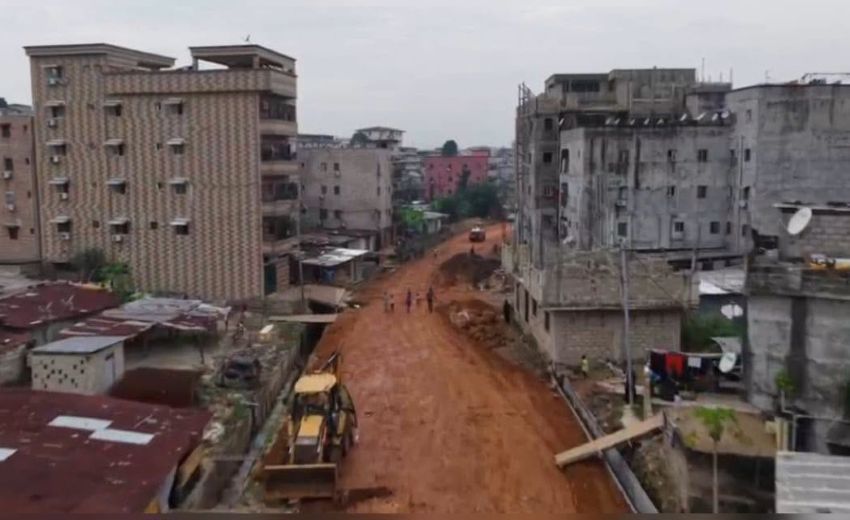
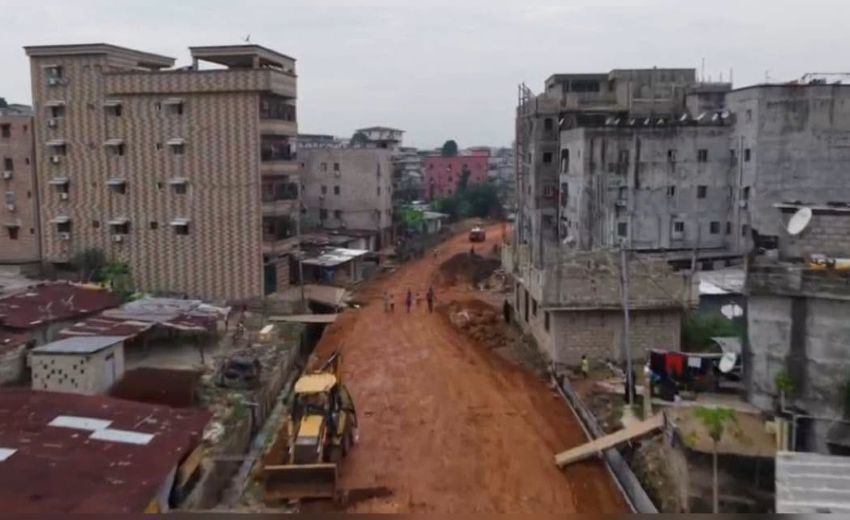
Libreville, July 13, 2026 – The ultimatum issued by Mayor Eugène M’ba on July 10 is drawing to a close. In mere hours, Libreville’s municipal campaign against urban blight and illegal occupation of public spaces will enter a decisive phase, with evacuations, demolitions of unauthorized structures, removal of abandoned vehicles, and dismantling of makeshift businesses now on the agenda.
The stated goal is unambiguous: restore order to the capital’s urban landscape, improve public health conditions, and present Libreville as a modern, clean, and attractive city. Few dispute the necessity of this intervention, given the progressive encroachment of sidewalks, intersections, and even roadways by informal commerce and private extensions over the years.
To many residents, the municipality’s intervention is long overdue. A political and economic capital cannot sustain its operations amid urban disorder without compromising mobility, public health, and economic appeal. The municipal team’s campaign responds to a genuine urban governance imperative.
Yet, as the deadline approaches, a parallel conversation is gaining traction. One that doesn’t challenge municipal authority but rather broadens the discussion.
Beyond mere enforcement
A modern municipality’s success isn’t measured solely by its ability to enforce regulations. It’s also judged by its capacity to support citizens, anticipate social changes, and implement sustainable solutions.
This perspective shouldn’t be dismissed as criticism of the ongoing campaign but rather as a call to enhance its effectiveness. Behind every sidewalk stall, every makeshift garage, or informal car wash lies a more complex economic reality: youth unemployment, low household incomes, insufficient affordable commercial spaces, exorbitant professional rents, and the rapid growth of survival economies that inevitably spill into public spaces.
History shows that in cities like Libreville, eviction campaigns rarely yield lasting results without accompanying relocation strategies and economic integration plans. The risk is clear: cleared spaces today may simply reappear elsewhere tomorrow in new forms.
Addressing root causes
The debate has evolved beyond urban order maintenance. It now centers on the city model Libreville aspires to build in the coming decades.
Creating new neighborhood markets, designating artisan zones, guiding informal actors toward formalization, and strengthening dialogue between municipal services and residents could transform a one-time operation into a lasting public policy. The challenge isn’t just about combating symptoms but treating the underlying conditions.
Major African cities like Lagos, Kigali, Abidjan, and Casablanca have all learned that urban modernization requires a delicate balance between regulatory firmness and social support. Authority is indispensable – a city cannot thrive without rules, respect for public spaces, or protection of communal assets. Yet urban policy history demonstrates that durable authority often combines control, education, and practical solutions.
A chance for urban renewal
Libreville’s campaign could mark more than just a cleanliness operation. It might serve as the foundation for a new social contract between the city and its inhabitants. The municipal team now has a rare opportunity to prove that order can be restored without severing dialogue, that laws can be enforced while acknowledging social realities, and that rules can be established while creating new opportunities.
The stakes extend far beyond occupied sidewalks or unauthorized constructions. They encompass how major African capitals in the 21st century will reconcile population growth, economic development, and social cohesion. Libreville has chosen to act urgently to address a critical situation. The coming weeks will determine whether this becomes merely an administrative victory or the first step toward a more inclusive, humane, and sustainable urban transformation for Gabon’s capital.