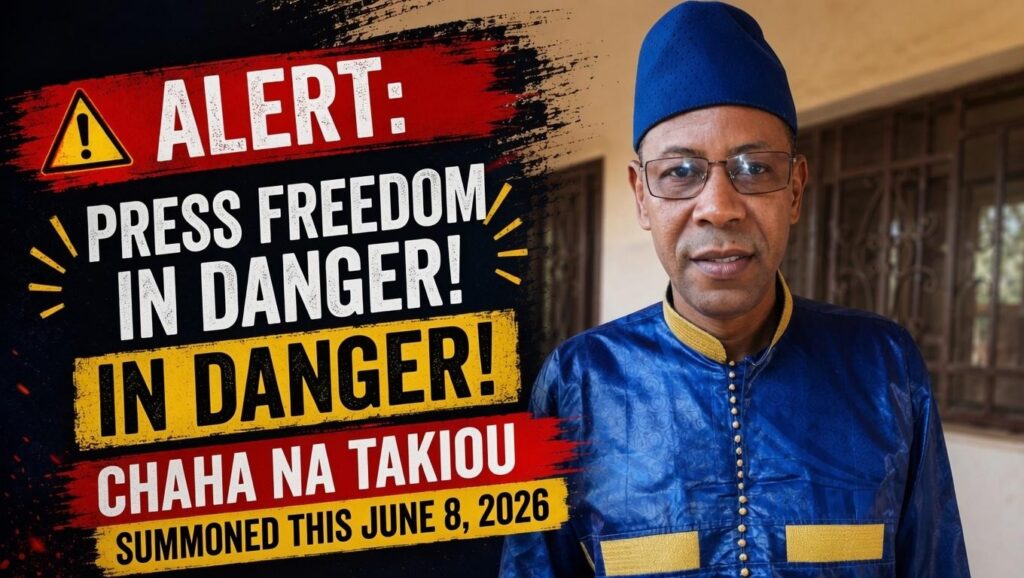
The director of the weekly publication Le 22 Septembre, Chahana Takiou, has been ordered to appear before the Bamako cybercrime prosecutor this Monday, June 8, 2026, at 1:00 PM. This judicial summons follows a series of critical public analyses he shared regarding the ruling military junta. This development highlights a growing pattern of systematic repression and legal intimidation targeting independent voices and journalists who question the official narrative of the transition authorities.
A high-stakes encounter at the cybercrime unit
The announcement has sent a shockwave through the Mali media landscape. Chahana Takiou, a prominent figure in national journalism, must now face investigators specializing in cybercrime. For his peers, the motive behind this move is transparent: it is a direct response to his recent public statements evaluating the military transition’s political, security, and economic management.
In Mali, the specialized unit for combating cybercrime has increasingly become a primary tool for the authorities to silence dissent. While ostensibly designed to monitor digital misconduct, the judicial system frequently utilizes it to pressure media professionals. For Chahana Takiou, the rigorous practice of his profession has now led to a high-risk legal confrontation.
The erosion of independent reporting
Since the military junta assumed power, the space for public debate in Mali has shrunk significantly. The freedom of the press, once a cornerstone of the nation’s democratic identity, is rapidly fading. Information professionals now operate in a climate dominated by fear and self-censorship. Providing neutral and independent reporting has transformed into an act of significant risk, often treated as a challenge to the state’s authority.
The current leadership demands total alignment with its rhetoric. Media outlets that decline to circulate official propaganda or attempt to raise valid questions about the country’s trajectory are quickly penalized. The daily reality for the Mali press involves suspensions of both domestic and international outlets, formal warnings from the Haute Autorité de la Communication (HAC), and administrative harassment that leaves the industry financially and morally strained.
A broader strategy of intimidation
The pressure on Chahana Takiou is not an isolated incident but part of a wider repressive strategy led by the transition government. Anyone expressing a dissenting opinion—whether they are politicians, civil society leaders, human rights advocates, or citizens on social media—faces the threat of severe retaliation.
More concerning is the shift toward harsher methods. Beyond official legal summons, the country is witnessing an increase in forced disappearances and abductions. Citizens are being detained by unidentified armed individuals, often linked to intelligence services, and held in secret for weeks. This atmosphere of fear is designed to neutralize any form of protest and impose a total silence across the territory.
Media solidarity in a fragile environment
Following the summons of the director of Le 22 Septembre, professional media organizations in Mali are mobilizing in solidarity. Calls for vigilance and support were issued immediately. However, this collective effort faces the overwhelming power of a militarized state apparatus where fundamental judicial and constitutional protections are increasingly ignored.
Journalist unions continue to emphasize that constructive criticism is vital for the nation’s survival, particularly during times of crisis. Yet, for the current authorities in Bamako, any critique is viewed as a form of destabilization or betrayal, effectively ending pluralistic democratic debate.
The summoning of Chahana Takiou on June 8, 2026, represents a worrying escalation in the authoritarian shift of the Mali junta. By targeting a journalist of his standing, the transition power is sending a definitive message: no dissenting voices will be permitted. This drive for forced unanimity through intimidation and legal pressure further isolates Mali and threatens its internal stability. As the nation grapples with major security and humanitarian challenges, silencing those who pursue the truth will not resolve the underlying crises.