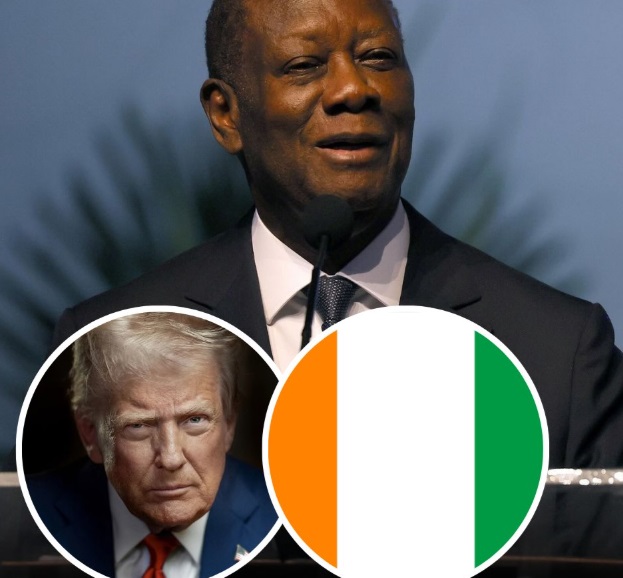
Côte d’Ivoire stands firm against Washington’s third-country deportation requests
The Ivory Coast has formally declined a proposal from the United States to accept deportees expelled from America, even if they are not Ivorian nationals. This decision, confirmed through diplomatic channels, comes amid a controversial expansion of third-country deportation policies under the Trump administration.
In mid-June 2026, Christian Ehrhardt, head of the State Department’s Office of Remigration, traveled to Abidjan as part of a regional tour to secure agreements with African governments for accepting expelled migrants.
While discussions were held, the Ivorian government ultimately rejected the proposal, reinforcing its position against accepting non-citizens under the U.S. program.
Expulsions to third countries: a shifting U.S. immigration strategy
The Trump administration has aggressively pursued deportations to countries with no direct ties to the deportees. Under this policy, individuals can be sent to nations where they have no legal residency, citizenship, or prior connection.
Internal U.S. documents reviewed indicate that as of June 2026, Washington had allocated at least $410 million in funding to secure agreements with 31 countries—primarily in Africa and Latin America—to participate in this deportation scheme. Since 2025, over 25,000 individuals have been expelled to at least 28 third countries, raising concerns among human rights advocates and legal experts.
Why Abidjan refused the U.S. proposal
Unlike several African governments that accepted financial incentives to take in deportees, Côte d’Ivoire was not among the countries listed as reaching an operational agreement with the U.S. in June 2026. The government’s refusal underscores broader sovereignty concerns and the risks of destabilization tied to accepting foreign nationals with no legal tie to the country.
In exchange for accepting deportees, some governments received direct financial commitments or other forms of assistance. However, Abidjan’s refusal signals a firm commitment to national stability over external financial or diplomatic pressure.
Controversy surrounds Washington’s deportation policy
The policy has drawn sharp criticism, particularly regarding the lack of protections for deportees before transfer. Human rights organizations and legal advocates argue that individuals facing deportation are often denied proper legal representation, risking wrongful removals to unsafe or unfamiliar destinations.
In September 2026, a U.S. federal appeals court ruled that this deportation policy was illegal due to insufficient safeguards for the rights of those being expelled. The Trump administration announced plans to appeal the decision to the Supreme Court, prolonging the legal and diplomatic uncertainty surrounding the program.
Implications for Côte d’Ivoire and regional stability
Abidjan’s decision reflects a broader skepticism toward U.S. migration policies that bypass traditional deportation frameworks. While some governments in the region accepted the financial and diplomatic incentives, Côte d’Ivoire’s refusal highlights the importance of protecting national sovereignty in migration governance.
As debates over global migration intensify, the Ivory Coast’s stance may influence other African nations weighing the costs and consequences of participating in Washington’s third-country deportation scheme.