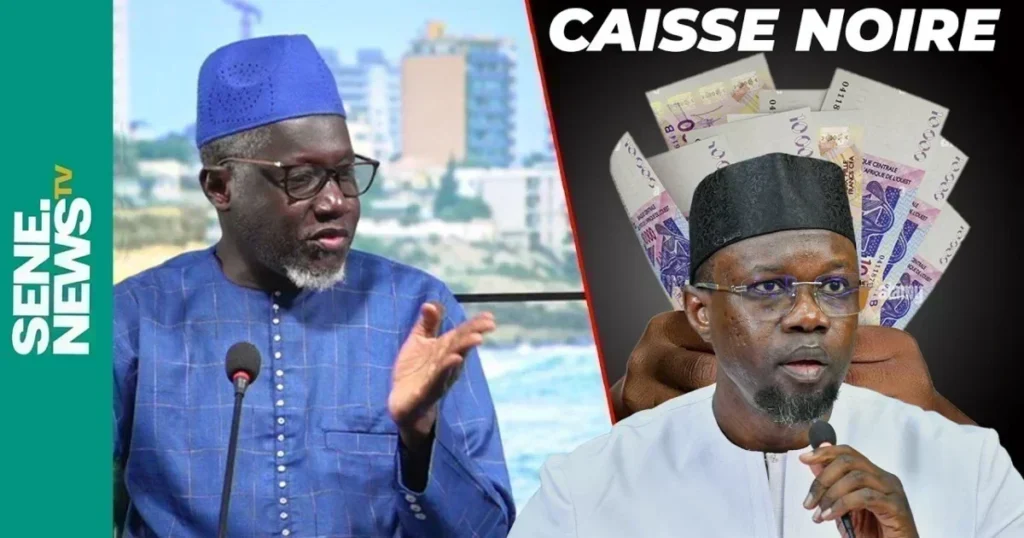
In a groundbreaking revelation, prominent religious leader Imam Kanté has shed light on how Ousmane Sonko allegedly misallocated special funds during his tenure in government. Speaking with unfiltered candor, Kanté outlined specific instances that raise serious questions about financial transparency and accountability in high-level decision-making.
According to Kanté’s detailed account, funds earmarked for critical national priorities were diverted or mismanaged, allegedly under Sonko’s direct oversight. The revelations point to a pattern of financial irregularities that could have far-reaching implications for the country’s governance standards. While Sonko has not yet responded publicly, the accusations have already sparked intense debate across political circles.
Kanté’s statements come at a time when public scrutiny over government spending has intensified. Citizens and opposition figures alike are demanding clearer explanations, with many calling for an independent audit to verify the claims. The controversy has reignited discussions about the need for stricter oversight mechanisms to prevent misuse of public resources.
Key allegations and their implications
The Imam’s testimony highlights several critical areas where special funds were allegedly misused:
- Unverified disbursements: Large sums were released without proper documentation or justification, raising concerns over potential embezzlement.
- Political favoritism: Funds appear to have been allocated based on personal or partisan interests rather than national needs.
- Lack of transparency: Financial records were either incomplete or deliberately obscured, making it difficult to track how money was spent.
These revelations have amplified calls for greater accountability from both political leaders and religious figures who wield significant influence. Kanté’s decision to go public with such sensitive information underscores the urgency of addressing systemic weaknesses in financial governance.
Public reaction and next steps
The accusations have triggered a wave of reactions from various stakeholders. Civil society organizations have urged the government to launch an immediate investigation, while political analysts warn that the scandal could deepen existing divisions. Some supporters of Sonko dismiss the claims as politically motivated, but critics argue that the evidence presented is too substantial to ignore.
As the debate intensifies, one thing is clear: the integrity of the country’s financial systems is now under the microscope. Whether through legislative action, judicial review, or public pressure, the demand for transparency will not fade. The coming days could determine whether these allegations lead to meaningful reforms—or further erosion of public trust.