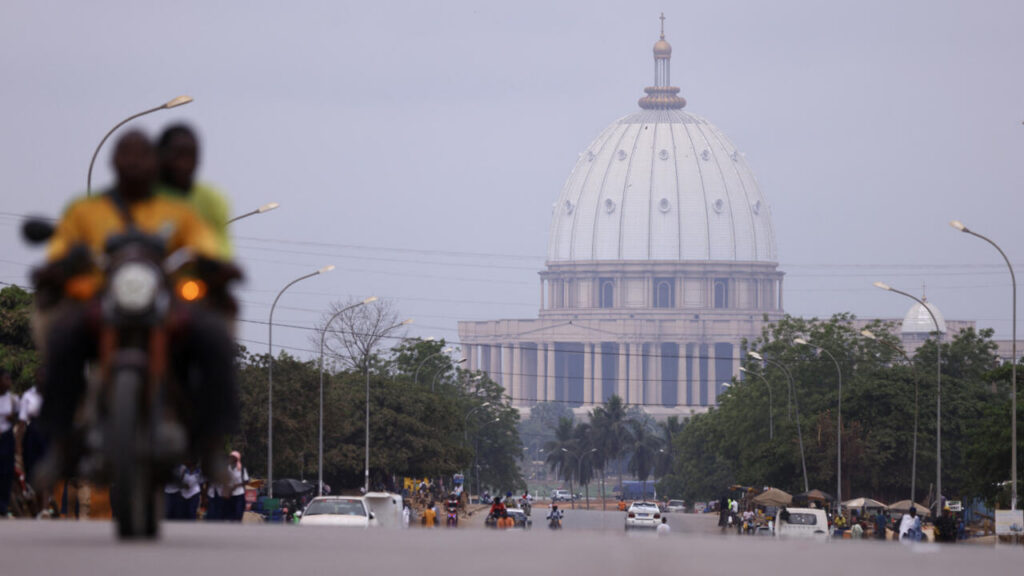
Yamoussoukro is experiencing an unprecedented surge in real estate activity, drawing enthusiastic investors while raising serious concerns among local farmers. The political capital of Côte d’Ivoire is rapidly transforming into a key hub for property development, reshaping its landscape and sparking debates about the future of agricultural land.
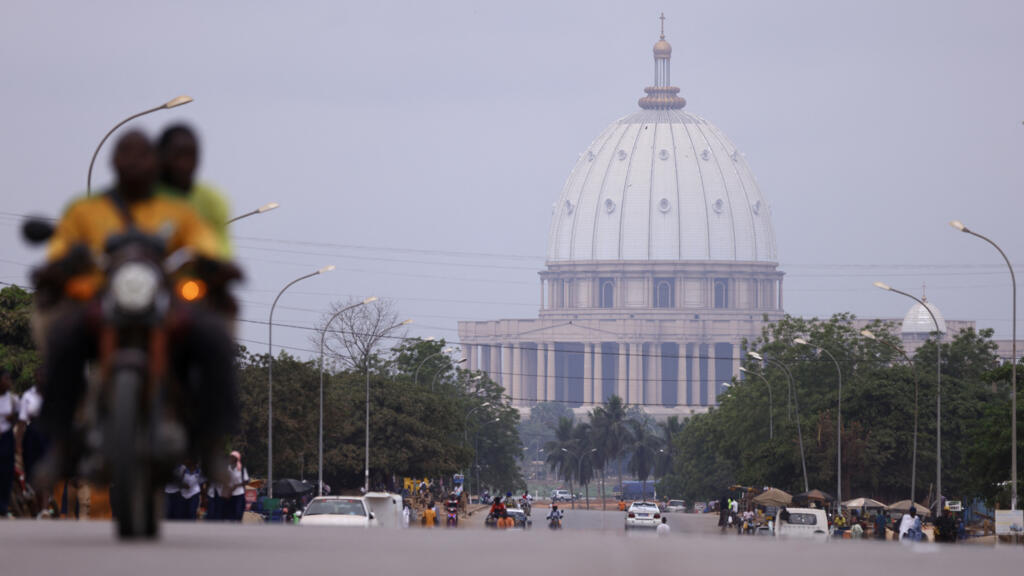
Rapid land value appreciation fuels development frenzy
Real estate prices in Yamoussoukro have skyrocketed as construction projects multiply across the city. Aerial surveys reveal neatly demarcated plots ranging from 15 to 40 million West African CFA francs, depending on location and size. Francis Djaha, a local real estate agent with five years of experience, reports an unprecedented influx of investors: «We’re seeing everything from residential developers to industrial investors, commercial enterprises seeking office spaces, agricultural buyers, and even those interested in turnkey homes.»
The city’s appeal extends beyond affordable land prices. «The wide, well-maintained roads ensure easy connectivity throughout the city,» explains Djaha. «Yamoussoukro maintains a peaceful atmosphere while offering superior infrastructure built during President Houphouët-Boigny’s tenure. Its central location makes it perfectly positioned for access to all parts of the country.»
Farmland conversion raises sustainability questions
The real estate boom is gradually consuming fertile lands surrounding Yamoussoukro, traditionally dedicated to cocoa, yam, and cassava cultivation. While some view this transformation as an opportunity for economic growth, local agricultural communities express growing apprehension about the long-term implications.
Michel N’Goran, advisor to the village chief of Séman Sanhourikro, voices these concerns: «Land subdivision prevents us from maintaining our agricultural activities. In 30 to 50 years, the situation that affected the Ebrié people in Abidjan could befall the Akouès and Nanafouès communities here. We risk losing all our cultivable land.»
The national five-year development plan includes a high-speed rail project connecting Abidjan to Yamoussoukro in just 45 minutes, which is expected to further enhance the city’s attractiveness. While this infrastructure development promises economic benefits, it also accelerates the conversion of agricultural land into urban spaces.
The contrasting perspectives highlight the complex balance between economic development and agricultural sustainability in Côte d’Ivoire’s political capital.