Gabon’s Woleu-Ntem: a bold experiment in territorial development
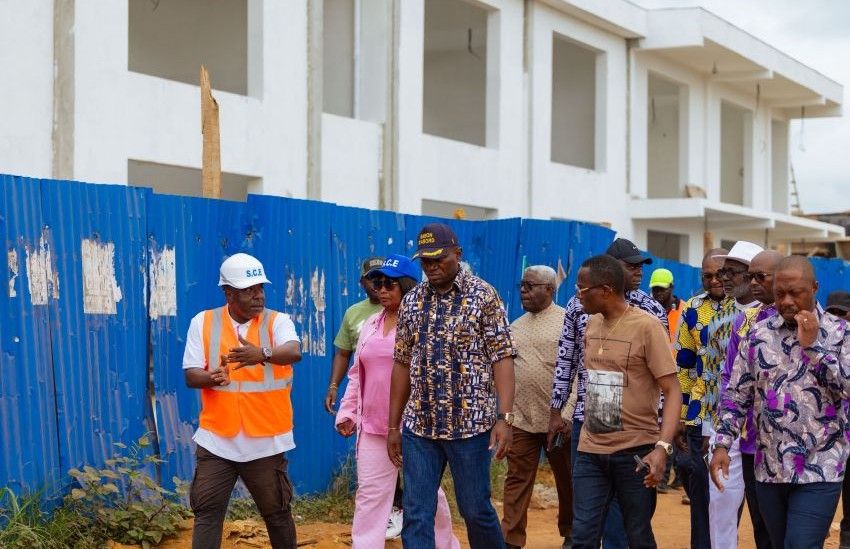
Libreville, Saturday, July 11, 2026 – Presidential tours in Africa often follow predictable patterns, serving as carefully orchestrated political performances. Yet the four-day journey undertaken by Gabonese President Brice Clotaire Oligui Nguema through the Woleu-Ntem province signals something far more consequential.
This isn’t merely a ceremonial exercise. It represents a deliberate shift in national development strategy, elevating once-marginalized regions to the forefront of Gabon’s economic transformation. From Minvoul to Oyem, the itinerary spans roads, schools, farms, and health facilities—each project a deliberate stroke in a new blueprint for territorial cohesion.
A gateway to transformation
The selection of Woleu-Ntem was deliberate. Bordering Cameroon and Equatorial Guinea, this northern province serves as Gabon’s primary land gateway to Central Africa. Despite its strategic position, the region has long endured the paradox of untapped potential: abundant resources yet disconnected from national economic currents.
The presidential convoy’s focus on the Gabon-Cameroon highway underscores this shift. Modern economies recognize that roads are more than asphalt—they are arteries for trade, investment magnets, and sometimes even instruments of geopolitical influence. By prioritizing this corridor, Gabon positions itself strategically within Central Africa’s economic networks, especially as the African Continental Free Trade Area reshapes continental commerce.
The unprecedented decision for a sitting Gabonese president to spend the night in Minvoul carries symbolic weight. It signals a fundamental principle: no community should be left behind in the nation’s progress.
Cultivating self-reliance through agriculture
The presidential tour also marks a turning point in Gabon’s economic priorities. The inauguration of the Oyem agricultural complex and the training of 240 young farmers represent a decisive break from the country’s historical dependence on raw material exports.
This initiative targets more than job creation. It aims to build a new generation of rural entrepreneurs capable of bolstering the country’s food sovereignty. The partnership between ACM Exploitation, the Local Community Development Fund, and the Ministry of Agriculture exemplifies a growing trend in African public policy, where extractive industries are increasingly expected to contribute directly to the development of host communities.
The visit to an integrated agropisciculture farm near Oyem further illustrates this new direction—combining sustainable employment with reduced food imports.
Redefining governance through direct engagement
The president’s hands-on approach—inspecting construction sites, meeting with local leaders, and making real-time decisions—reflects a deeper transformation in Gabonese governance. Projects like the Minvoul hospital, Gouéma municipal market, Mvett Palace rehabilitation, village leader housing, teacher training center, and Nkum Yenguï sports complex all follow a unified vision: balanced development where economic infrastructure grows in tandem with social services and human capital.
Facilities like the Manfred Mendame Ndong teacher training center and the modern Nkum Yenguï high school—equipped with science labs and digital infrastructure—demonstrate a commitment to building the skills Gabon will need tomorrow. The distribution of housing to village chiefs addresses another often-overlooked dimension of development: strengthening local governance and state presence at the grassroots level.
True national transformation rarely begins in capital cities. It takes root in regions that can become hubs of balance, innovation, and production. Through this Woleu-Ntem tour, Gabon’s leadership is making a bold statement: a new geography of development is possible—one where borders become economic assets, provinces cease to be peripheries, and public investment fosters both cohesion and growth.
The real test lies ahead: translating this vision into measurable, lasting results that can reshape Gabon’s economic and social trajectory for years to come.