Gabon’s new diplomatic vision under Oligui Nguema: sovereignty and regional influence
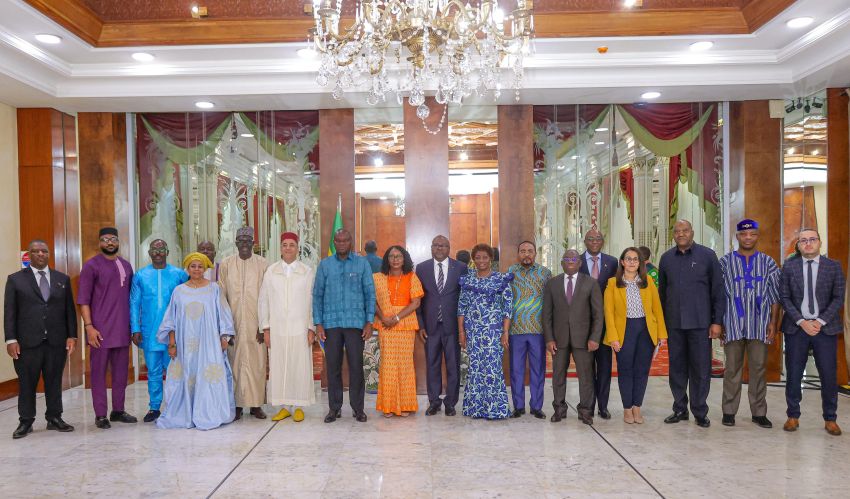
Libreville, June 13, 2026 — In a continent reshaped by shifting geopolitical sands, Gabon is redefining its diplomatic identity and global footprint. The nation’s leadership, under President Brice Clotaire Oligui Nguema, has taken a decisive step toward articulating a new foreign policy doctrine—one rooted in African sovereignty and proactive regional engagement.
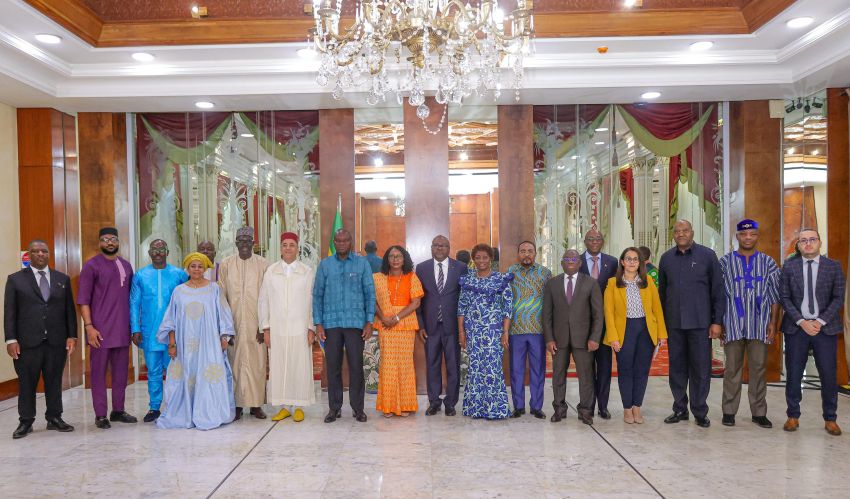
On Friday, the President hosted a landmark gathering of African ambassadors accredited to Libreville, marking his first collective engagement with the continent’s diplomatic corps since assuming office. This was no mere ceremonial gathering. It was a strategic unveiling of a political vision designed to reposition Gabon as a key player in Africa’s defining debates of the coming decade.
Through this high-profile meeting, the Head of State sent a clear signal: Gabon is no longer content to remain on the sidelines. It seeks to emerge as a stabilizing force, a bridge for dialogue, and a champion of an African-led integration model. In a region grappling with security crises, competing influences, and evolving development models, Libreville is stepping forward to make its voice heard.
Africa must build its future, led by Africans
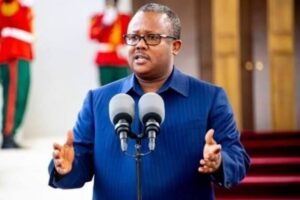
At the heart of the President’s address lay a powerful conviction—one increasingly echoed across African capitals. According to Brice Clotaire Oligui Nguema, the continent’s future cannot continue to hinge on solutions designed outside its borders.
This stance reflects a broader continental trend. From the Sahel to Southern Africa, leaders are increasingly demanding greater sovereignty in addressing economic, security, and institutional challenges. Gabon now intends to take an active role in this continental reflection.
The President outlined three core priorities. First, accelerating regional integration to boost intra-African trade, which remains among the lowest globally. Second, strengthening South-South cooperation as a catalyst for shared learning and economic complementarity. Third, consolidating national capacities so each state can independently tackle its development challenges.
This approach signals a shift from rhetorical unity to a results-driven, pragmatic African agenda.
Transforming stability into regional influence
Discussions with African diplomats also revealed how Gabon’s transition is perceived internationally. Several envoys praised the progress made over the past three years in infrastructure, urban development, and public services.
Beyond diplomatic praise, this recognition highlights a central challenge for Libreville: converting national progress into regional influence. The resumption of joint commissions with African partners underscores this strategy, aiming to shift from a diplomacy centered on politics to one focused on tangible projects in energy, transport, agriculture, digital innovation, and education.
Gabon is also ramping up efforts to enhance its global visibility. The country’s bid to host the 2027 AU-Regional Economic Communities Joint Semiannual Meeting reflects this ambition. Similarly, plans to host the 2030 Francophonie Summit demonstrate a long-term vision to position Libreville as a key diplomatic hub connecting Africa, the Francophone world, and the international community.
Balancing openness with governance
The meeting also addressed practical concerns regarding African nationals living in Gabon. Ambassadors raised administrative and consular issues, to which the President responded by reaffirming Gabon’s commitment to international conventions and improving case processing efficiency.
This message carried an important caveat: while Gabon remains committed to its tradition of hospitality toward African populations, such openness must align with national laws and governance standards. A stance that seeks to harmonize regional attractiveness with effective public administration.
The President concluded with a special message to the Sahel States Alliance. In a region marked by political tensions and institutional fractures, he emphasized dialogue, mutual listening, and consultation as preferred pathways to resolving disputes.
This position is significant. It signals Gabon’s desire to position itself as a neutral mediator capable of engaging with all African perspectives.
As this first-ever collective meeting with African ambassadors drew to a close, a new reality emerged: Libreville is no longer content to be seen merely as a stable capital of Central Africa. Gabon now aims to play a more visible role in shaping Africa’s balance of power—making cooperation, peace, and regional integration the cornerstones of its diplomatic influence. The challenge ahead? Turning this vision into tangible outcomes. In today’s Africa, credibility is measured not by intent, but by action.