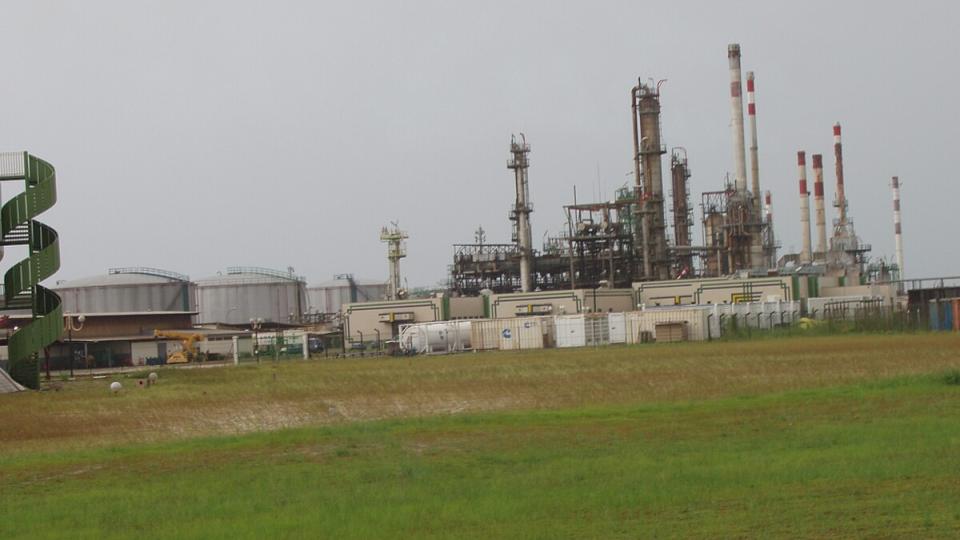
The oil-rich nation of Gabon continues to grapple with a costly paradox: despite its significant crude oil production, it remains heavily reliant on imported refined fuels. The Central African States Bank (BEAC) has now sounded the alarm, urging Libreville to fast-track upgrades at the Société Gabonaise de Raffinage (SOGARA) to address this economic imbalance that drains public finances and regional foreign reserves.
The warning comes amid growing concerns over inflation trends and economic prospects in the CEMAC zone. While Gabon pumps thousands of barrels daily, outdated infrastructure at the Port-Gentil facility forces the country to purchase gasoline and diesel at international market prices, exposing its economy to global volatility.
Rising geopolitical tensions and fluctuating oil prices have pushed fuel bills higher, straining the national trade balance and putting pressure on foreign currency reserves managed by the central bank. The situation underscores the urgent need for structural change.
Critical need for industrial upgrade
The BEAC is pushing for strategic investments to modernize the SOGARA refinery, including high-tech solutions like an hydrocracker unit that would boost production of lighter fuels and convert more domestic crude into usable products. Such improvements could help meet local demand without relying on costly imports while easing the burden of energy subsidies on the national budget.
Budget decisions awaited
The central bank’s call puts the Gabonese government at a crossroads. This is no longer just a technical challenge—it’s a pivotal economic sovereignty issue. Financial markets and analysts will closely watch the upcoming budget deliberations to see if the administration commits to funding this priority. For Gabon, achieving self-sufficiency in fuel production could become a cornerstone of macroeconomic stability in the coming years.