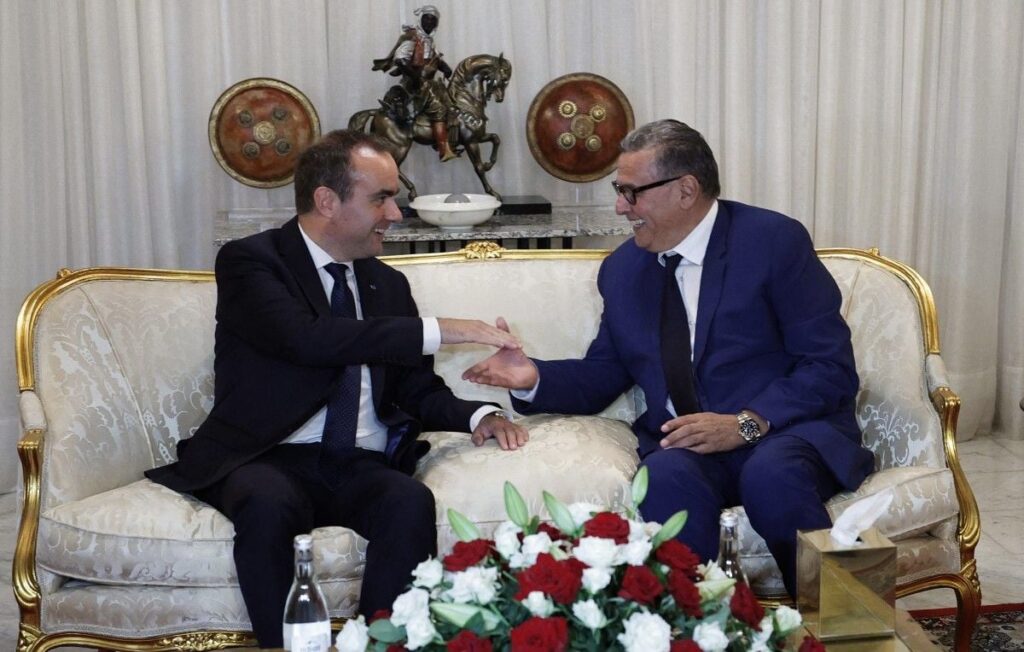
France and Morocco are witnessing a notable thaw in their diplomatic relations, as confirmed by French Prime Minister Sébastien Lecornu during his official visit to Rabat. This visit, marked by high-level discussions, signals a potential breakthrough in bilateral ties that had been strained by recent controversies, including espionage allegations and visa disputes.
The foundations for this warming relationship were laid in the summer of 2024, when France formally recognized Morocco’s sovereignty over the Western Sahara territory—a move that drew sharp criticism from Algiers. This decision paved the way for a significant diplomatic reset, culminating in a high-profile state visit by French President Emmanuel Macron to Rabat in October of the same year. The visit, which ended three years of diplomatic friction, resulted in the signing of an exceptional enhanced partnership and multiple bilateral agreements.
a new chapter in french-moroccan relations
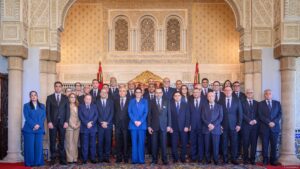
During his two-day visit to Morocco, Prime Minister Lecornu was received with full military honors upon arrival in Rabat, accompanied by a delegation of twelve French ministers, including Foreign Minister Jean-Noël Barrot and Interior Minister Laurent Nunez. The visit marked the resumption of the 15th High-Level Meeting between the two countries—a dialogue forum that had not convened since 2019. Lecornu described the occasion as a pivotal moment, emphasizing the need to “scale up” cooperation in key areas such as security and counterterrorism.
Lecornu underscored the shared interests of both nations in Africa, particularly in addressing the growing jihadist threat in the Sahel region. He also proposed positioning Morocco as a “anchoring port” for the North African kingdom’s relationship with the European Union. Morocco’s Prime Minister Aziz Akhannouch, for his part, expressed his commitment to accelerating the implementation of the 2024 partnership commitments and preparing for the next steps in bilateral collaboration.
addressing past controversies
The visit took place against a backdrop of renewed scrutiny following recent international investigations into Morocco’s alleged use of the Pegasus spyware. A consortium of media outlets published findings suggesting the Moroccan government had deployed the Israeli-developed software to infiltrate the phones of prominent figures, including French officials. Morocco has consistently denied these allegations as “baseless and misleading.”
Despite these tensions, both sides remained focused on advancing their strategic partnership. The French delegation’s visit was carefully structured to emphasize continuity and mutual respect, with the agenda centered on economic cooperation, security collaboration, and regional stability in the Sahel.
looking ahead: a treaty of friendship?
One of the most significant outcomes of the visit was the discussion around a potential treaty of friendship between France and Morocco. While no timeline has been set, both leaders expressed optimism about the possibility of a future visit by King Mohammed VI to Paris. Such a move would further solidify the growing alliance between the two nations and mark a new chapter in their historical relationship.