The Gabonese government has taken decisive steps to regulate the exploitation and trade of iboga, a Central African shrub with psychotropic and therapeutic properties. Libreville now requires strict administrative authorization for all activities involving this emblematic plant, which has long been harvested without oversight. The move comes as global demand for iboga has surged over the past decade, driven by its cultural significance and potential medicinal applications.
Iboga under state supervision
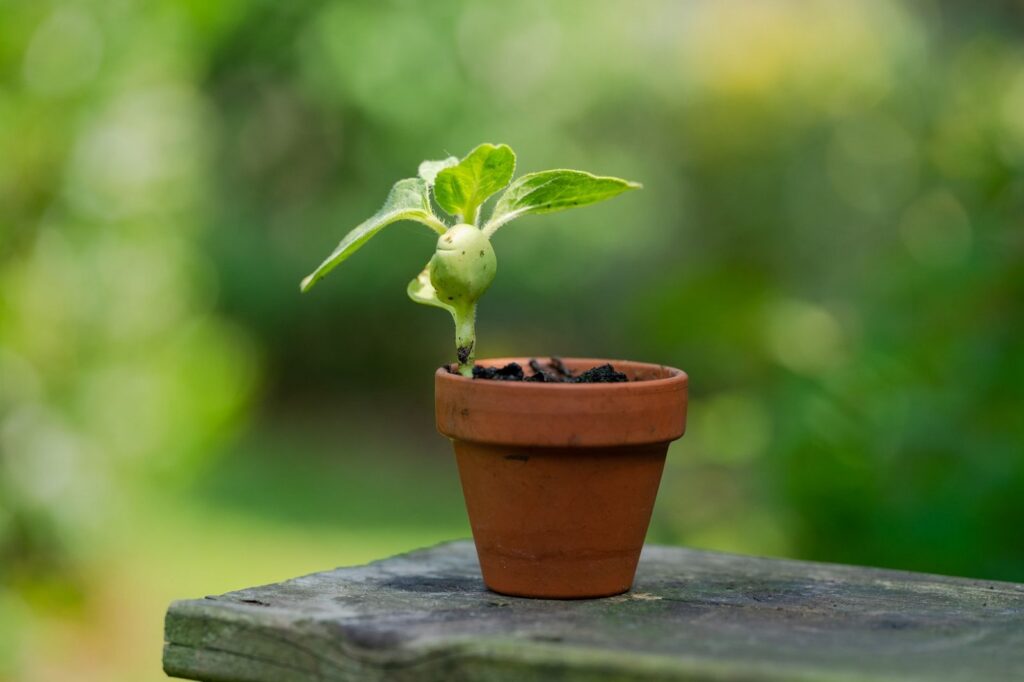
The Tabernanthe iboga, a key species in Gabon’s equatorial forests, holds deep cultural and economic importance. It serves as the foundation for the bwiti initiation rites and is increasingly studied for its potential in treating opioid and cocaine addictions. However, its growing international recognition has also led to unsustainable harvesting practices, threatening wild populations.
To address this, Gabon now mandates prior government approval for any iboga-related activity, including harvesting, processing, transfer, and export. This regulatory framework builds on earlier conservation efforts, including the plant’s designation as a national cultural heritage in 2000. Commercial operations without authorization will face penalties, reinforcing the government’s commitment to sustainable management.
Protecting biodiversity and combating biopiracy
The new measures aim to prevent foreign entities from profiting from Gabon’s iboga without fair compensation to local communities or the state. Clinics in Europe and North America have long marketed ibogaine-based treatments—derived from the plant’s root—at premium prices, often sourcing raw material from Gabon’s forests. The lack of oversight has raised concerns about overexploitation and the risk of biopiracy.
By tightening regulations, Gabon seeks to monitor supply chains, enforce quotas, and ensure compliance with the Nagoya Protocol, which the country has ratified. This aligns with broader efforts in the Congo Basin to safeguard genetic resources. Challenges remain, however, in enforcing these rules across Gabon’s vast and remote forest regions, where illegal trade in non-timber forest products persists.
Balancing tradition and economic value
Beyond enforcement, the new framework aims to structure a formal national iboga industry. Traditional healers, village cooperatives, and industrial players must now navigate a clear administrative process. The challenge lies in protecting dwindling natural populations while capturing the economic value of a plant increasingly sought after by global pharmaceutical research.
Key questions remain unanswered. What criteria will determine who can obtain licenses? Which ministry will oversee applications? How will the rights of communities with deep-rooted bwiti traditions be recognized? The success of this reform hinges on transparent procedures and a balanced approach that reconciles economic interests with conservation imperatives.
For international investors and partners, the message is unambiguous: iboga is no longer a freely accessible resource. Gabon, which has expanded its natural capital initiatives—from carbon credits to forest certification—adds another layer to its ecological sovereignty strategy. The true test will be the government’s ability to allocate the necessary human and technical resources to implement these changes effectively.