Côte d’Ivoire eyes high-speed rail for economic transformation
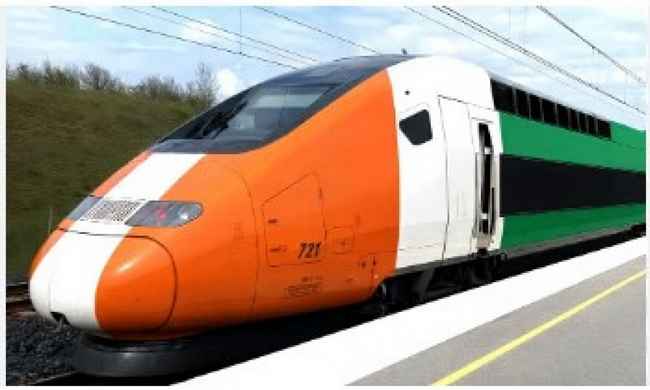
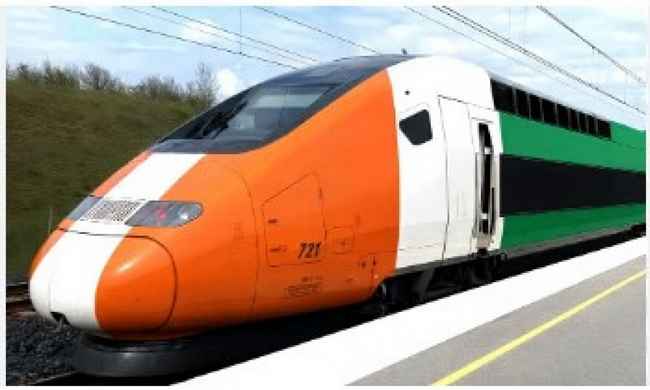
Following Morocco’s launch of its high-speed rail service in late 2018, Côte d’Ivoire is poised to become the second African nation to introduce such advanced train technology. The government of this West African country is actively pursuing the development of a high-speed line designed to link Abidjan, the vibrant economic capital, with Yamoussoukro, the political capital established by former President Félix Houphouët-Boigny in his birthplace. This ambitious project envisions a future rail network spanning 640 kilometers, with the initial segment dramatically cutting travel time between Abidjan and Yamoussoukro to just 45 minutes, a stark contrast to the nearly three hours currently required by road. Beyond these two major cities, the high-speed trains are planned to extend northward, serving other key urban centers such as Bouaké, the nation’s second-largest city, followed by Korhogo and Ferkessédougou.
The proposed high-speed rail initiative is currently undergoing detailed feasibility and funding studies. Its strategic objectives include enhancing Yamoussoukro’s appeal and alleviating congestion in Abidjan, where housing costs remain a significant concern. Locally, the TGV is also seen as a potential asset should Côte d’Ivoire consider bidding to host the FIFA World Cup in 2038. However, the country’s prospects for securing the major sporting event are considered modest, especially given Morocco’s role as an African host for the 2030 tournament.
Driving economic development through enhanced transportation
This high-speed rail project is a cornerstone of the Ivorian government’s extensive €175 billion plan to bolster economic growth, with a primary focus on transportation infrastructure. Led by Prime Minister Robert Beugré Mambé, the initiative is firmly integrated into the National Development Program 2026-2030. Other significant transport undertakings within this program include the new Abidjan metro, slated for completion by 2029, the construction of new roads, and the addition of a thousand kilometers of expressways. Furthermore, plans are in motion for two new airports in San Pedro and Bondoukou, located in the southwest and northeast of the country, respectively. President Alassane Ouattara, who has governed Côte d’Ivoire since 2011, views these transformative projects, including the prospective TGV, as powerful symbols of the nation’s ongoing economic and social modernization.