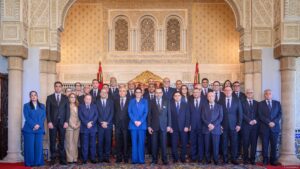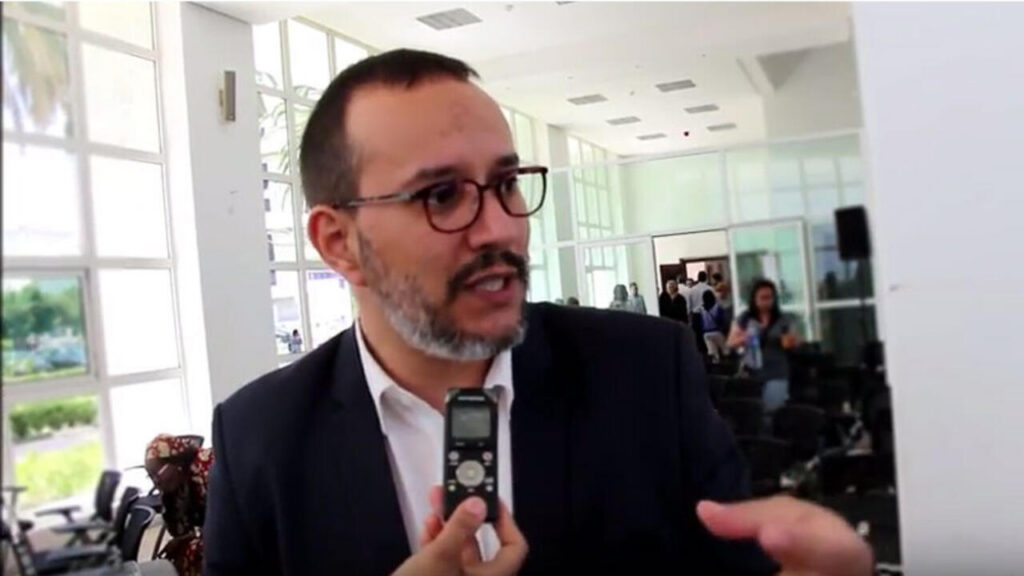
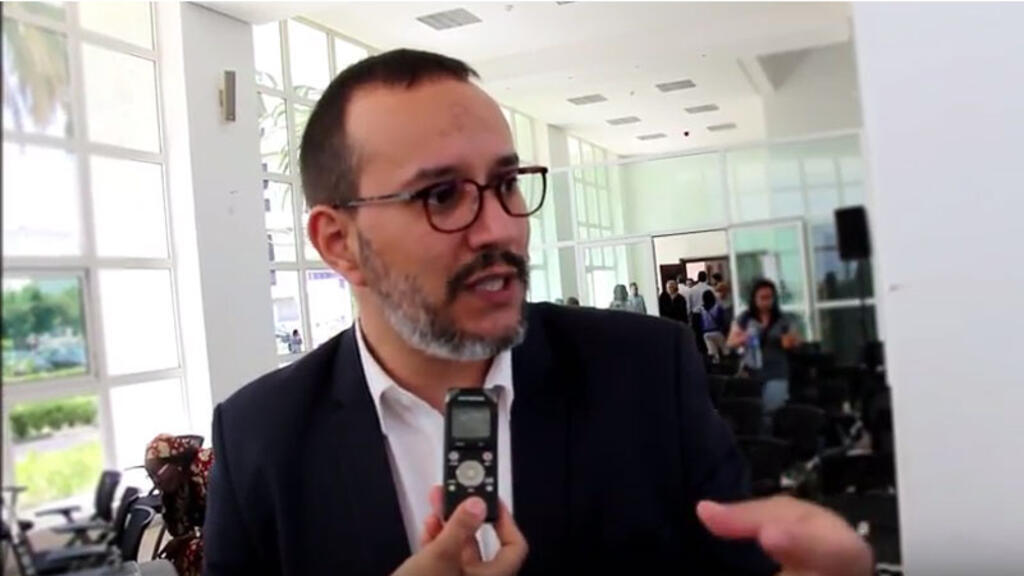
French Prime Minister Sébastien Lecornu arrived in Morocco on Wednesday, July 15, leading a high-profile delegation of twelve ministers. As several agreements are expected to be signed during the visit, the trip also coincides with rising tensions over human rights concerns after Rabat prosecuted a journalist and an artist. Mehdi Alioua, sociologist at the International University of Rabat and holder of the Chair on Migration, Mobility and Cosmopolitanism, shares insights on France-Morocco relations and their impact on Sub-Saharan Africa.
France and Morocco: a subtle competition in Sub-Saharan Africa
Question: In recent years, a subtle competition seems to be unfolding across Sub-Saharan Africa between France and Morocco: wherever Paris loses ground or adjusts its strategy, Rabat steps in with investments and influence. Has Morocco become the unexpected challenger France failed to anticipate in its traditional sphere of influence?
Mehdi Alioua: The answer is nuanced. No, Morocco isn’t a direct rival, because much of its investments are made in collaboration with French companies or aligned with French diplomatic priorities. There’s a strong South-South cooperation that also relies on North-South partnerships through the strong ties between Rabat and Paris. Yet, yes, Morocco has gone further by making fully independent investments while pursuing an independent African policy championed by King Mohammed VI. This strategy is both pragmatic and visionary.
Can Morocco help ease tensions in the Sahel?
Question: Relations between France and the states of the Alliance of Sahel States (AES) have deteriorated, while Morocco’s influence in the region continues to grow. Could Rabat play a role in improving these strained relations?
Answer: Morocco is genuinely committed to playing such a role. I don’t believe the tensions are rooted in the sentiments of the people. The real issue lies in the political sphere. For instance, in Mali, many Franco-Malians feel that relations have deteriorated at the political level. New governments have exploited populist anti-France rhetoric, which is far removed from how Moroccan diplomacy operates.
Morocco’s ties with Sahelian countries are ancient, predating Islam and evolving over centuries. These historical bonds are deeply rooted. Consider the Almoravid dynasty, which gave the French word *marabout* (from *al-mourabitoune*), originating from the Sahel and ruling an empire from Aghmat near Marrakech that stretched from Spain to Guinea and present-day Mali. These millennia-long connections enable Morocco to revive and leverage its diplomatic ties effectively. We are neighbors separated by the Sahara, but we have navigated this vast desert for centuries.
Recent arrests raise concerns over human rights
Question: Recently, Moroccan authorities have arrested prominent critics, including Franco-Moroccan journalist Ali Lmrabet and rapper Mehdi Black Wind. Should this be a cause for concern?
Answer: Whenever journalists or artists face imprisonment, it’s a cause for concern. In these cases, the justice system is conducting its investigations independently. The individuals arrested have the right to defend themselves. The journalist has been released but remains under investigation. The situation regarding the rapper is less clear, but human rights associations and legal defenders in Morocco are mobilizing to support them. The judicial process will ultimately reveal the charges against them. Morocco has made significant progress in human rights over the years, though occasional setbacks occur.
Does Morocco hold the same allure as France in Africa?
Question: Returning to the earlier comparison between France and Morocco, does Rabat today exert the same appeal or attraction on Sub-Saharan Africans as Paris does—or once did?
Answer: No, Morocco does not yet command the same level of attraction as France. However, it is increasingly drawing attention. The Moroccan authorities have made it a clear priority to enhance the country’s appeal, as seen in the substantial investments made for the Africa Cup of Nations. Yet, this effort comes with challenges. While Moroccan youth question the prioritization of stadiums over persistent poverty issues, the continent’s reaction can shift rapidly. A single incident, such as the final match dispute between Morocco and Senegal, can turn public opinion against the country. Statements claiming Moroccan pitches match European standards risk undermining the country’s diplomatic efforts. The reality is complex: Morocco attracts while also provoking skepticism. It will never match France’s allure as long as it remains a lower-middle-income country. Only when Morocco achieves greater economic prosperity and development will it rival—or surpass—France in attracting Sub-Saharan Africans.