Gabon 2027: a bold budget for measurable results
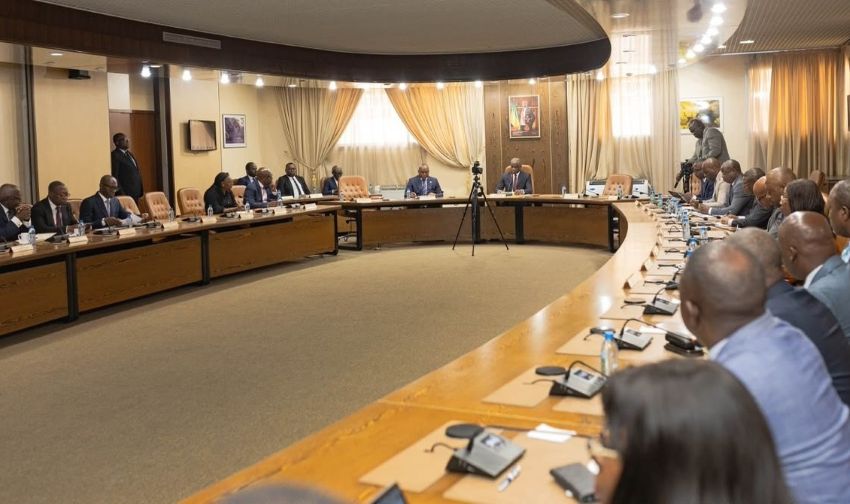
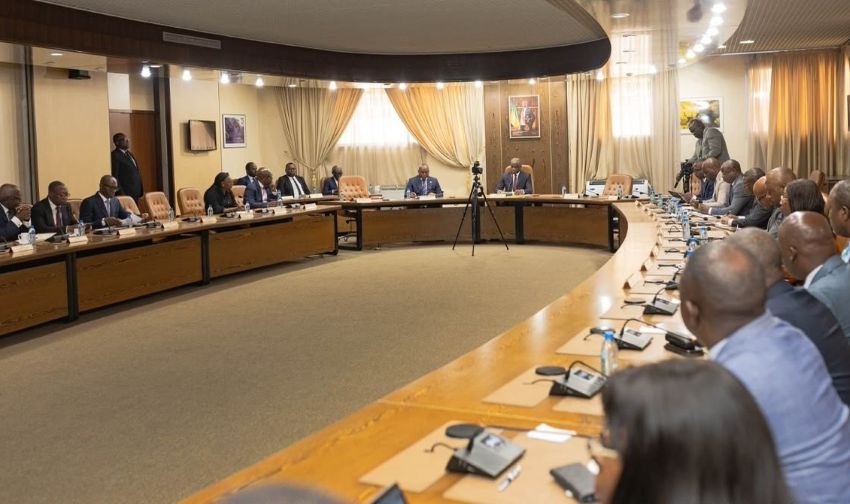
Libreville, July 16, 2026 — Gabon is preparing to launch one of the most ambitious budgetary reforms in its recent history. As preparatory conferences for the 2027 Finance Bill begin, the government is not merely initiating another annual accounting exercise. It is signaling a decisive break from decades of administrative management focused on spending funds rather than evaluating outcomes.
The message to government agencies is unambiguous: budgets can no longer be mere envelopes for routine operations. Every franc allocated must now yield tangible benefits—whether in infrastructure development, public services, employment creation, or economic growth. In a region where public spending efficiency remains a persistent economic concern, Gabon is positioning its budget as a key driver of national transformation.
The end of automatic budgeting
The reform rests on a fundamental yet groundbreaking principle in many African administrations: public spending will no longer be justified by historical precedent but by its ability to deliver concrete results. New performance benchmarks now include completed roads, built schools, reliable electricity access, job creation, business support, and revenue growth. These will replace outdated measures of administrative activity.
The shift also aims to eliminate long-criticized practices such as automatic budget rollovers, poorly documented expenditures, and revenues that bypass the national Treasury. Agencies must now submit fully substantiated proposals with clear objectives. Public agencies must account for all generated revenues and integrate them into state finances to enhance transparency and fund traceability.
For international partners, this transition sends a strong signal in an era where fiscal governance quality increasingly determines economic credibility.
Ambitious growth targets under scrutiny
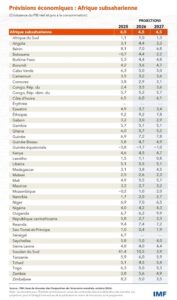
The government forecasts 5.1% growth in 2027, up from an estimated 4% this year. This acceleration is expected to stem from public and private investments, particularly in productive sectors. Notably, the budget projections assume conservative oil price assumptions—a deliberate move to reduce exposure to global energy market volatility.
Manganese, processed wood, and palm oil have been identified as key growth drivers. This reflects a long-stated ambition to diversify the economy, pursued with renewed institutional commitment. Yet the challenge is substantial: few oil-producing nations have successfully reduced hydrocarbon dependence without profound reforms in economic models and public governance.
Balancing fiscal discipline with social needs
The budget process unfolds as Gabon engages in discussions with the International Monetary Fund. Authorities have sought to reassure the public on one critical point: fiscal consolidation must not come at the expense of citizens.
Social spending will be safeguarded, particularly in water access, electricity, health, education, and support for vulnerable households. Six priority areas have already shaped ongoing budget decisions: water and energy services, youth entrepreneurship, infrastructure, housing, social justice, sustainable development, and institutional strengthening.
The equation remains complex. Scarce resources must meet immense social expectations. The true test of the 2027 budget will not lie in parliamentary approval but in the state’s ability to convert allocated funds into visible improvements for citizens. Schools functioning better, reliable utilities, expanded opportunities for youth, and real infrastructure development will determine success. Should these goals not materialize, the “results-based budget” may become another unfulfilled reform in Africa’s history. The year 2027 could mark a turning point for Gabon’s economic governance—or a cautionary example for others.