Five years after Mali’s coup: a bleak outlook for the nation
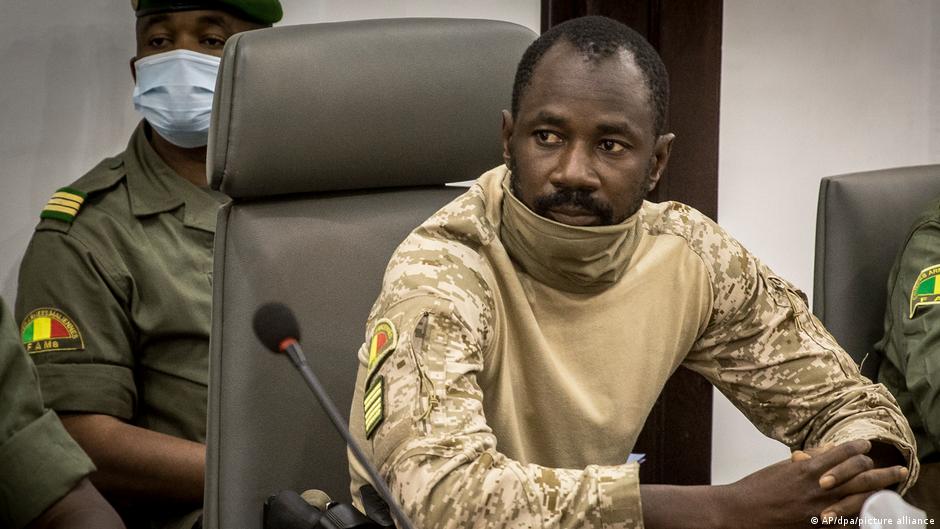
Five years ago today, Mali witnessed a watershed moment when General Assimi Goïta orchestrated a military takeover, ousting the civilian government. The intervening years have been marked by escalating challenges, with widespread concerns over shrinking civic freedoms, stifled press freedoms, and a worsening security crisis gripping the nation.
Restrictions on freedom and political dissent
The post-coup landscape in Mali has been characterized by a sharp decline in public expression. While candid discussions still occur among trusted circles, the climate of fear has intensified. Critical voices have faced imprisonment, while others have fled into exile, leaving a void where open debate once thrived. This repression underscores a growing discontent with the current leadership.
Security challenges and jihadist control
Despite the military junta’s pledge to eradicate jihadist groups, the reality on the ground tells a different story. The Group for the Support of Islam and Muslims (JNIM) and the Islamic State in the Greater Sahara continue to exert control over vast swathes of the country. Recent coordinated attacks in late April, involving both jihadists and Tuareg rebels, marked the largest assault since 2012. Though the government managed to retain control, the loss of territory in the north dealt a severe blow to national prestige.
Efforts by Russian mercenaries—once touted as a solution to Mali’s security woes—have yielded little success. Their hasty withdrawal from key northern cities like Kidal, without engaging in combat, exposed the limitations of their presence. Similarly, neighboring Sahel states like Niger and Burkina Faso, despite their shared alliance with Mali, provided minimal military support, citing their own jihadist threats.
Regional solidarity under strain
The Alliance of Sahel States (AES), formed by Mali, Niger, and Burkina Faso, has struggled to translate political solidarity into tangible action. While the three military regimes share ideological alignment, their economic constraints and security challenges have hindered meaningful cooperation. The harsh realities of poverty and survival take precedence over collective defense pacts.
Public sentiment and the path forward
Public opinion in Mali remains deeply divided. While disillusionment with the junta is palpable, there is also a stark aversion to the alternatives. Many citizens fear the imposition of strict Sharia law by jihadist groups or a return to the corrupt governance of previous civilian administrations, often linked to former colonial powers. This fear has, for now, cemented support for the current military leadership.
Demographic realities further complicate the picture. With a median age of just 15 years, a significant portion of the population has limited access to education and relies on social media for information. This digital landscape is rife with propaganda, including disinformation campaigns allegedly propagated by foreign actors to bolster the junta’s image.
Despite recent setbacks, experts suggest that a combination of military pressure and dialogue with moderate factions within jihadist groups may offer a glimmer of hope. The example of Mauritania, which addressed similar challenges through a mix of force and compromise, is often cited. While the path to stability is fraught with obstacles, the possibility of incremental progress cannot be dismissed outright.
As Bamako grapples with the fallout from recent attacks and an escalating fuel blockade, the resilience of the Malian people is being tested like never before. Yet, amid the turmoil, one truth remains: the majority of citizens reject both jihadist rule and the failures of the past. For now, they cling to the hope that the current regime, flawed as it may be, offers the least of all evils.