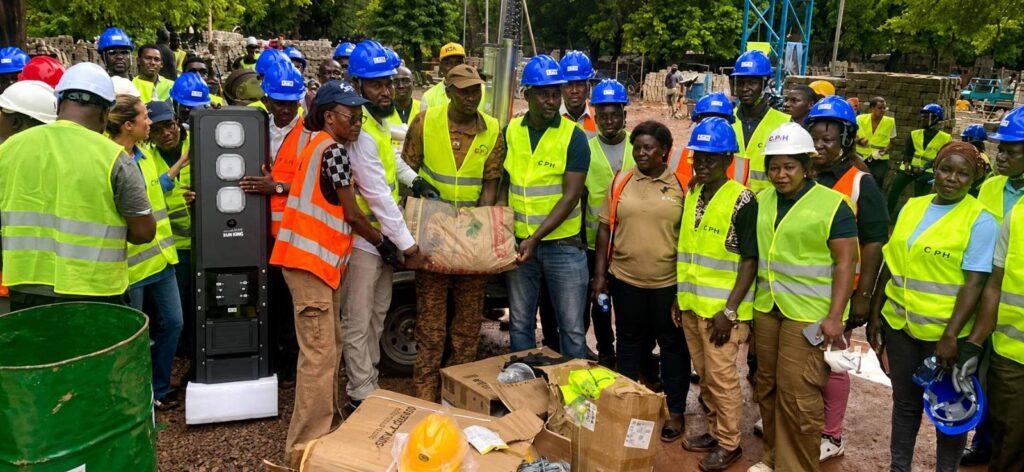
Faso Mêbo: A patriotic drive or a subtle form of double taxation?
With officials proudly announcing over 261 million FCFA mobilized by mid-May 2026 under the Faso Mêbo initiative, a growing number of voices are questioning whether this latest public appeal truly reflects genuine national pride or masks a more troubling reality. At the heart of the debate lies a fundamental issue: can a voluntary contribution, however well-intentioned, justify diverting resources when existing fiscal obligations already place a heavy burden on citizens?
When patriotism meets fiscal responsibility
Burkina Faso’s taxpayers have long demonstrated remarkable civic spirit, consistently meeting their tax obligations despite soaring inflation and persistent security challenges. These contributions fund essential services such as national defense, infrastructure development, and public utilities. Yet, the emergence of voluntary fundraising initiatives like Faso Mêbo raises a critical question: why should citizens pay twice for the same services?
Critics argue that such campaigns exploit public goodwill, framing financial contributions as acts of patriotism while sidestepping the state’s core responsibility to allocate existing tax revenues effectively. The initiative, they contend, is less about solidarity and more about masking gaps in public financial management.
Transparency concerns overshadow voluntary efforts
The Faso Mêbo platform, designed to channel public generosity, operates outside the official national budget framework. While the initiative’s organizers highlight its digital and inclusive nature, skeptics warn that this lack of integration with established fiscal mechanisms fuels distrust. Citizens are already fulfilling their civic duties through taxes; additional appeals, they argue, risk normalizing a culture of perpetual fundraising that undermines public trust in governance.
For many, the solution lies not in sporadic voluntary contributions but in a robust, transparent, and accountable use of the tax revenues already collected. A well-managed national budget, they assert, would eliminate the need for parallel financial drives and restore confidence in how public funds are utilized.
The Faso Mêbo debate is more than a fiscal technicality—it underscores a deeper societal question: Can national development truly thrive when citizens are repeatedly asked to give beyond their legal obligations?
What the future holds for Faso Mêbo
As discussions intensify, pressure mounts on authorities to clarify the initiative’s purpose, mechanisms, and long-term impact. Will Faso Mêbo remain a symbol of collective resilience, or will it be seen as a symptom of systemic inefficiencies? One thing is certain: the people of Burkina Faso deserve clarity, accountability, and a sustainable path to progress—one that doesn’t rely on perpetual appeals to their generosity.