The Sahel region is witnessing a deepening crisis, with Mali at its core and spillover effects stretching from the Atlantic coast to the borders of Nigeria. Recent developments have exposed the fragility of regional stability, as armed factions exploit ungoverned spaces and socio-economic grievances to expand their influence. The situation demands urgent attention from policymakers, regional bodies, and international partners to prevent further fragmentation.

the roots of instability in the Sahel
The current crisis in the Sahel is not an isolated phenomenon but the result of decades of unaddressed structural weaknesses. Weak governance, porous borders, and the proliferation of small arms have created fertile ground for extremist groups to thrive. In Mali, the withdrawal of international forces has left a security vacuum, which jihadist factions are exploiting to consolidate control over rural areas. Meanwhile, neighboring countries like Burkina Faso and Niger face similar challenges, with cross-border attacks becoming increasingly frequent.
the role of armed factions in the Sahel
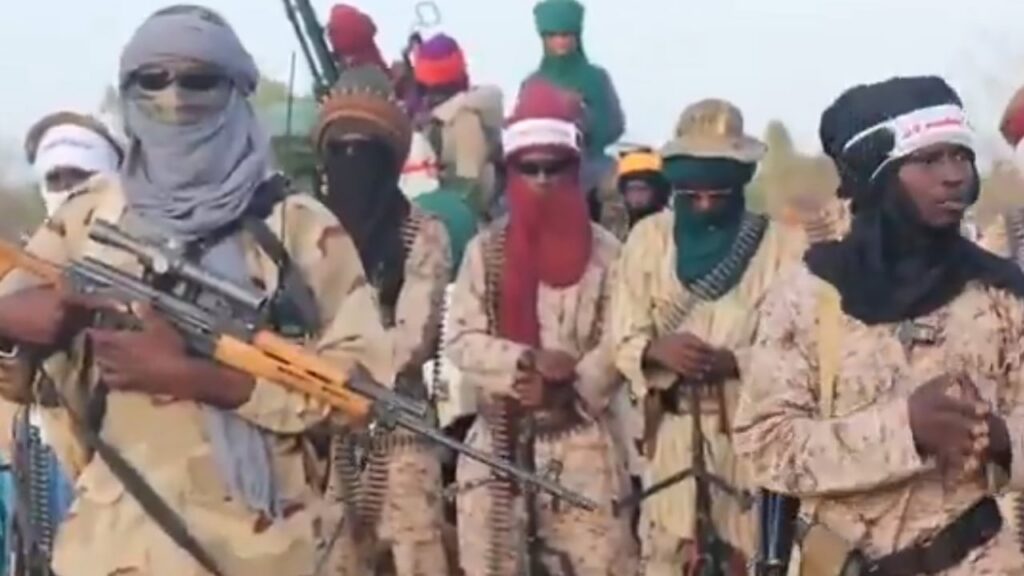
Extremist groups operating in the region have evolved beyond traditional insurgencies. The Jama’at Nusrat al-Islam wal Muslimin (JNIM) and the Islamic State in the Greater Sahara (ISGS) have demonstrated sophisticated organizational capabilities, blending ideological indoctrination with local grievances. Their propaganda campaigns, often disseminated through social media, have succeeded in recruiting disillusioned youth from marginalized communities. The recent release of a video by JNIM in June 2026 underscores their growing boldness and the challenges faced by security forces in countering their influence.
regional fragmentation and the shifting security landscape
The Sahel’s security landscape is becoming increasingly fragmented, with each country adopting divergent strategies to address the threat. Some governments have turned to military alliances, such as the G5 Sahel, while others have pursued unilateral approaches, often with limited success. The withdrawal of international partners, including former colonial powers, has further complicated efforts to stabilize the region. In Mali, the junta’s decision to sever ties with external security partners has left the country more vulnerable to attacks, while Burkina Faso grapples with internal displacement crises and Niger faces economic sanctions that exacerbate its fragility.
economic and humanitarian consequences
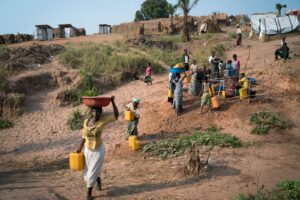
The escalation of violence has taken a severe toll on civilian populations. Entire communities have been displaced, agricultural production has plummeted, and access to basic services such as healthcare and education has been severely disrupted. In the border regions between Mali, Burkina Faso, and Niger, food insecurity is reaching alarming levels, with aid organizations struggling to deliver assistance due to ongoing clashes. The humanitarian crisis is further compounded by climate change, which has intensified desertification and reduced arable land, forcing rural populations into increasingly desperate conditions.
what lies ahead for the Sahel?
The path to stability in the Sahel will require a multifaceted approach that addresses both immediate security concerns and long-term development challenges. Regional cooperation remains critical, but trust between governments is at an all-time low. International support, while essential, must be carefully calibrated to avoid exacerbating local tensions. Civil society organizations and grassroots initiatives hold promise, but their impact is often limited by the scale of the crisis. Without decisive action, the Sahel risks descending into a prolonged state of chaos, with far-reaching consequences for West Africa and beyond.