The Argentine government has formally requested Morocco’s backing for the candidacy of Rafael Grossi to succeed António Guterres as Secretary-General of the United Nations. This diplomatic outreach unfolded during the eighth joint commission meeting and sixth political consultations between Argentina and Morocco, held on June 11 in Buenos Aires.
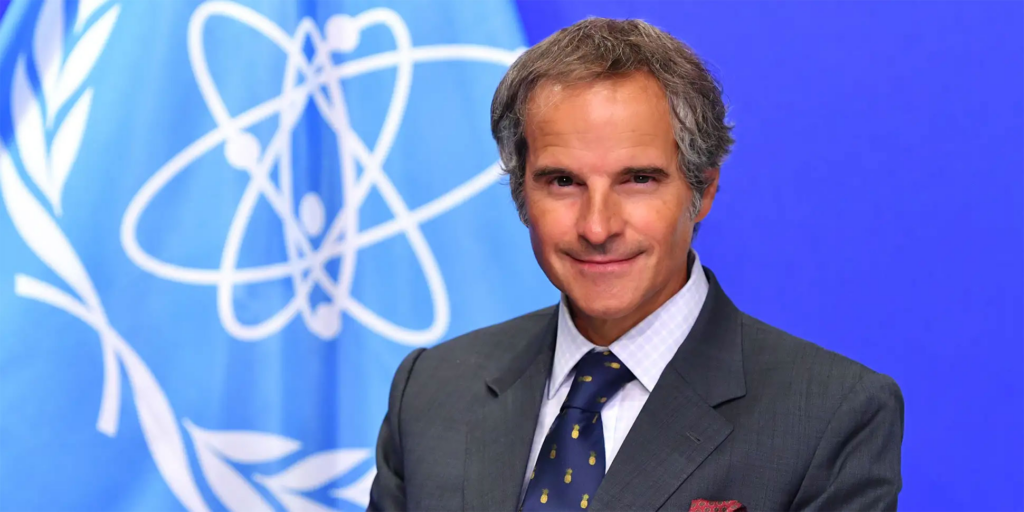
Under President Javier Milei, Argentina aims to position Grossi—current Director General of the International Atomic Energy Agency (IAEA)—as a strong candidate for the UN’s top role. The move reflects a strategic effort to secure Morocco’s support, given the kingdom’s influential voice in African and multilateral forums, which could significantly bolster Grossi’s prospects beyond bilateral relations.
The Argentine delegation, led by Roberto Salafia, Undersecretary for International Economic Negotiations and Integration, and Juan Manuel Navarro, Undersecretary for Foreign Policy, engaged in talks with Morocco’s delegation, headed by Fouad Yazourh, Director General of International Political Affairs at the Moroccan Ministry of Foreign Affairs. Discussions covered bilateral relations, global issues, and potential areas for deeper cooperation.
Buenos Aires framed Grossi’s candidacy as «a cornerstone of Argentina’s diplomatic priorities within the multilateral system, backed by a leader experienced in navigating international crises, fostering dialogue among global powers, and mastering the workings of international organizations.» The push for Moroccan support marks a key phase in Argentina’s campaign, as securing a recommendation from the UN Security Council—and later endorsement from the General Assembly—requires cross-regional alliances.
Morocco’s strategic role in the race for the UN’s top job
Since assuming leadership of the IAEA in 2019, Rafael Grossi has built an international reputation for his handling of nuclear safety in conflict zones, negotiations on Iran’s nuclear program, and efforts to safeguard Ukraine’s nuclear facilities during the Russia-Ukraine war. Argentina announced Grossi’s candidacy in late 2025 and has since been rallying support from governments across multiple continents.
Morocco’s selection as a priority partner reflects a calculated diplomatic move. The kingdom’s active participation in global institutions, strong ties across Africa, and diplomatic engagement with major global players position it as a crucial ally. Argentine officials argue that «Moroccan endorsement could enhance Grossi’s credibility in Africa and help secure pivotal votes within the Security Council and General Assembly.»
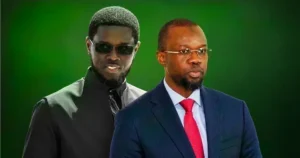
The competition includes several high-profile candidates, such as former Chilean President Michelle Bachelet (backed by Brazil), Costa Rican Rebeca Grynspan (UNCTAD Secretary-General), Ecuadorian María Fernanda Espinosa, and former Senegalese President Macky Sall. With multiple contenders in the race, Argentina must build support far beyond its regional sphere to secure Grossi’s path to the UN’s top post.
Argentina highlights Grossi’s unique profile, emphasizing his technical expertise and political acumen in managing high-stakes nuclear diplomacy, proliferation challenges, and armed conflicts. Buenos Aires describes him as «a diplomat capable of engaging with global powers, maintaining dialogue during periods of tension, and restoring the UN’s political influence.»
Morocco holds a distinctive position in this strategy. Its influence in the Maghreb, deep connections across Africa, active role in multilateral bodies, and partnerships with Europe, the United States, and Global South nations make it a highly sought-after partner. Rabat’s backing would provide Argentina with a critical political foothold in a region where vote consolidation could prove decisive.
A flourishing partnership beyond diplomacy
The Buenos Aires meetings also delved into economic collaboration. Bilateral trade between Argentina and Morocco reached $1.092 billion in 2025, making Morocco the second-largest African export market for Argentine goods. Delegations explored ways to expand trade in high-value products and identify new areas of cooperation.
Key sectors discussed included agriculture, energy, healthcare, tourism, food safety, and air connectivity. Officials emphasized «the need to strengthen trade structures, align regulatory frameworks, and launch joint initiatives in sectors where both economies can immediately complement each other.»
For Argentina, Morocco serves as both a vital market and a gateway to Africa, while also offering a strategic political partner. Argentina sees opportunities in Morocco’s automotive, fertilizer, aeronautics, and textile industries, which could facilitate trade agreements, technical collaborations, and greater Argentine corporate presence in the region. Meanwhile, Morocco views Argentina as a key supplier of agricultural products and a potential bridge to deeper ties with South America.
Discussions also addressed sanitary conditions for agro-food exports, energy expertise exchanges, and the establishment of direct air links to reduce the commercial and diplomatic distance between the two continents. The Argentine delegation underscored that «the relationship with Morocco now transcends trade, offering a platform for political coordination on global balances, South-South cooperation, and amplifying the voice of developing nations in world institutions.»