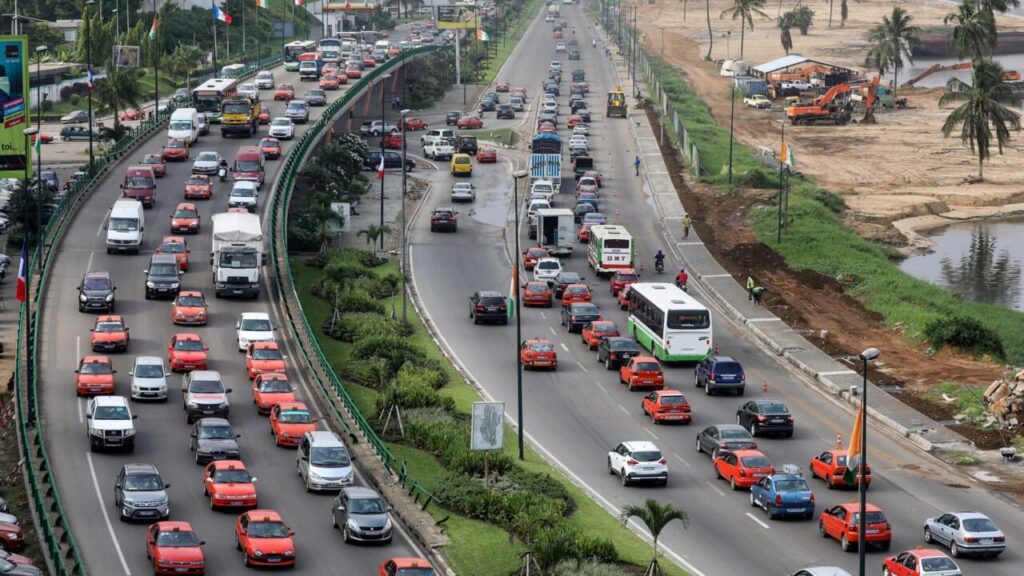
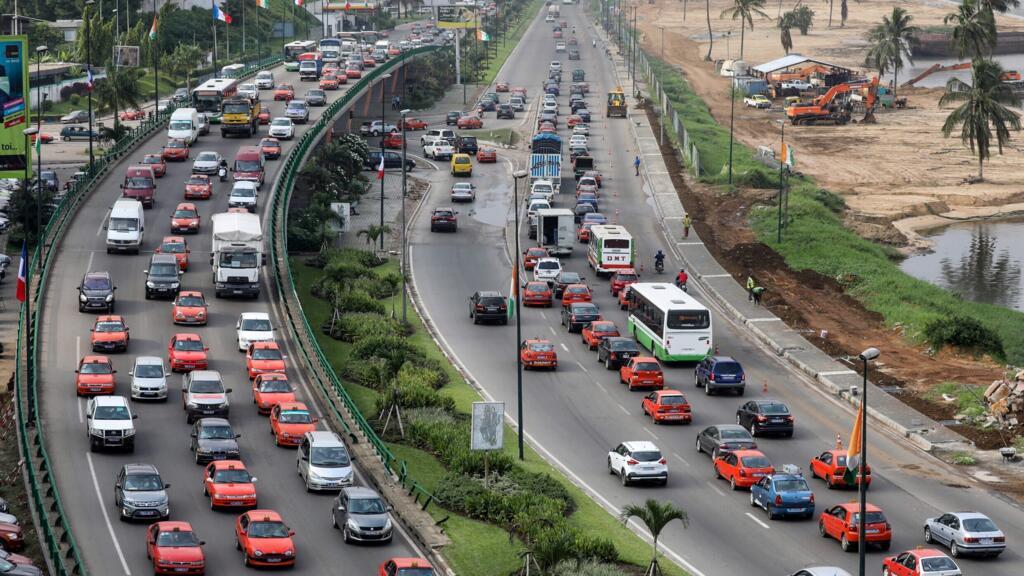
The Ivory Coast is witnessing a notable shift in its urban mobility landscape, with electric vehicles (EVs) rapidly gaining traction in the VTC (ride-hailing) sector. Over a thousand EVs are already navigating the streets of Abidjan, offering drivers a quieter, more cost-effective alternative to traditional combustion engines.
For VTC drivers like Mouhamed Kanaté, the transition to electric has been transformative. A certified accountant turned ride-hailing professional, he now completes his daily routes in an EV, reducing his operational costs significantly. “Unlike petrol-powered cars, where refueling can cost a minimum of 20,000 FCFA, an electric vehicle’s maximum charge costs just 13,000 FCFA,” he explains. “This allows me to keep more of my earnings to support my family while maintaining profitability.”
The financial appeal is clear: daily revenues of 28,000 FCFA are standard for many VTC drivers in Abidjan, with EVs offering a competitive edge in sustainability and affordability.
challenges ahead for electric mobility in ivory coast
Despite the growing adoption, several hurdles remain. The initial purchase price of an EV—often exceeding 14 million FCFA—poses a barrier for many drivers. Infrastructure is another concern; the country currently has only about a hundred charging stations nationwide. “Maintenance is also a challenge,” says Kanaté. “Spare parts are scarce, as most EVs are imported, limiting repair options.”
The government’s commitment to green mobility is evident, with plans to assemble EVs locally and introduce incentives to attract investors. “Our investment code includes several incentives to promote EV adoption,” notes Jean-Marc Atché, Director of Planning and Projects at the Ministry of Transport. “One major project involves setting up an assembly plant in Ivory Coast, which will significantly boost local production.”
future outlook: a greener urban transport system
The Ministry of Transport is targeting 10% of government fleet vehicles to be electric by 2030, signaling a broader push toward sustainable urban mobility. Dealers like Sinoafrik, a key distributor of Chinese EV brands, are responding to demand by expanding their showroom offerings in Abidjan’s Cocody district. “We’ve seen a shift from curiosity to genuine demand,” says Reine Trésor Gosset, a sales representative. “Compact cars and VTC models are particularly popular.”
With growing awareness of environmental and economic benefits, the EV sector in Ivory Coast is poised for further expansion, though challenges in infrastructure and affordability must be addressed to fully realize its potential.