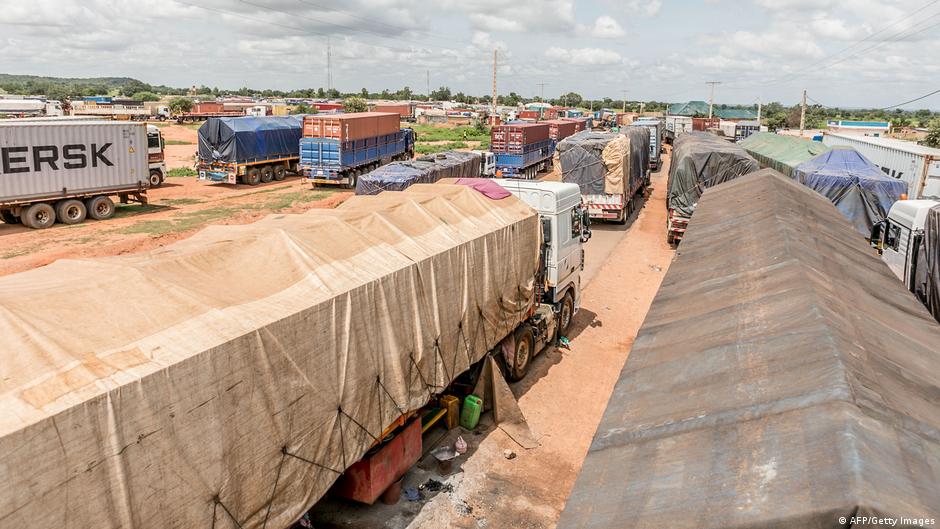
Businesses and transporters in Niger are still grappling with the lingering economic fallout from the prolonged closure of the border with Benin, which has been in place since the military takeover on July 26, 2023.
While traders and haulage firms attempted to pivot to alternative routes—most notably through Nigeria—the shift has proven costly, time-consuming, and far from risk-free. The detour has led to substantial financial losses and a noticeable slowdown in trade activity.
Nigeria as a makeshift route
For years, the Benin-Niger corridor served as a vital trade artery, supplying Niger with essential goods and materials. Its closure left a void that traders were forced to fill through the Nigerian border, a longer and more expensive workaround that introduced new logistical and security challenges.
“The impact has been all-encompassing—emotionally, commercially, and financially. We initially tried rerouting through Nigeria, but the risks were significant. Now, we’re left hoping for a return to normalcy.”
Yacouba Dan Maradi, a prominent economic operator in Niger, reflects on the harsh realities faced by businesses since the border shutdown.
Transport sector under severe strain
Hauliers transporting fuel and other critical supplies have borne the brunt of the border closure. Delivery delays have skyrocketed, pushing operational costs higher and squeezing profit margins to unsustainable levels.
Mody Hassane, general secretary of the Nigerien fuel transporters’ union, paints a grim picture: “The border closure has crippled our industry. Before, drivers could complete two to three trips in a month. Now, a single journey can take two to three months—barely covering costs, let alone turning a profit.”
Economic ripple effects
With logistics expenses surging and cross-border trade grinding to a halt, Niger’s economy continues to suffer the consequences. The prolonged disruption has dampened trade flows, disrupted supply chains, and left businesses struggling to regain their footing.
Traders and transporters alike are now pinning their hopes on a lasting resumption of trade between Niger and Benin, a move they believe is essential to restoring economic momentum and reviving the flow of goods.