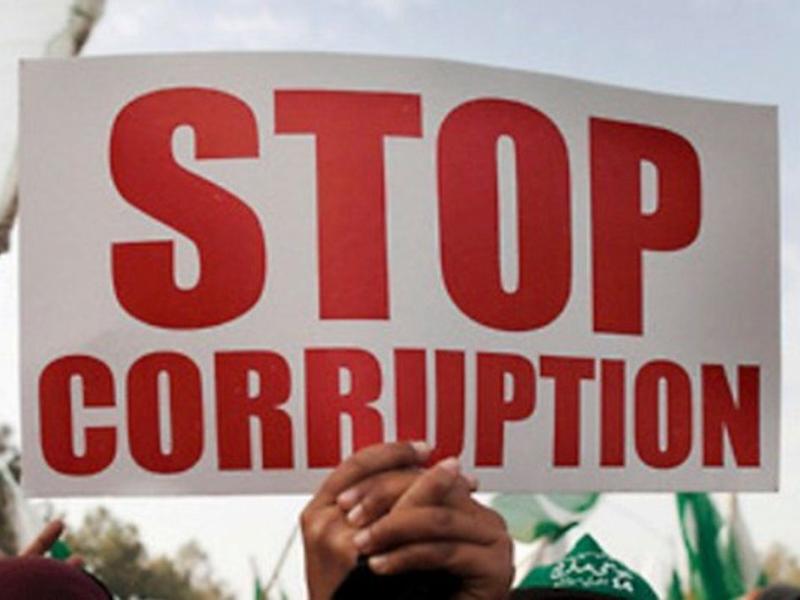
The Democratic Republic of Congo, consistently ranked among the most corrupt nations worldwide on the Corruption Perceptions Index, appears to be turning a new page in its fight against graft since gaining independence.
While past anti-corruption efforts often remained limited to political rhetoric and promises, the government has now taken concrete action by reviewing and adopting a comprehensive anti-corruption bill.
Presented to the Council of Ministers on Friday, June 26, 2026, on behalf of Minister of Justice Guillaume Ngefa—who was on a mission—by Minister of Vocational Training Marc Ekila, the bill aims to strengthen the national legal framework against corruption and related offenses.
Based on Articles 67, 122.6, 123, and 215 of the DRC Constitution, the proposed law seeks to expand the scope of prevention and repression mechanisms. According to the presentation to the Council, it aims to ‘strengthen the fight against corruption and related offenses’ while ensuring ‘the broadest possible extension of the scope’ of the measures.
“This text aims to reinforce the fight against corruption and related offenses and ensure the widest possible scope of application. It strengthens the deterrent function of penalties and revolves around three major pillars: prevention, detection, and repression procedures.”
Innovations include the integration of international cooperation and illicit asset recovery, seen as crucial in dismantling corruption networks and reclaiming stolen public resources. The bill also mandates private sector companies to establish internal anti-corruption compliance systems.
“This bill innovates by including international cooperation and asset recovery as critical steps. It also obligates private companies to set up anti-corruption mechanisms internally and prohibits opaque accounting practices.”
Through this reform, the government aims to modernize the Congolese legal framework and strengthen transparency, accountability, and good governance in public and private affairs. Following adoption by the government, the bill will be forwarded to Parliament for consideration. It must then be approved by the National Assembly and the Senate before being promulgated by the President.
Since President Félix Tshisekedi came to power, efforts have included revitalizing the General Inspectorate of Finance, the Court of Auditors, and other state oversight bodies. However, many observers note these measures remain insufficient given the scale of corruption in Congolese society. Various organizations and economic experts have called for a comprehensive anti-corruption law—a demand now being addressed.