drc constitutional changes spark opposition protest fears
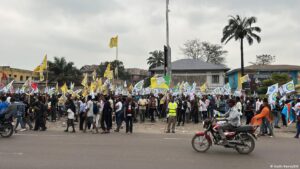
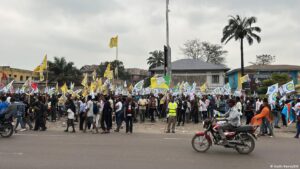
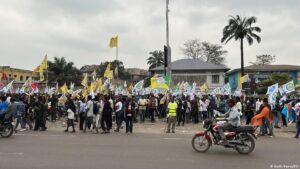
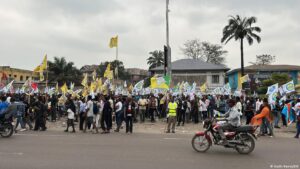
While the government views the constitutional court’s decision as a legal milestone, opposition leaders condemn it as a dangerous overreach and vow to escalate their resistance. Many now fear this could intensify political strife across the nation.
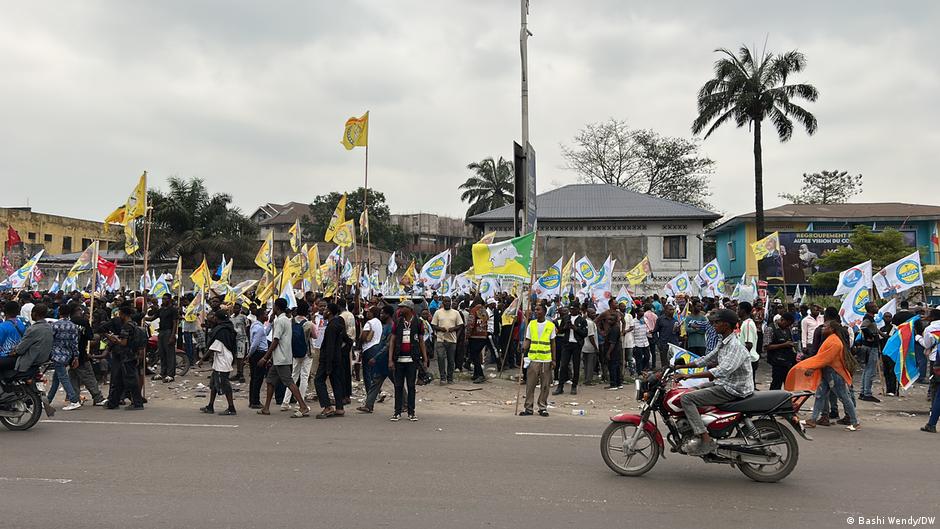
The Article 64 coalition strongly opposes the court’s ruling, which they argue paves the way for constitutional amendments they vehemently oppose. Their spokesperson, Prince Epenge, has urged citizens to stay vigilant.
“We will not back down,” Epenge declared. “We will unite our strength and energy to ensure this law never takes hold in our country.”
He emphasized the public’s growing anger, urging people to “stand tall, stay mobilized, and firmly reject any attempt at a third term or national division.”
residents of Kinshasa voice concerns
As coalition leaders convened in Kinshasa on Wednesday evening to finalize their strategy, locals expressed growing anxiety about the potential for fresh unrest. Many dread the possibility of protests disrupting daily life and escalating into violence.
“Will their protests remain peaceful?” asked one resident, stressing the need to “avoid any loss of life.”
Another resident warned, “This decision could push the already tense political climate in the DRC toward further instability.”
One local went further, accusing the government of deliberately stirring unrest: “The real troublemaker today is the sitting government. It routinely mobilizes people to disrupt opposition marches.”
A third resident expressed concern for ordinary citizens, stating, “The real victims will be the people when protests erupt.”
political dialogue at risk
Timo Roujean, an analyst with the Konrad Adenauer Foundation, warns that swift enactment of the law could harden political divisions. He cautions that if President Félix Tshisekedi signs the legislation before August 15, it could derail ongoing efforts to foster dialogue and embolden factions advocating confrontation.
“If the law is promulgated before mid-August, all dialogue initiatives could collapse,” Roujean stated. He added that in an already strained political environment—where talk of a constitutional coup is growing—this court ruling risks fueling arguments that armed resistance is the only way to oppose the government.
The constitutional court’s decision has not resolved the conflict. With the presidential camp now armed with a legal framework and an opposition determined to block constitutional changes, the coming weeks will be pivotal in shaping the DRC’s political future.