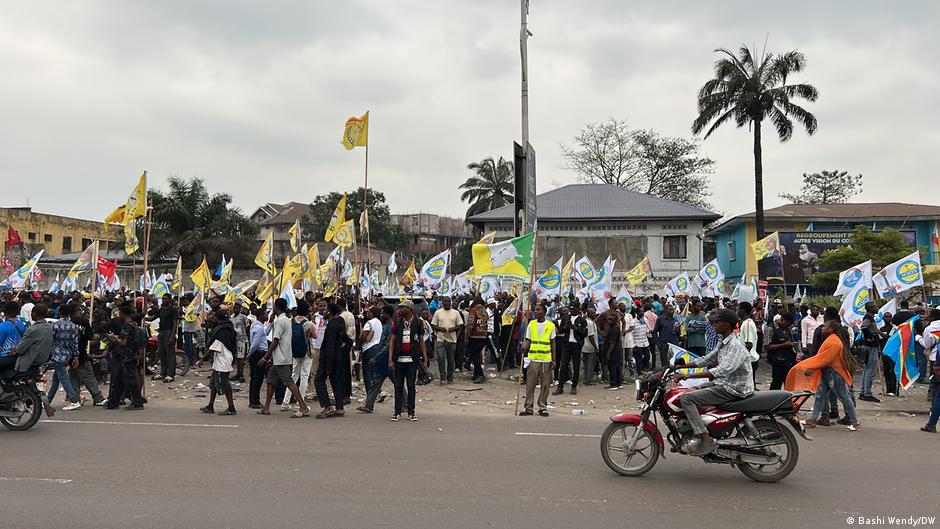
The approval of the referendum organization law by the Constitutional Court has reignited fierce debates across the Democratic Republic of the Congo. While the government views this as a procedural milestone, opposition factions warn of a dangerous precedent that could lead to constitutional amendments, sparking fresh tensions.
The Article 64 coalition has strongly condemned the ruling, calling it a deliberate attempt to extend presidential mandates. Spokesperson Prince Epenge issued a bold statement, urging citizens to remain vigilant and resist any attempts to alter the Constitution.
“We will not back down. We will pool our strength and energy to ensure this law never takes effect in our country,” he declared. “The people are enraged. They must stand firm, united, and resolute in rejecting a third term and the fragmentation of our nation.”
Fear grips Kinshasa amid rising political tensions
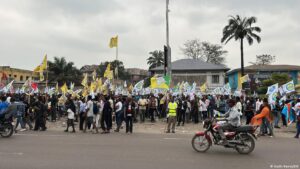
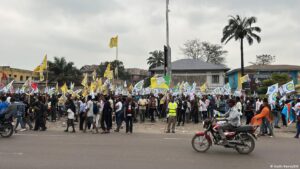
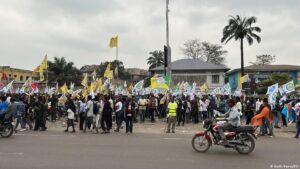
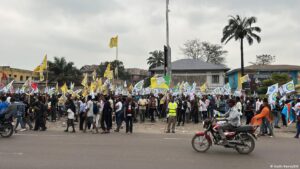
As opposition leaders gathered in Kinshasa to strategize their next moves, residents expressed growing unease over the potential for renewed unrest. Many fear that protests could escalate into violence, disrupting daily life and putting lives at risk.
“Will their demands be pursued peacefully?” wondered one resident, emphasizing the need to “avoid any loss of life.”
Another local resident shared similar concerns, stating, “The political climate in the DRC could spiral out of control following this decision.”
Some citizens even accused the ruling power of “stirring up trouble”, alleging that authorities often deploy provocateurs to sabotage opposition marches.
“The real victims will be the people,” one resident warned. “They are the ones who suffer when protests turn violent.”
Constitutional changes risk derailing political dialogue
Political analyst Timo Roujean of the Konrad Adenauer Foundation cautioned that a swift presidential endorsement of the law could severely undermine ongoing dialogue efforts. He stressed that if President Félix Tshisekedi signs the bill before August 15, it would likely be seen as a rejection of reconciliation, fueling extremist rhetoric.
“A hasty promulgation risks nullifying all progress toward dialogue,” he noted. “In an already tense climate, where some already speak of a constitutional coup, this court decision further empowers those advocating armed resistance as the only means to oppose the government.”
The Constitutional Court’s ruling has not resolved the standoff. With the presidential camp now armed with a legal framework and the opposition digging in its heels to block any constitutional reforms, the coming weeks will be critical in determining the trajectory of the DRC’s political crisis.