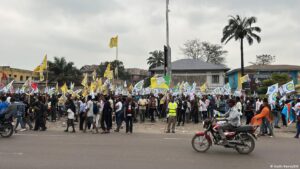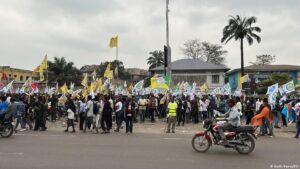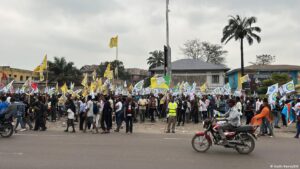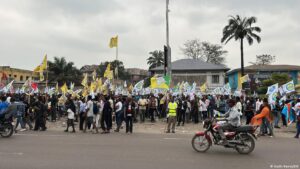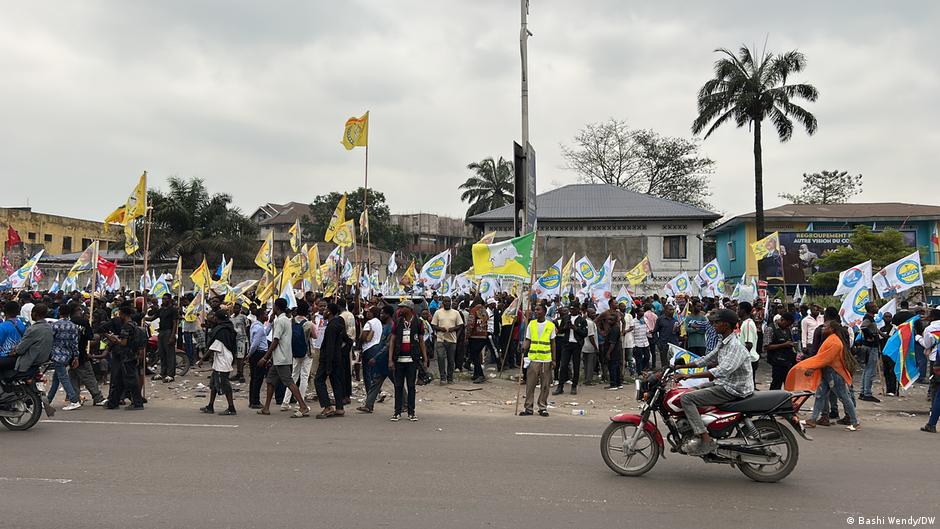
The decision by the Constitutional Court to uphold the law governing the organization of a referendum has reignited fierce debates in the Democratic Republic of the Congo. While the government views this as a legal milestone, opposition factions see it as a dangerous step toward constitutional reform—and they are vowing to keep up the pressure.
The coalition Article 64 has strongly condemned the ruling, warning it paves the way for a constitutional amendment that would allow a third presidential term. Prince Epenge, a spokesperson for the coalition, made it clear: “We will not back down. We will pool our strength and energy to ensure this law never takes effect in our country.”
Epenge went further, urging citizens to “stand firm, stay united, and firmly reject the third term and any attempt at division.”
Fears rise among residents in Kinshasa
As leaders of Article 64 gathered to plot their next move, residents in the capital expressed deep concerns about the potential for escalating unrest. Many worried that renewed protests could disrupt daily life—or worse, spiral into violence.
“Can we trust that their protests will remain peaceful?” asked one resident, emphasizing the need to avoid “loss of life at any cost.”
Another resident echoed those fears, saying, “I’m afraid this decision could push the political climate in the DRC over the edge.”
Some citizens also accused the government of deliberately stirring up trouble: “The real source of instability right now is the ruling power. They often deploy people to disrupt opposition marches.”
One resident summed up the broader anxiety: “It’s the ordinary people who will suffer the most when protests erupt.”
Political dialogue hangs in the balance
Timo Roujean, an analyst at the Konrad Adenauer Foundation, warned that rushing to enact the law could harden the political divide. If President Félix Tshisekedi signs the bill before August 15, he believes the fragile dialogue between factions could collapse entirely.
Roujean cautioned that in an already tense climate—where talk of a constitutional coup is growing—the Court’s decision could embolden those advocating for violent resistance. “If the president signs this law too soon, all efforts toward dialogue could be destroyed,” he said.
With the government now armed with a legal framework and the opposition more determined than ever to block constitutional changes, the coming weeks will be critical in shaping the future of the DRC’s political crisis.