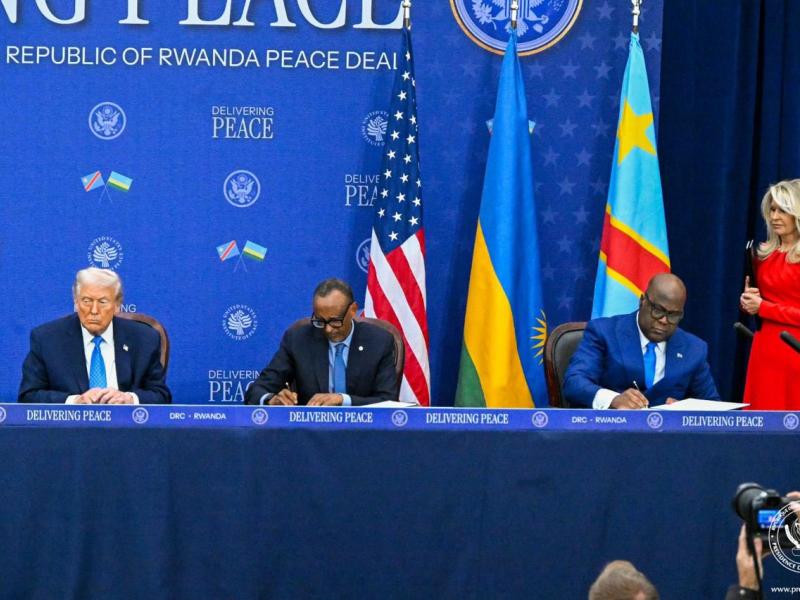
The agreements reached in Washington, Doha, and Montreux initially sparked optimism. However, a recent report by the United Nations Group of Experts has brought those hopes back down to earth, describing only “limited results”.
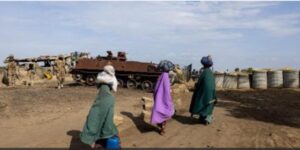
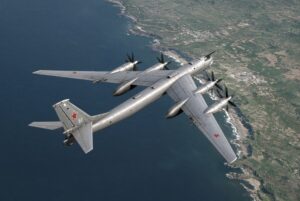
Withdrawals by the Rwandan Defence Force and the AFC/M23 amounted to little more than “tactical repositioning”, shifting forces by 15 to 20 kilometres. Meanwhile, Rwandan reinforcements—including anti-aircraft systems—continued to arrive until at least April 2026. No significant pullback was observed in the weeks that followed.
The Democratic Republic of Congo is not entirely blameless in this failure. The report notes that Kinshasa did not honour its commitment to neutralise the FDLR, which continued to fight alongside the Congolese army, the FARDC.
Internal rifts within the AFC/M23 are also highlighted. While Corneille Nangaa and Joseph Kabila harboured ambitions of seizing power in Kinshasa, the majority of the M23’s military commanders opposed any operations beyond North Kivu and South Kivu. This fracture between political aspirations and military realities undermines the movement’s coherence.