Mali ranks 136th globally in the latest 2024 Corruption Perceptions Index (CPI) released by Transparency International on February 12, 2025. With a low score of 28 out of 100, the nation continues to struggle against systemic corruption that stifles economic progress and weakens governance.
The report highlights a significant decline in the effectiveness of oversight bodies within Mali. It points to a lack of transparency in awarding public contracts and an ongoing opacity in the management of national finances, which fuels a widespread belief that corruption is deeply entrenched.
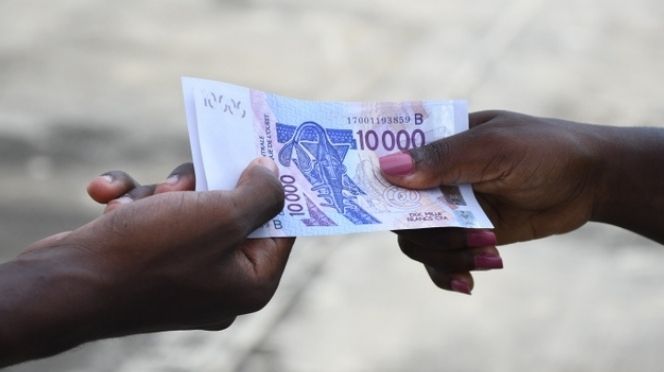
Public administration is identified as a major area of concern. Citizens often find that accessing basic services, including healthcare, education, and the justice system, is dependent on bribery or political favoritism. This environment fosters a growing distrust of the state and creates a sense of impunity for the ruling class. These findings are echoed in the domestic reports published by the Bureau of the Auditor General and the Central Office for the Fight Against Illegal Enrichment (OCLEI).
Mali’s situation reflects broader trends across West Africa, where many nations struggle with poor governance and financial secrecy. For instance, Nigeria, the region’s largest economy, scored only 25 out of 100, largely due to the massive embezzlement of public funds in the oil industry. Burkina Faso, currently in a period of transition, earned a score of 30, remaining well below the critical threshold of 50 that separates corrupt administrations from those showing integrity. Conversely, Ghana remains a regional leader in transparency with a score of 43, despite a minor dip in its performance.
Sub-Saharan Africa: A region under pressure
With an average regional score of 32, Sub-Saharan Africa is still one of the most corruption-prone areas in the world. More than two-thirds of the countries in the region scored below 50, indicating a widespread failure to implement effective anti-corruption measures.
Transparency International has specifically raised alarms regarding the potential for climate fund misappropriation. As African nations prepare to receive international aid to combat climate change, the lack of oversight could prevent these vital resources from reaching the most vulnerable populations. The most severe cases in the region include Somalia (11), South Sudan (13), and the Central African Republic (19), where long-term instability has led to a total collapse of public institutions.
Global leaders in integrity
On the global stage, Nordic countries continue to set the standard for transparency. Denmark holds the top spot as the world’s least corrupt nation with a score of 90, followed closely by Finland at 88 and Norway at 87. Other nations like Germany (79) and Canada (75) also maintain strong reputations for public integrity despite facing their own internal challenges.
The world’s most corrupt nations
At the bottom of the 2024 rankings are states suffering from deep-seated crises and institutional breakdown. The five lowest-scoring countries are:
- Somalia (11)
- South Sudan (13)
- Syria (14)
- Venezuela (14)
- Yemen (16)
These nations are characterized by civil war, failed governance, and a total lack of accountability for corrupt officials.
The 2024 report serves as a call to action for Mali to strengthen its legal frameworks, ensure the independence of its judiciary, and provide better protection for whistleblowers. Without these essential reforms, corruption will continue to undermine the state, stall development, and alienate the population. Transparency International emphasizes that a unified national and international effort is required to tackle this issue and secure the country’s political and economic future.