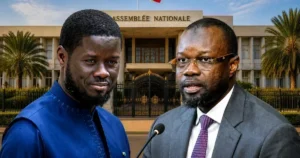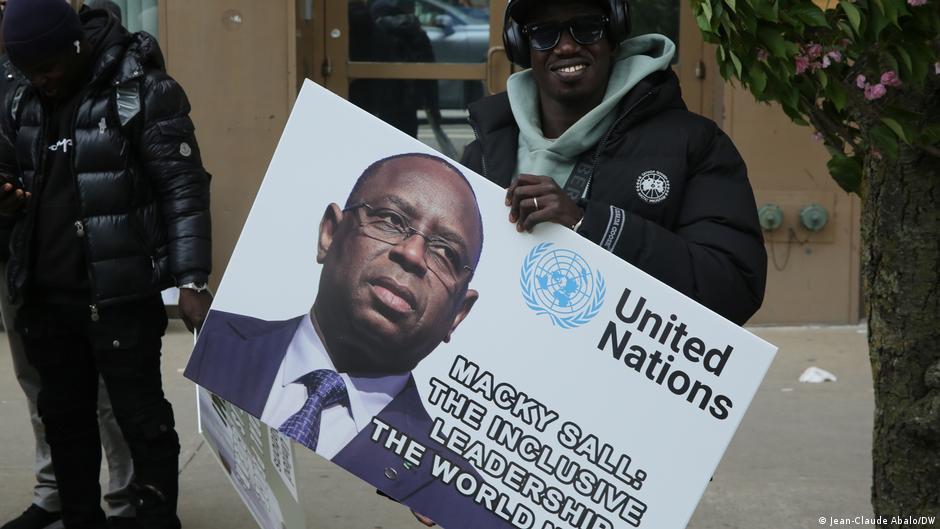
In Senegal, the planned meeting between President Bassirou Diomaye Faye and his predecessor Macky Sall—expected in Dakar to secure Senegal’s backing for Sall’s United Nations secretary-general candidacy—has ignited a heated debate.
Reopening old wounds
For families of victims from the 2021-2024 crackdowns, Sall’s return to Senegal dredges up painful memories. Seydi Gassama, who supports 67 presumed victims in their legal proceedings, argues the encounter sends the wrong message.
“What shocks us isn’t Macky Sall’s return to Senegal—he’s a citizen with the right to visit,” explains the director of Amnesty International Senegal. What’s unacceptable is that President Diomaye Faye, despite his promises, has taken no action to deliver justice for victims of Sall’s regime. No accountability, no reparations—yet now he welcomes Sall to back his UN bid. That’s a betrayal of every family still waiting for closure.”
Broken promises on justice
During his campaign, Diomaye Faye vowed to prioritize victim justice. Two years into his term, no trials have begun and compensation remains minimal—a frustration shared by victims’ groups.
Human rights advocates also condemn the lack of progress. Gassama insists Sall’s UN bid is incompatible with his legacy of repression.
APR’s defense of the meeting
Leaders of the Alliance for the Republic (APR), Sall’s former party, dismiss criticism as exaggerated.
Political analyst Assane Samb suggests the meeting could reshape Senegal’s political landscape—especially as Diomaye Faye distances himself from his original party, Pastef.
“By meeting Sall, Diomaye may be laying groundwork for a strategic alliance with traditional opposition parties,” Samb notes. This could create a united front against Pastef’s still-significant influence.”
Pastef remains silent
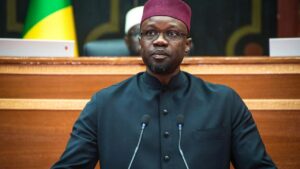
Neither Senegal’s presidency nor Pastef—led by Ousmane Sonko—has publicly addressed Sall’s planned visit.
This would mark Sall’s first return to Senegal since leaving office in April 2024. His UN candidacy, unusually backed by Burundi (current AU chair) rather than Senegal, was rejected by over 20 AU members—including Senegal—in late March.