China: The dominant supplier
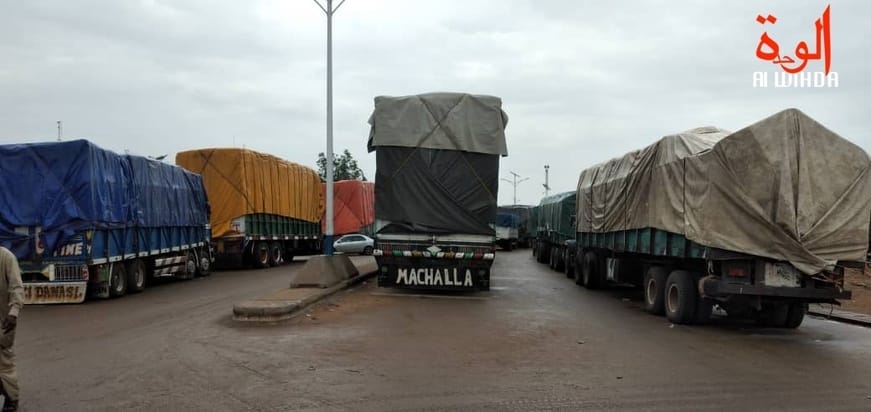
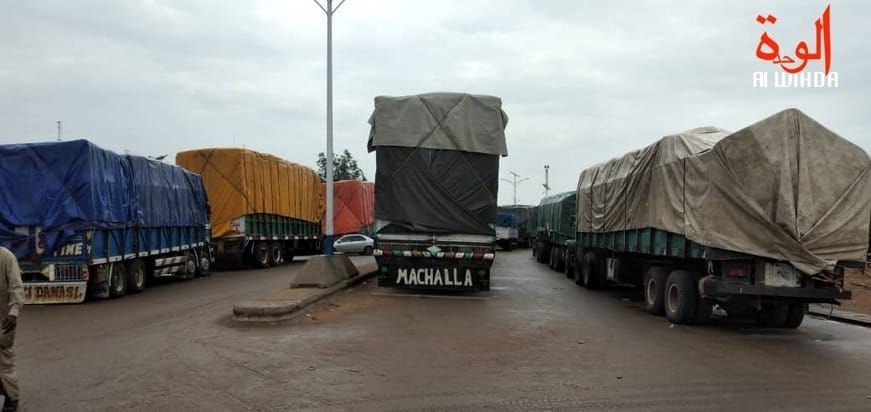
With 306.5 billion FCFA worth of goods delivered to Chad in 2025, representing 30.7% of all incoming trade, China has established a commanding position that remains unchallenged by other partners. The nearest competitor, Cameroun, lags significantly behind with 108.4 billion FCFA, while Libye holds the third spot with 85.8 billion FCFA (8.6%).
The nature of Chinese exports to Chad highlights a strategic industrial relationship, consisting primarily of manufactured products, industrial machinery, and essential consumer goods. This classic economic exchange, where the African nation imports finished industrial output in return for raw resources, is a pattern that Beijing has successfully implemented across the continent over the last twenty years.
The United Arab Emirates as an export gateway
The landscape for exports tells a different story. The United Arab Emirates has become the leading buyer of Chadian products, purchasing 333.3 billion FCFA, which accounts for 26.2% of the country’s total exports. This puts them ahead of Malaisie (297.8 billion FCFA, 23.4%) and Allemagne (279.9 billion FCFA, 22%).
The role played by the Emirates is less about domestic consumption and more about acting as a global logistics hub. Cities like Dubai and Abu Dhabi serve as critical transit points where Chadian crude oil is processed or blended before being shipped to various international markets. While this intermediary role is profitable for the Emirates and functional for Chad, it often means that N’Djamena does not have full visibility on the final destination of its natural resources.
- 30.7% of imports originate from China, setting a regional benchmark.
- 26.2% of exports are absorbed by the United Arab Emirates.
- 79.8% of imports are concentrated among the top ten trading partners.
France and the United States lose ground
Despite deep historical ties, France now accounts for only 5.1% of imports (50.9 billion FCFA), ranking sixth. The United States follows closely in fifth place with 53.0 billion FCFA (5.3%). These figures reflect a clear shift in Chad’s commercial alliances toward Asia, the Middle East, and emerging economies, moving away from traditional Western powers.
The remaining import market is shared among diverse partners including Inde (4.3%), Togo (3.6%), Brésil (2.9%), and Turquie (2.3%), showing that while Chad is diversifying its sources, it remains heavily reliant on China for the bulk of its needs.
Addressing trade dependencies
The strategic takeaway from recent data is evident: Chad’s export market is exceptionally narrow, with the top ten buyers taking 98.9% of all outbound goods. While the supply side is slightly more varied, it is still heavily dominated by Beijing. This high level of concentration leaves the national economy vulnerable to global shifts, suggesting that a more robust policy of trade diversification is necessary to protect against external shocks.