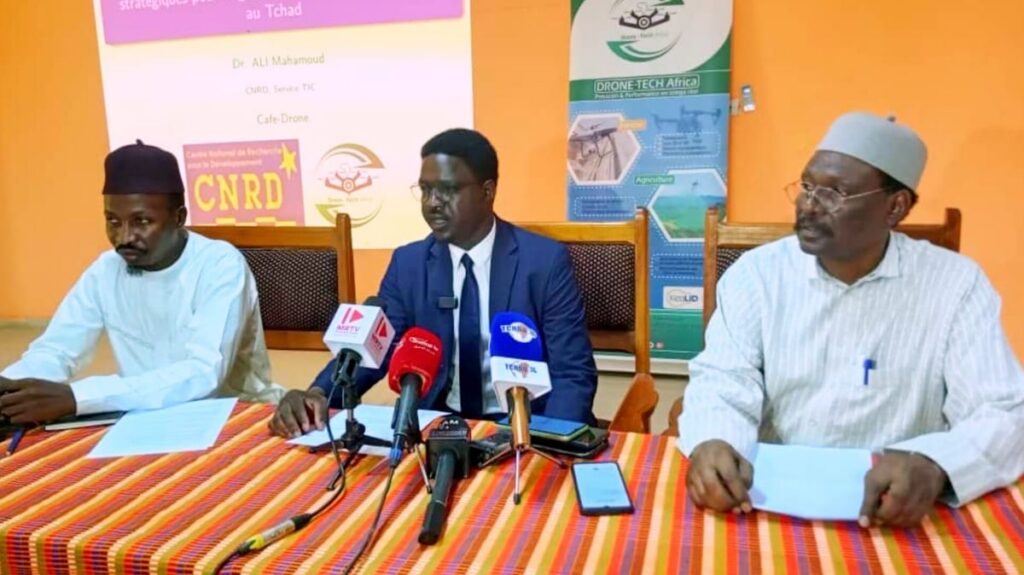
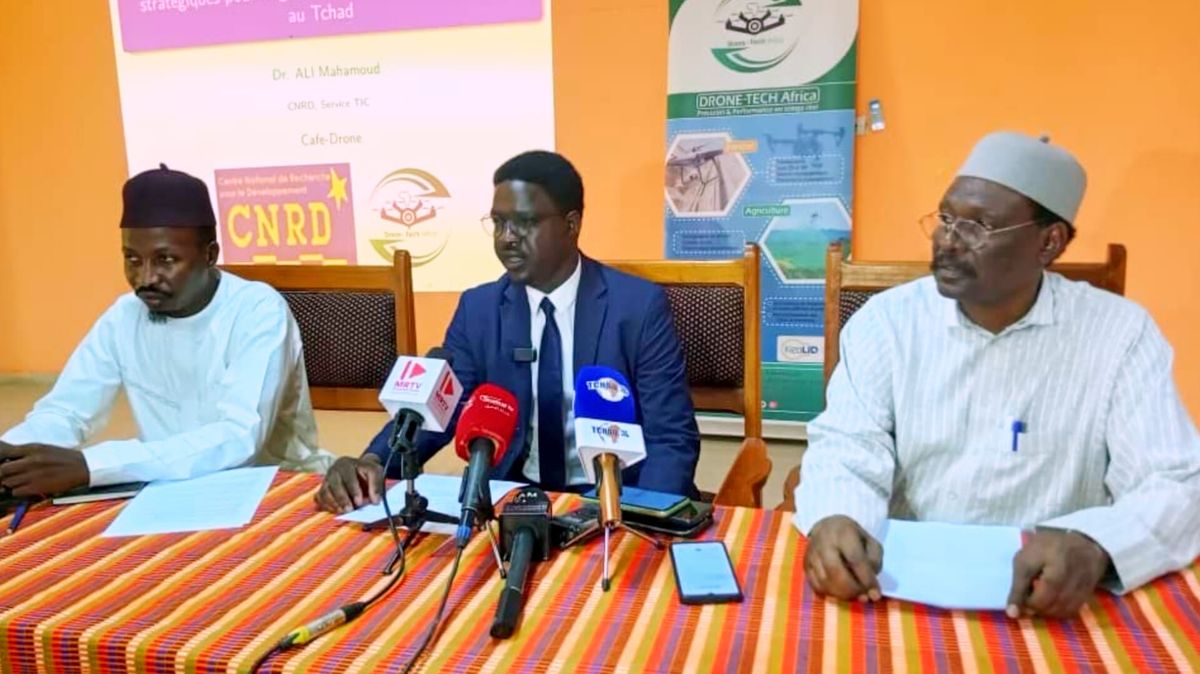
On 25 June 2026, N’Djamena witnessed the inaugural edition of Café Drone, a landmark event focused on the opportunities presented by civilian drones. Organised by Drone Tech Africa, Tchad FlyingLabs and WeRobotics in partnership with the National Centre for Research for Development (CNRD), the gathering took place at CNRD headquarters under the theme “Opportunities related to civil drones”.
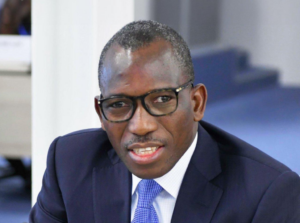
The event aimed to showcase the potential of drones across sectors vital to Chad: agriculture, livestock farming, and the management of parks and natural reserves. The director general of CNRD, Professor Mahamoud Youssouf Khayal, opened the proceedings by stressing that unmanned aerial technologies are no longer a futuristic concept but a present-day reality. “Chad’s vast territory, its logistical challenges, its need for geospatial data and rapid crisis response make drones an exceptionally relevant solution,” he said.
Professor Khayal also outlined hurdles that must be overcome for the country to fully benefit: a regulatory framework that balances safety and innovation, training programmes to prepare youth for emerging professions, and integration across institutions, private operators and researchers. He thanked partners—Drone Tech Africa, Tchad FlyingLabs and WeRobotics—for their commitment and acknowledged the presence of experts who have turned these technologies into operational tools.
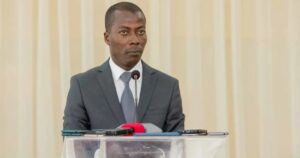
Mahamat Issa Abakar, director of Drone Tech Africa, presented research outcomes from Burkina Faso and from agricultural studies in Chad’s Guéra province, specifically in Mongo, Baro and Tabo. Using drone footage of a women-led farming project, the team examined how these farmers practice agriculture under resilience constraints. The goal: to determine whether drone use could boost agricultural yields by 30 percent.
Ali Mahamoud, head of department at CNRD, discussed the role of artificial intelligence in research and, crucially, the contribution of drones to preventing conflicts between farmers and herders—conflicts often exacerbated by drought, water scarcity and climate change. He highlighted drone applications for wildlife surveillance in Zakouma National Park, monitoring transhumance corridors, mineral prospecting and gold exploration, stressing the value of drones for collecting statistical data.
Dr Djimassal, a research fellow, clarified how satellites capture images from space to show vegetation, rivers, open forests, settlements, shrubby and grassy savannahs, pasture zones and thickets, especially in northern areas. He provided detailed interpretations of imagery depicting various resources, lakes and natural forests.
Following these presentations, a panel discussion allowed participants to exchange views on the importance of using drones across multiple domains.