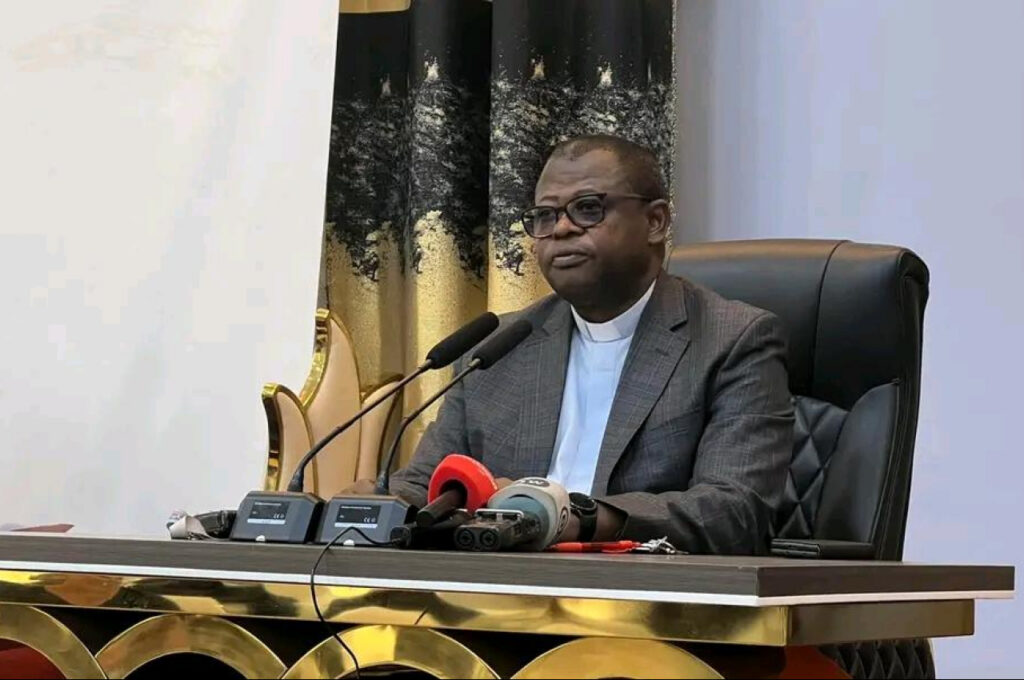
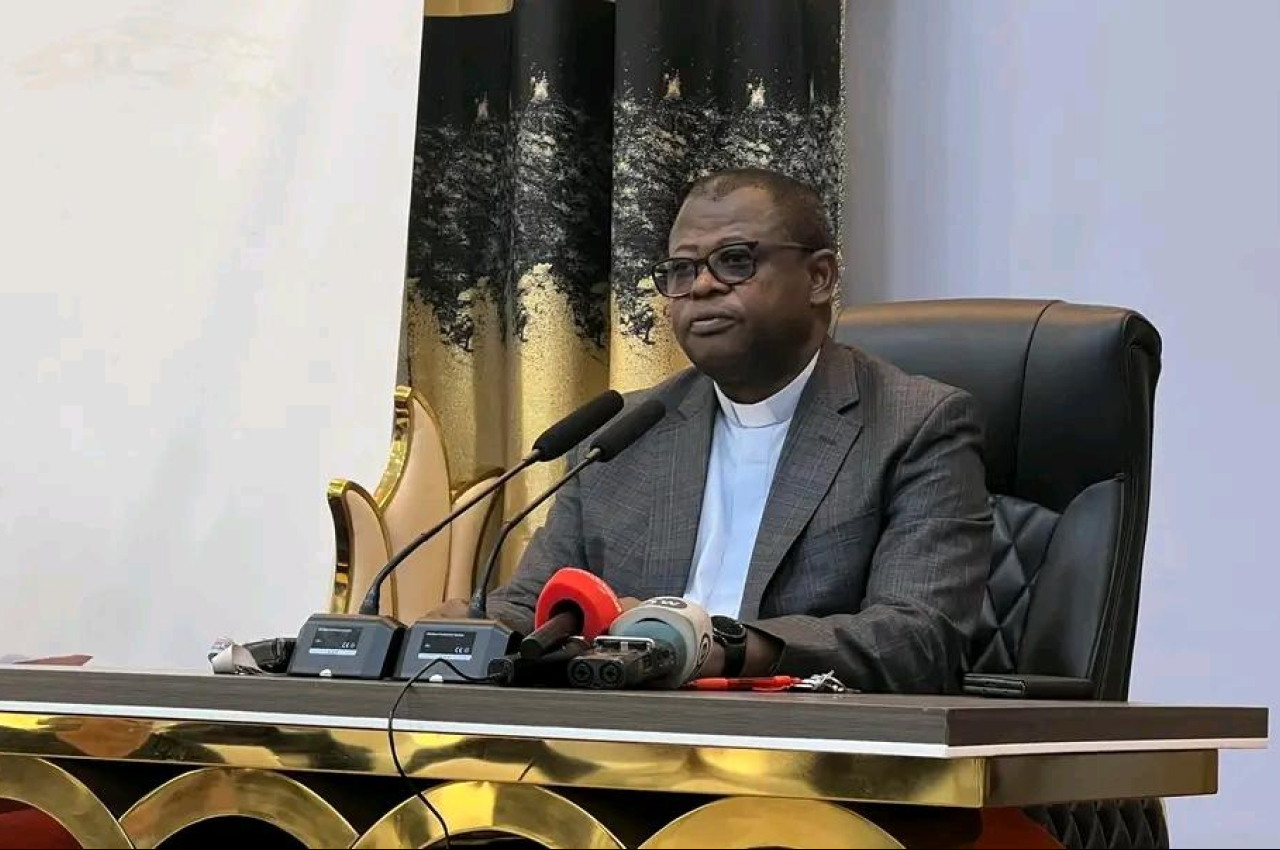
The movement resisting the proposed revision of the Constitution in the République démocratique du Congo (RDC) has just received a significant boost. The Conférence épiscopale nationale de la République démocratique du Congo (CENCO) has explicitly condemned the project, which is widely perceived as a strategy to allow President Félix Tshisekedi to pursue a third term, bypassing the current constitutional limit of two mandates. The Church warns that such a political maneuver poses a direct threat to the stability of the nation.
The presidency at a crossroads
Religious leaders emphasize that any attempt to force through these changes carries immense risks, including the potential fragmentation or balkanization of the country. Highlighting the current state of national distress, the clergy has called on the Congolese people to take charge of their own future to prevent it from being permanently compromised. Furthermore, CENCO has formally reminded President Félix Tshisekedi of his solemn pledge to uphold and protect the existing constitutional framework.
Whether this appeal will lead to a change of heart remains to be seen. However, the administration is unlikely to welcome this intervention, particularly as it follows the parliament’s recent approval of a referendum law. This legislative milestone suggests the government is determined to proceed with the constitutional vote. Is the Church speaking to a leadership that refuses to listen, or will Félix Tshisekedi allow himself to be guided by a sense of national duty?
Risks of national instability
While the bishops maintain they are not officially joining the political opposition, their firm stance provides significant momentum to those fighting the amendment. The head of state would be unwise to ignore this growing dissent. Opening multiple political fronts simultaneously could severely weaken his administration and lead to unpredictable consequences. As advocates for peace, the clergy cannot remain silent on a project that polarizes the population and risks igniting social conflict.
The President now finds himself in a complicated position. Beyond the opposition’s street protests and “ghost town” operations—which have already faced violent crackdowns—the CENCO is now preparing its followers for future actions. This shift in the civil society landscape complicates the path for the proposed referendum.
A historical precedent
It is ironic that Félix Tshisekedi now faces the same institution that once supported the democratic struggle during his time in the opposition. It was the Catholic Church that played a pivotal role in 2017, forcing his predecessor, Joseph Kabila, to abandon plans to extend his stay in power. The current president would do well to remember that history and consider his legacy carefully.
In a country already ravaged by conflict in the East and the persistent threat of Ebola, the Congolese people are already suffering enough. Adding a political crisis to these existing tragedies could be the breaking point. For the sake of the nation, a moment of deep reflection is required at the highest levels of power.