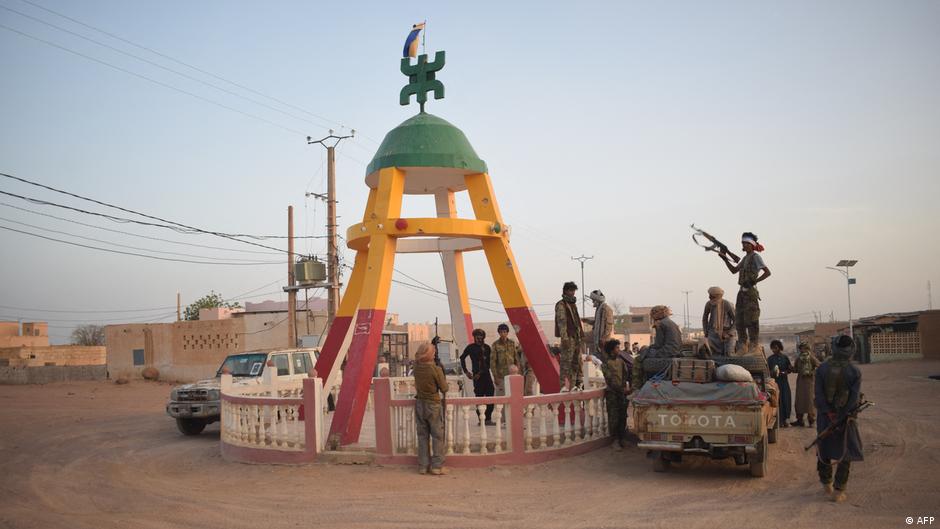
Recent coordinated attacks across Mali’s key cities—Bamako, Kati, Kidal, Gao, Sévaré, and Mopti—have intensified pressure on the transitional authorities. The Front de Libération de l’Azawad (FLA) and the Group for the Support of Islam and Muslims (JNIM) jointly claimed responsibility for the assaults, exposing persistent vulnerabilities in the country’s security framework.
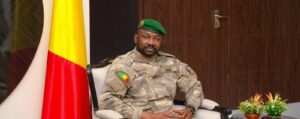
The military leadership, under General Assimi Goïta, re-emerged publicly following three days of silence, appearing alongside the Russian ambassador to Mali. During the meeting, Goïta commended the “robust collaboration with the Russian Federation”, highlighting ongoing security partnerships amid shifting geopolitical alliances.
However, behind the scenes, Africa Corps mercenaries have begun negotiating their withdrawal from Kidal, a strategic city now under FLA control. Rebel factions have made their exit a non-negotiable condition for any future dialogue, escalating tensions over sovereignty and foreign military presence.
Mali paid tribute last week to General Sadio Camara, the slain Defense Minister, killed in a jihadist raid on his residence. The assassination underscores the persistent threat posed by armed groups despite counterterrorism efforts.
As the nation grapples with these challenges, a critical question arises: Can political solutions untangle the crisis gripping Mali? This pressing issue was the focal point of a high-level discussion moderated by journalist Éric Topona, featuring a panel of influential voices:
- Étienne Fakaba Sissoko, economist and spokesperson for the Coalition des forces pour la République (CFR), offered insights from his research on governance in post-coup regimes, including his book L’État et le mensonge au Sahel.
- Tiambel Guimayara, editor-in-chief of LaVoix du Mali, provided a local perspective on the crisis’s impact on civil society and public morale.
- Frederic Samy Passalet, a political analyst and author of Les marionnettes de Poutine en Afrique, analyzed external influences shaping Mali’s political landscape.
- Teehl Loé Konaté, a panafricanist analyst and secretary-general of Deux heures pour Kamita, examined regional dynamics and historical precedents for resolving conflicts.
The debate explored whether diplomatic engagement, regional cooperation, or internal reforms could pave the way for stability—or whether the cycle of violence will persist. The conversation highlighted the urgency of finding a sustainable path forward for a nation at a crossroads.