Senegal’s 2029 presidential race: new electoral law clears path for Sonko
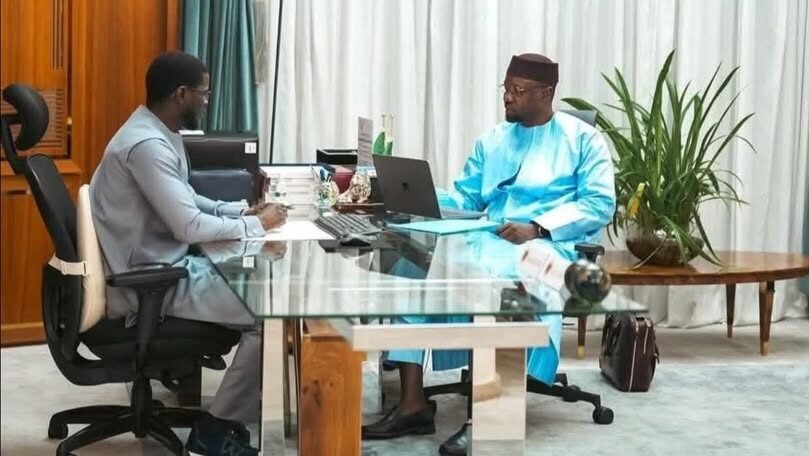
In a move that has sent ripples through Senegal’s political landscape, President Bassirou Diomaye Faye has signed into law a controversial electoral reform bill. The legislation, which has drawn both praise and criticism, appears designed to pave the way for Prime Minister Ousmane Sonko’s potential candidacy in the 2029 presidential election.
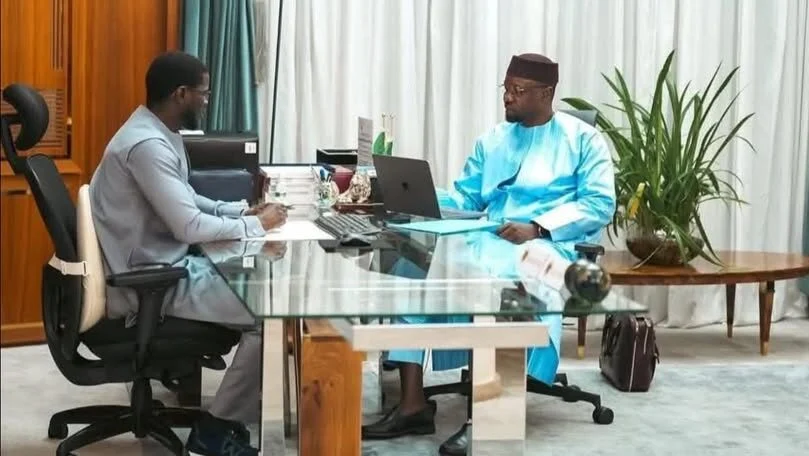
Confirmed through an official presidential decree issued over the weekend, the new law introduces sweeping changes to the electoral code. Among its most significant provisions is a redefinition of civic rights restoration timelines, particularly those related to ineligibility due to criminal convictions. The reform limits the duration of civic rights suspension to a maximum of five years following the completion of a sentence, a provision that could directly impact Sonko’s political future.
Ousmane Sonko’s eligibility has been a subject of intense debate since his 2023 conviction for defamation, which resulted in a six-month suspended prison sentence and financial penalties. The ruling, confirmed by the Supreme Court in early 2024, temporarily barred him from running in the March 2024 presidential election. At the time, Sonko had endorsed his close ally Bassirou Diomaye Faye as the Pastef party’s substitute candidate, who went on to win the presidency.
Internal party tensions rise
The electoral reform’s passage has exposed deep divisions within the ruling Pastef party. While some party members view the changes as a necessary modernization of electoral laws, others accuse President Faye of manipulating the process to serve his own political ambitions. The legislation, which had initially sailed through parliament on April 28, was sent back for reconsideration after the president cited “technical irregularities” in the original draft.
Following a second round of voting on May 9, the bill passed once more before receiving the president’s signature. The contentious reform not only addresses civic rights restoration but also introduces measures to harmonize and streamline electoral procedures across the country. The retroactive application of certain provisions, particularly regarding Sonko’s eligibility, has become one of the most hotly debated aspects of the new law.
What’s next for Senegal’s political landscape?
With Sonko currently serving as Prime Minister—a position he assumed after being elected to parliament in November 2024—the political dynamics in Senegal are shifting rapidly. The new electoral law’s potential to restore his eligibility has intensified speculation about his future ambitions. As the 2029 presidential race heats up, the relationship between President Faye and his former mentor continues to evolve, with both leaders navigating a delicate balance between party unity and individual political strategies.
The coming months will reveal whether this electoral reform truly opens the door to Sonko’s presidential ambitions or merely deepens the rifts within Senegal’s ruling party.