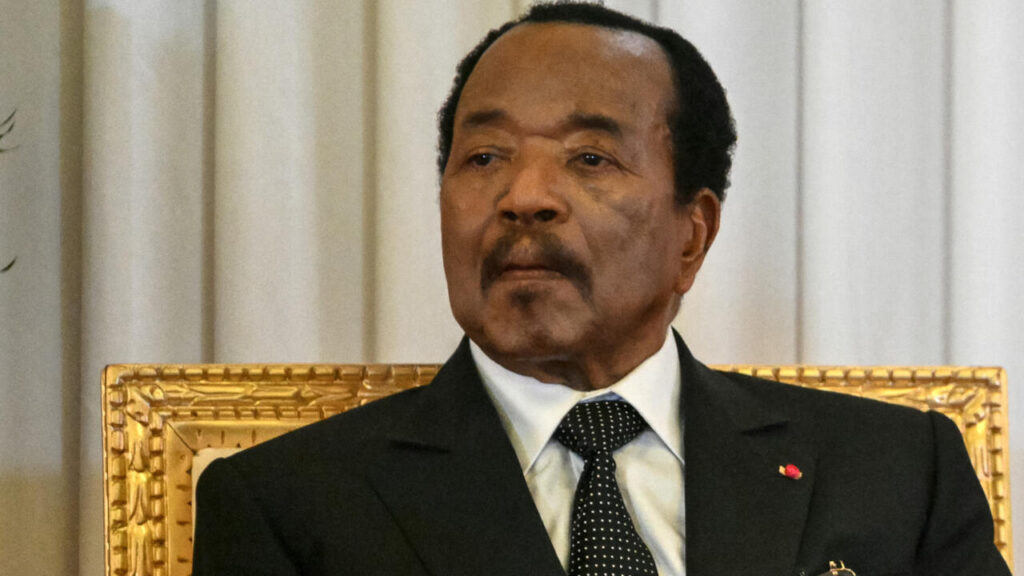
Where is President Paul Biya? At 93 years old, with 44 years in power, Cameroon is facing its most prolonged presidential absence—58 days and counting. The head of state left on June 7 for what was described as a brief private stay in Europe, yet he has not been seen in public since. The silence from Yaoundé has sparked widespread speculation, prompting his Communications Minister, René Sadi, to issue a rare statement: “The President is alive… There is no power vacuum,” while offering no firm return date. What does this prolonged absence mean for Cameroon’s political landscape?
An unprecedented silence raises concerns
Paul Biya, one of Africa’s longest-serving leaders, has never before faced such an extended period out of the public eye. His last known public appearance was on April 15, 2026, during a papal visit to the presidential palace in Yaoundé. Since then, no official engagements, speeches, or visible activities have been reported. The lack of transparency has fueled rumors and deepened uncertainty about the country’s leadership stability.
Minister’s reassurance meets public skepticism
René Sadi’s statement did little to quell concerns. While he confirmed Biya’s well-being and dismissed rumors of a power vacuum, he provided no concrete details about the president’s current whereabouts or health status. The vagueness of “very soon” for a return only added to the growing unease among citizens, political analysts, and international observers. Questions linger: Is the absence purely medical, or are there deeper political maneuvers at play?
For a nation accustomed to Biya’s firm control, his prolonged disappearance—even if temporary—challenges perceptions of continuity and governance. The absence of clear communication from the presidency has left many questioning whether Cameroon is witnessing a deliberate strategy or an unplanned leadership gap.
The succession question looms large
With Biya’s age and extended absence, the issue of succession naturally arises. Cameroon’s political structure has long revolved around the president’s authority, making any prolonged absence a potential trigger for internal power struggles. Opposition figures and civil society groups have begun voicing concerns over the lack of institutional transparency. How will the country navigate this period of uncertainty if the president’s absence extends further?
The situation underscores the fragility of a system deeply tied to one individual’s leadership. While Sadi insists there is no vacuum, the absence of visible governance raises practical questions: Who is making decisions in Biya’s stead? What safeguards are in place to ensure stability?
What’s next for Cameroon?
The coming days will be critical. Will Biya return to reassure the nation, or will the silence deepen the crisis of confidence? For a country already grappling with security challenges and economic pressures, the uncertainty surrounding its leader only compounds existing tensions. The international community, too, watches closely, as Cameroon’s stability remains vital to regional security.
One thing is certain: Cameroon cannot afford prolonged ambiguity. The nation’s future hinges on clarity—whether through a swift return of its president or a transparent explanation of his absence and the mechanisms managing the country in his stead.